Vieques Bioluminescent Bay in 2026: How to Plan a Safe Night Kayak Trip
Seeing a bioluminescent bay at night sounds simple: get in a kayak, paddle into dark water, and watch it glow. In reality, the quality of the experience depends on moonlight, weather, water conditions, transport, tour timing, and how responsibly the bay is managed. Vieques, Puerto Rico, is one of the best-known places in the world for this kind of night experience, especially Mosquito Bay.
In 2026, nature-based and water experiences continue to attract travelers who want something more memorable than passive sightseeing. A bioluminescent kayak trip fits that trend, but it should be planned carefully. This guide explains when to go, how to choose a tour, what to pack, how to reach Vieques, and how to protect the ecosystem while still enjoying the glow.
For current Puerto Rico travel information, use Discover Puerto Rico. For local conservation and access information, also check official Vieques and tour-operator guidance before your visit.
What Makes Mosquito Bay Special?
Bioluminescence happens when microscopic organisms in the water produce light after movement. In Mosquito Bay, paddles, hands, and fish can create brief blue-green flashes in dark conditions.
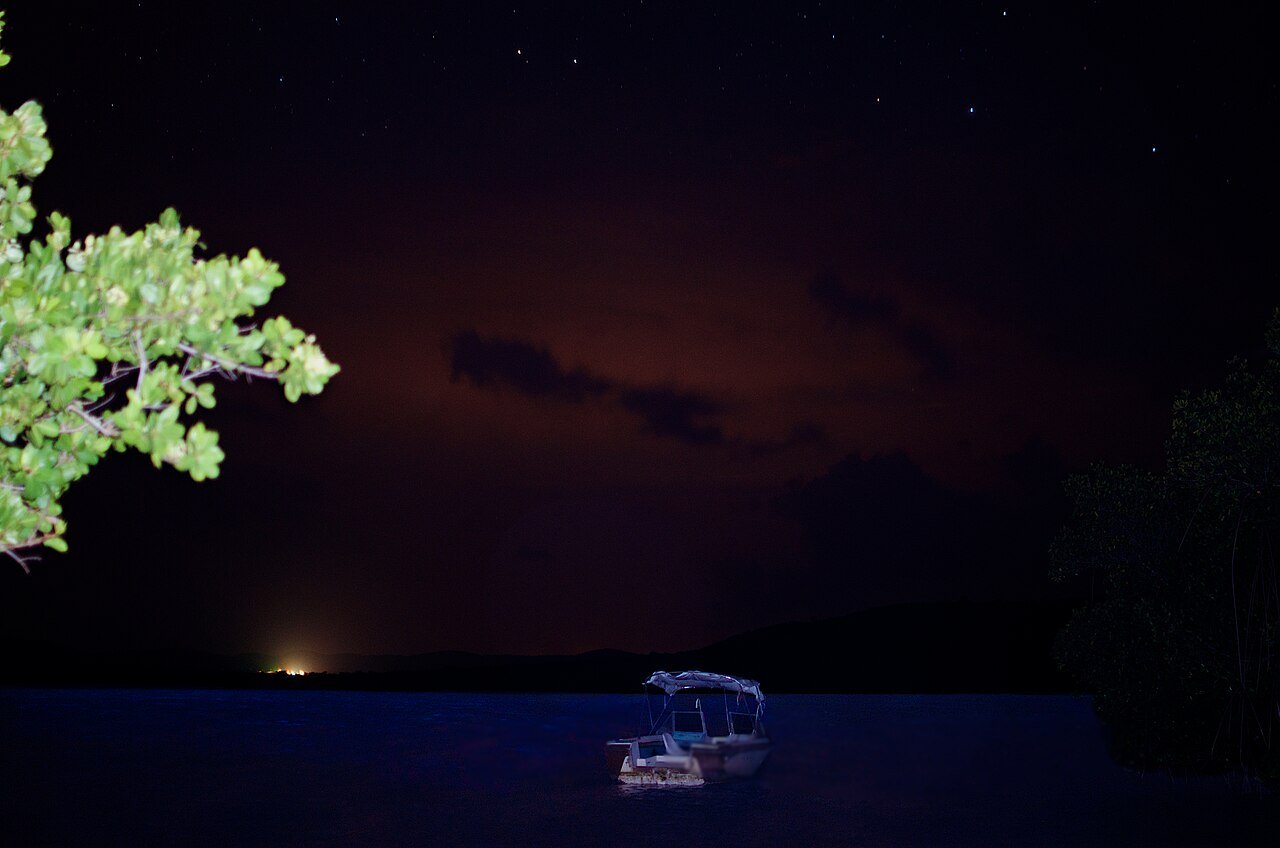
The effect is natural, so it cannot be guaranteed with the exact brightness you may see in edited photos or long-exposure images. Water conditions, moonlight, recent rain, wind, and environmental changes all affect what you see.
Set Realistic Expectations
Do not arrive expecting the bay to look like neon paint under normal vision. The best nights can be remarkable, but cameras often exaggerate brightness through long exposures or editing.
When Is the Best Time to Visit?
The most important factor is darkness. A bright full moon can reduce how clearly you see the glow, while darker moon phases usually improve contrast.
Check the Moon Phase Before Booking
Look at the lunar calendar for your travel dates. New-moon periods are often preferred. That does not mean you must cancel a trip because the moon is visible, but darker conditions can improve the experience.
Weather Matters Too
Cloud cover can reduce moonlight, but heavy rain, wind, or storms may affect safety and tour operations. Always follow the operator’s decision if a tour is delayed or canceled.
How Many Nights Should You Stay in Vieques?
Do not plan the kayak tour on the same evening as a tight arrival connection if you can avoid it. Ferries and flights can be delayed, and you may need time to reach your accommodation and meeting point.
Best Practical Plan
Stay at least two nights. Use the first night for the bioluminescent tour and keep the second as a backup in case weather forces a change.
If the tour runs as planned, the extra day lets you explore beaches, local food, and the island at a slower pace.
How to Get to Vieques
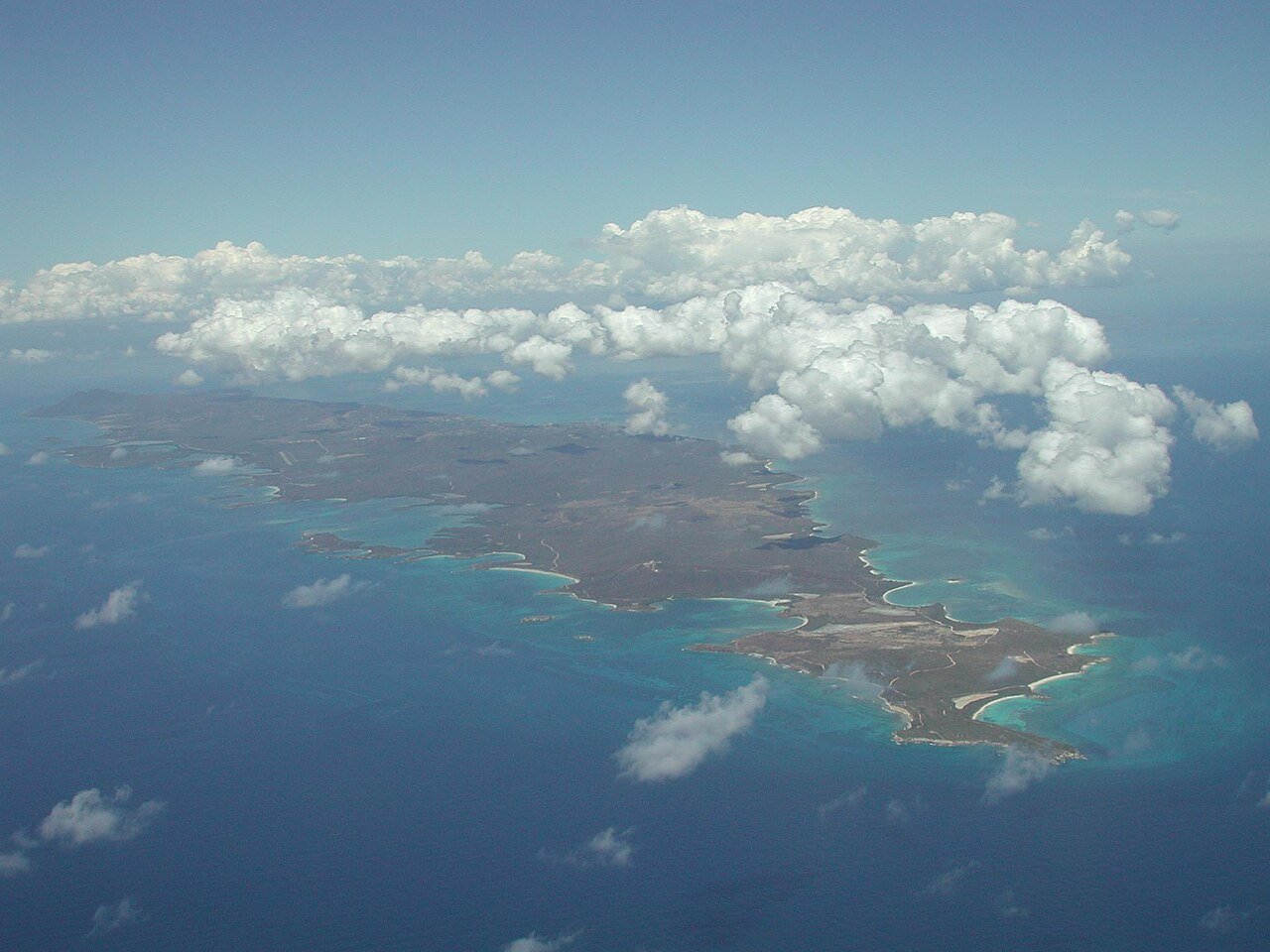
Vieques is an island off Puerto Rico’s east coast. Travelers commonly arrive by ferry or small plane.
Ferry
Ferry travel can be more affordable, but you should check current schedules, ticket rules, baggage policies, and transport to the terminal.
Flight
Small regional flights can save time and may connect from San Juan-area airports. They usually cost more, and baggage rules may be stricter than on major airlines.
Do Not Build a Zero-Buffer Connection
If your international flight arrives in Puerto Rico in the afternoon, do not assume you can comfortably reach Vieques and make an evening kayak tour. Delays in baggage, road traffic, ferry schedules, or local transport can ruin the plan.
How to Choose a Bioluminescent Bay Tour
Most visitors should join a licensed guided tour rather than trying to access the bay independently. The area is dark, environmentally sensitive, and unfamiliar to first-time visitors.
Look for These Signs
- Clear meeting and transport instructions
- Small or well-managed group sizes
- Safety briefing before launch
- Life jackets included
- Transparent cancellation policy
- Responsible environmental rules
- Guides who explain the ecosystem
A good operator should care about the bay, not only about getting guests on the water quickly.
Clear Kayak or Standard Kayak?
Some operators use transparent or clear-bottom kayaks so you can see flashes beneath you. Others use regular kayaks.
Clear Kayak Advantages
- Better view below the boat
- More dramatic visual experience on good nights
- Useful for first-time visitors
Possible Trade-Offs
- Can feel less comfortable depending on design
- May cost more
- Scratches or water conditions can reduce clarity
The operator, guide quality, and timing matter more than the boat material alone.
What the Tour Usually Feels Like
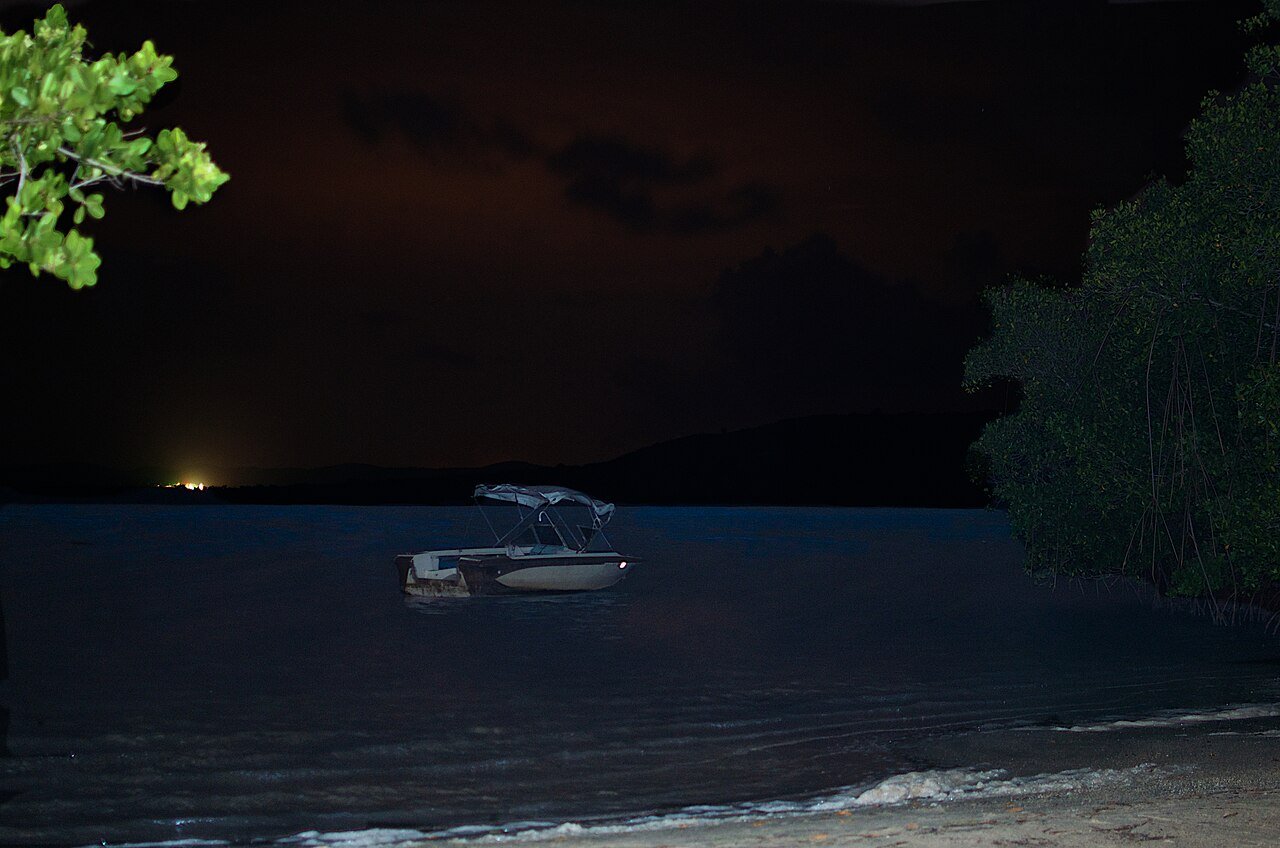
You will normally meet at a designated point after dark or near sunset. Some tours include transport to the launch area. After a safety briefing, the group enters kayaks and paddles into the bay.
As the water gets darker, movement can create flashes around the paddle and hull. Guides may explain the organisms, local ecology, and conservation rules.
Is It Physically Difficult?
Most tours are designed for normal travelers rather than athletes. Still, you need basic mobility and the ability to sit in a kayak. Wind can make paddling harder.
If you have limited mobility, back problems, or other concerns, ask the operator about boarding conditions before booking.
What to Wear
Dress for getting slightly wet even if the tour description says you should stay dry.
- Quick-dry shorts or lightweight pants
- Comfortable shirt
- Water shoes or secure sandals if recommended
- Light rain layer when needed
- Minimal jewelry
Avoid bringing valuables that you do not need.
What to Pack
Bring
- Small amount of water if allowed
- Phone in a waterproof case
- Any required medication
- Booking confirmation
- Light layer for after the tour
Leave at the Hotel
- Large bags
- Expensive camera gear unless specifically planned
- Loose electronics
- Unnecessary documents
Why You Should Be Careful With Insect Repellent and Lotions
Environmental rules may restrict products that can enter the water. Some operators provide specific guidance about insect repellent, sunscreen, perfumes, or lotions.
Follow the tour company’s instructions. The bay is a sensitive ecosystem, and what you put on your skin can matter.
Can You Swim in the Bay?
Do not assume swimming is allowed. Conservation rules can change, and protecting the water quality is important.
Follow the operator and local regulations. If swimming is prohibited, do not pressure guides or ignore the rule for a photo.
Photography: What Actually Works?
Bioluminescence is difficult to photograph with a normal phone. The glow may be visible to your eyes but weak on camera.
Phone Tips
- Do not use flash.
- Keep the phone secure with a waterproof strap or case.
- Use night mode only if you can hold the phone steady.
- Do not spend the whole tour looking at the screen.
Camera Tips
Low-light photography may require high ISO, wide aperture, and longer exposure. A moving kayak makes this difficult.
If photography is your main goal, look for an operator that clearly allows and supports camera use. Otherwise, treat photos as a bonus.
How to Enjoy the Experience Without Ruining It for Others
Darkness is part of the experience. Bright phone screens and flashlights can reduce everyone’s night vision.
Good Group Etiquette
- Keep screen brightness low.
- Do not use flash.
- Listen during the guide’s explanation.
- Avoid splashing other kayaks.
- Keep a safe distance between boats.
- Follow instructions quickly if weather changes.
Safety at Night
The bay is dark by design, so safety depends on guides, equipment, and group discipline.
Before Launching
- Wear the provided life jacket correctly.
- Tell the guide if you are not a confident swimmer.
- Ask how to recover if the kayak tips.
- Secure your phone.
- Know who your paddling partner is if using a tandem kayak.
During the Tour
Stay with the group. Do not paddle away to chase brighter water or a better photo.
What Happens if It Rains?
Light rain does not always cancel a tour. Strong wind, lightning, rough water, or unsafe access may.
Use the operator’s judgment. A canceled nature tour can be disappointing, but safety should come first.
Why a Backup Night Helps
If you stay two nights, you have another chance. This is one of the simplest ways to reduce travel stress.
Best Time of Night
The best departure depends on sunset, moonrise, moon phase, and operator schedule. Later is not automatically better.
A well-run tour at the right dark window is more important than chasing the latest available slot.
How to Pair the Tour With a Day in Vieques
Do not exhaust yourself before the night paddle.
A Balanced Day
- Morning: Beach or short island drive
- Lunch: Casual local meal
- Afternoon: Hotel rest
- Early evening: Light dinner
- Night: Bioluminescent bay tour
This schedule protects your energy and reduces the chance of arriving late.
Should You Eat Before the Tour?
Have a light meal, not a huge dinner. A heavy meal immediately before kayaking may feel uncomfortable.
Also check whether restaurants near your accommodation stay open late. You may not want to search for dinner after returning from the bay.
Transport on Vieques After Dark
Local transport options can be limited compared with San Juan. Confirm how you will get from your hotel to the tour meeting point and back.
Ask Your Accommodation
Hotels and guesthouses often know current taxi availability and tour pickup arrangements. Confirm this before sunset, not after the tour ends.
Where to Stay
Your best area depends on whether you prioritize beaches, restaurants, or easy tour pickup.
Choose Based on Logistics
Do not book the cheapest room without checking transport. A remote stay can be beautiful but inconvenient if you have no rental vehicle or reliable taxi access.
Ask the tour operator whether they collect from your area before finalizing accommodation.
Responsible Travel in a Bioluminescent Ecosystem
Follow Access Rules
Do not enter restricted areas independently.
Avoid Touching or Collecting Wildlife
The bay is not a place to take samples or souvenirs.
Do Not Dump Anything Into the Water
Food, drinks, chemicals, and trash can harm a sensitive environment.
Choose Operators That Educate Guests
A short explanation of the ecosystem is a good sign that the operator takes conservation seriously.
Can Children Join?
Age rules vary by operator. Some tours allow children above a minimum age; others have height, weight, or safety restrictions.
Ask whether the child must paddle, whether tandem kayaks are used, and what happens if the child becomes uncomfortable in darkness.
Is the Tour Good for Non-Swimmers?
Policies vary. Life jackets are standard on reputable tours, but you should tell the operator in advance if you cannot swim.
Do not hide a safety concern because you are worried about being refused. The operator can tell you whether the activity is appropriate.
Accessibility Considerations
Boarding a kayak can require balance, bending, and stepping into shallow or uneven water. Access routes may also be dark or rough.
If mobility is a concern, contact operators directly and ask specific questions about transfer assistance, seating, launch conditions, and alternative viewing options.
How Much Should You Budget?
Your total cost includes more than the kayak ticket. Add:
- Transport to Vieques
- Accommodation
- Local taxi or rental vehicle
- Tour ticket
- Meals
- Optional tips
A cheaper tour is not always the best value if it has poor transport arrangements or weak safety practices.
Common Mistakes
Booking on a Bright Moon Without Checking Conditions
The bay may still glow, but visibility can be reduced.
Arriving on Vieques the Same Evening
One transport delay can make you miss the tour.
Expecting Phone Photos to Match Your Eyes
Enjoy the experience first.
Ignoring Tour Pickup Logistics
Night transport is not the time to improvise.
Bringing Too Much Gear
Keep valuables and bulky bags at your accommodation.
Breaking Environmental Rules for a Photo
No image is worth damaging the bay or getting removed from the tour.
Sample Two-Night Vieques Plan
Day 1
Arrive before mid-afternoon. Check in, confirm tour transport, eat an early dinner, and join the bioluminescent bay tour.
Day 2
Sleep in, visit a beach, have lunch locally, explore at a relaxed pace, and keep the evening available as a weather backup.
Day 3
Depart without rushing into an early international connection.
Quick Pre-Booking Checklist
- Check moon phase.
- Check your arrival time in Vieques.
- Choose a reputable guided operator.
- Confirm pickup and return transport.
- Read age and mobility rules.
- Understand the weather cancellation policy.
- Pack light and secure electronics.
- Keep a second night as backup if possible.
Final Takeaway
A Vieques bioluminescent bay trip can be one of the most memorable things you do in Puerto Rico, but the best experience depends on planning more than luck. Choose a dark moon window when possible, stay at least two nights, use a reputable guided tour, and confirm night transport before you leave your accommodation.
Most importantly, treat Mosquito Bay as a living ecosystem rather than a light show. Follow conservation rules, keep your expectations realistic, and spend less time fighting your camera. When conditions are right, the simple act of moving a paddle through glowing water is enough.
Leave a Reply