Category: Things to Do

  • 25 Best Things to Do in Dubai in 2026: Free, Family, Culture and Desert Experiences

    Dubai is easy to overbook. The city has famous towers, huge malls, beaches, desert experiences, museums, markets, family attractions and a busy events calendar. If you try to fit every headline activity into three days, you can spend more time in taxis and queues than actually enjoying the trip.

    A better Dubai plan mixes one major paid attraction with lower-cost or free experiences each day. It also groups activities by area. The official Visit Dubai things-to-do guide currently organizes the city around attractions, culture, food, adventure, shopping and new experiences. Its 99 things to do in Dubai guide was updated in September 2026, which makes it a useful source for checking current ideas before you travel.

    This guide narrows the city down to 25 useful options and explains who each one suits, when to go, and how to combine them without exhausting yourself.

    1. See the Burj Khalifa, but Choose Your Time Carefully

    The Burj Khalifa is the obvious first-time attraction. The view can be memorable, but the experience depends heavily on timing, visibility and crowd levels.

    Sunset slots are popular because you can see the city in daylight and after dark. They can also cost more and feel busier. A daytime visit may offer better value if your main goal is the view rather than the sunset photo.

    Practical tip

    Check visibility before committing to a same-day ticket. Dust and haze can reduce long-distance views. If you are booking far ahead, accept that weather cannot be guaranteed.

    2. Walk Around Downtown Dubai After Dark

    Downtown becomes more comfortable for walking after the strongest daytime heat. You can combine the Burj Khalifa area with Dubai Mall, nearby promenades and dinner without adding another transfer.

    This is a good low-effort evening after a flight or desert trip. You do not need a paid attraction every hour.

    3. Explore Al Fahidi Historical Neighbourhood

    Dubai is often presented only as a futuristic city, but the Al Fahidi area gives you a different view. Narrow lanes, traditional architecture, galleries and cultural spaces make it useful for a slower morning.

    Visit before the middle of a hot day. Pair it with Dubai Creek and the old souks instead of returning to this side of the city later.

    Who will enjoy it most?

    Travelers interested in architecture, local history and photography will get more from Al Fahidi than someone focused only on thrill attractions.

    4. Cross Dubai Creek on an Abra

    An abra ride is one of the simplest ways to experience older Dubai. It is short, practical and far cheaper than many headline activities.

    Use it as transport between creek-side areas rather than treating it as a separate excursion. It fits naturally with Al Fahidi, textile shops, spice areas and Deira.

    5. Visit the Gold and Spice Souks With Realistic Expectations

    The souks are interesting for atmosphere and shopping, but they are commercial places. Expect active sellers and compare prices before buying.

    If you are shopping for gold, understand weight, purity and current market pricing. For spices, buy amounts you will actually use and check customs rules before taking food products home.

    Do not let pressure make the decision

    Walking away is normal. A good purchase should still feel good after you leave the shop.

    6. Spend a Morning at Jumeirah Beach

    Dubai’s beaches can be a welcome break from indoor attractions. Go early for cooler temperatures and a calmer start.

    Bring sun protection, water and footwear suitable for hot surfaces. Follow local signs and beach rules.

    7. Walk or Cycle at Kite Beach

    Kite Beach works well for travelers who prefer active time to lying on the sand all day. Walking, jogging, casual food and sea views make it easy to spend a few hours without committing to a large attraction.

    It is also a good family option because different people can do different things in the same area.

    8. Experience the Desert, but Compare Tour Formats

    A desert experience is one of Dubai’s most popular add-ons, but packages vary widely. Some focus on dune driving and entertainment. Others emphasize wildlife, conservation or a quieter sunset setting.

    Do not buy only from the cheapest headline price. Check transport, group size, activity length, meal details and what is actually included.

    Think about motion sickness

    Dune driving can be intense. If you are prone to motion sickness, ask about gentler options or tours that focus more on the desert landscape than aggressive driving.

    9. Choose a Sunrise Desert Experience for Cooler Conditions

    Sunrise tours can be useful in warmer months because temperatures are lower and the day feels less crowded. They also leave the afternoon free for rest or indoor attractions.

    The trade-off is an early pickup. If you arrive in Dubai late the previous night, do not schedule a 5 a.m. start just because the photos look good.

    10. Visit the Museum of the Future for Design and Technology

    The Museum of the Future is one of the city’s recognizable modern landmarks. It suits travelers interested in design, technology and immersive exhibitions more than traditional museum collections.

    Book ahead during busy periods. If you only want exterior photos, you can see the building without buying a ticket.

    11. Explore Dubai Frame for a City-Contrast View

    Dubai Frame offers a visual contrast between older and newer parts of the city. It can be a more manageable alternative for travelers who want an elevated view without building the whole day around Downtown.

    Combine it with Zabeel Park or another nearby stop to reduce transport time.

    12. Spend Time at Dubai Mall Without Treating It as Just Shopping

    Dubai Mall is enormous. It includes dining, entertainment and attractions as well as shops. If someone in your group dislikes shopping, plan a specific meeting point and activity rather than forcing everyone through the same stores.

    Use the mall strategically during the hottest part of the day.

    Set a time limit

    Large malls can consume a full day unintentionally. Decide what you actually want to do before entering.

    13. Visit an Aquarium Experience if It Fits Your Group

    Dubai offers major aquarium attractions that work well for families, hot-weather days and travelers who prefer indoor experiences.

    Compare ticket tiers. The most expensive package is not automatically necessary for every visitor.

    14. See Palm Jumeirah From a Viewpoint

    The Palm is difficult to appreciate from street level because of its scale. A high viewpoint makes the structure more understandable.

    If you are already staying or dining on the Palm, combine the activities. Avoid making two separate long trips to the same area.

    15. Walk Around Dubai Marina in the Evening

    Dubai Marina is best enjoyed when temperatures ease. The waterfront, high-rise skyline and restaurants make it a straightforward evening activity.

    You can spend little by walking and eating casually, or turn it into a premium dinner or cruise. Decide which version fits your budget before arriving.

    16. Try a Marina or Creek Cruise Only if the Timing Makes Sense

    A boat cruise can be relaxing, but quality varies. Compare route, boat size, meal quality and duration. A cheap dinner cruise with mediocre food may be worse value than a simple sightseeing cruise followed by dinner on land.

    Choose the view you want

    Creek cruises give a different feel from Marina cruises. Do not treat them as interchangeable.

    17. Visit Madinat Jumeirah for an Easy Evening Walk

    Madinat Jumeirah combines waterways, restaurants, shops and views in a polished setting. It is not the same as visiting an old traditional souk, but it can be a pleasant evening area.

    Go for the atmosphere and dinner rather than expecting a historic market experience.

    18. Explore Dubai’s Food Scene Beyond Hotel Buffets

    Dubai’s food scene reflects its international population. You can find Emirati, Indian, Pakistani, Iranian, Filipino, Levantine, African and many other cuisines.

    A practical way to eat well is to use one meal for a polished experience and another for a neighborhood restaurant.

    Try local and regional dishes intentionally

    Do not spend the whole trip eating only global chains that you already have at home. Use current reviews and local recommendations to find places that match your comfort and budget.

    19. Visit a Cultural Center or Guided Heritage Experience

    If you want more context about Emirati culture, a guided cultural program can be more useful than reading short signs between attractions.

    Look for experiences that clearly explain format, duration and whether a meal or discussion is included.

    20. Spend a Few Hours at a Water Park

    Water parks can be worth the cost for families and travelers who want a full activity day. They are less useful if you only have two days in the city and your priorities are culture and food.

    Plan around energy, not ticket price

    A large water park is tiring. Do not schedule a late-night desert tour afterward just because both fit on paper.

    21. Choose an Indoor Family Attraction for Peak Heat

    Dubai’s indoor entertainment is useful when outdoor conditions are uncomfortable. Family-focused indoor parks, play spaces and interactive attractions can turn the hottest afternoon into productive travel time.

    Use indoor activities between roughly the more comfortable morning and evening periods rather than fighting the climate.

    22. Check the Official Events Calendar

    Dubai hosts concerts, sports, comedy, exhibitions and seasonal events throughout the year. The official Dubai Calendar is more useful than relying on an old “what’s on” article.

    In September 2026, the calendar includes live shows, comedy and sporting events, illustrating how quickly the event mix changes.

    Do this before locking your evenings

    If a concert or sports event matters to you, check it before reserving every dinner and attraction.

    23. Explore New and Trending Openings

    Dubai changes quickly. A guide written even a year earlier can miss new restaurants and attractions. Visit Dubai maintains a New and Trending section for current openings and hotspots.

    Use it to add one recent experience, not to replace every established attraction.

    24. Take a Day Trip Only if You Have Enough Time

    It is possible to use Dubai as a base for other UAE experiences, but every day trip has transport cost and time. If you have three days, stay focused on Dubai. If you have a week, one day outside the city can add variety.

    Do not turn a short holiday into a country checklist

    More places do not automatically create a better trip. Choose depth when time is limited.

    25. Leave One Evening Unplanned

    This sounds too simple to count as an activity, but it is one of the best decisions in a busy city. Use the free evening for whatever you liked most: another beach walk, a neighborhood restaurant, an event you discovered after arrival, or simply rest.

    Dubai is much more enjoyable when every hour is not tied to a ticket.

    Free and Low-Cost Things to Do in Dubai

    You can enjoy Dubai without paying for a premium attraction every day. Walking around Al Fahidi, using an abra, visiting public beach areas, exploring parts of the creek, browsing souks and walking Marina or Downtown are lower-cost options.

    Build a balanced day

    Pair a paid morning attraction with a free evening walk. Or use a low-cost heritage morning before a special dinner. This helps control the daily budget.

    Best Things to Do in Dubai With Kids

    Families should prioritize logistics. Choose one large attraction per half-day. Water parks, aquariums, indoor entertainment and beaches can all work, but children may not enjoy constant transfers.

    Protect rest time

    A hotel break in the middle of the day can improve the evening. A child who is exhausted by 4 p.m. will not care that the sunset ticket was expensive.

    What to Do in Dubai During Hot Weather

    Start outdoor activities early. Use midday for museums, malls, indoor attractions or lunch. Move back outdoors later.

    Drink water, use sun protection and do not underestimate heat just because transport is air-conditioned.

    Clothing strategy

    Wear light, breathable clothing that also respects the dress expectations of the places you visit. Carry an extra layer because indoor air conditioning can feel cold after being outside.

    A Practical Four-Day Dubai Itinerary

    Day 1: Old Dubai and creek

    Explore Al Fahidi, cross the creek by abra, browse the souks and have a regional dinner.

    Day 2: Downtown and modern Dubai

    Choose Burj Khalifa or another major attraction, use Dubai Mall during the hot part of the day, then walk Downtown after dark.

    Day 3: Desert

    Keep the morning relaxed. Use the afternoon or evening for a desert experience. Avoid adding another major ticketed event at night.

    Day 4: Beach, Marina and flexibility

    Start at a beach, rest midday, then spend the evening around Marina, the Palm or an event that matches your dates.

    Common Dubai Planning Mistakes

    Booking attractions on opposite sides of the city back-to-back

    Group activities geographically. Traffic and transfer time matter.

    Filling every evening with a reservation

    Leave flexibility for weather, energy and current events.

    Choosing the cheapest desert package without reading details

    Compare group size, transport, activities and meal quality.

    Underestimating climate

    Outdoor plans should match the season and time of day.

    Assuming everything must be expensive

    Some of Dubai’s most enjoyable hours can be spent walking, riding an abra or sitting by the water.

    Final Takeaway

    The best things to do in Dubai in 2026 are not all the most expensive ones. A strong trip combines one or two headline attractions with heritage, water, food, beaches, desert scenery and unplanned time.

    Group your days by area, use the official events calendar for current happenings, and avoid booking every hour before you arrive. Dubai rewards planning because distances and weather matter, but the city becomes much more enjoyable when your plan still has room to change.
  • 24 Best Things to Do in Singapore in 2026: A Practical 3-Day and 5-Day Guide

    Singapore is compact on a map, but that does not mean you should try to see everything in one day. The city packs food centers, gardens, waterfront areas, museums, heritage neighborhoods, wildlife parks, shopping and nightlife into a small space. The easiest mistake is to underestimate how much time you will spend walking, eating and stopping in places you did not plan.

    The official Visit Singapore site currently highlights culture and heritage, city-in-nature experiences, architecture, family attractions, museums, dining and after-dark activities. Its 2026 calendar also includes seasonal events such as Mid-Autumn Festival and the Singapore Grand Prix period, so checking current dates can change how you build your itinerary.

    This guide focuses on 24 useful things to do, with realistic advice on grouping areas, handling heat and rain, eating well, and choosing between a three-day or five-day trip.

    1. Start at Marina Bay for a Clear Sense of the City

    Marina Bay is one of the easiest places to understand Singapore’s modern skyline. Walk the waterfront, see the architecture and use the area as an orientation point rather than trying to enter every attraction at once.

    Early morning or evening is more comfortable for walking. Midday can feel hot and humid, so use indoor attractions during that period.

    Best approach

    Choose one paid attraction around the bay, then keep the rest of the walk flexible. This prevents the first day from becoming a chain of timed tickets.

    2. Visit Gardens by the Bay

    Gardens by the Bay works for first-time visitors because it combines outdoor landscape design with major indoor conservatories. You can enjoy parts of the gardens for free and pay for selected attractions.

    Check opening hours and current maintenance notices before going. If you want both conservatories and the outdoor areas, give yourself several hours rather than squeezing the visit between other bookings.

    Go twice if your schedule allows

    A daytime visit shows the plant collections clearly. An evening return gives you a different atmosphere around the Supertrees and waterfront. Because Marina Bay is easy to revisit, you do not have to force both experiences into one continuous block.

    3. Walk Through the Singapore Botanic Gardens

    The Singapore Botanic Gardens offers a slower side of the city and is useful for travelers who need a break from shopping districts and indoor attractions.

    Go early, carry water, and wear shoes that handle long paths. If you are interested in orchids, check the National Orchid Garden as a separate paid experience.

    4. Eat at a Hawker Centre

    Food is one of Singapore’s strongest travel experiences, and hawker centers make it easy to try local dishes without turning every meal into a restaurant reservation.

    Choose a center near your sightseeing route. Famous names are useful, but neighborhood options can be just as satisfying.

    How to order without stress

    Look at the stall menu before reaching the counter. If a stall has a long queue, decide whether the wait is worth it rather than assuming the longest line must be the best choice.

    Carry a payment option accepted locally, but keep some cash because payment methods vary by stall.

    5. Try Hainanese Chicken Rice

    Chicken rice is simple enough to compare across different stalls and a good first local dish for travelers who are not ready for strong spice or unfamiliar ingredients.

    Look for tender chicken, fragrant rice and balanced sauces. Do not judge the dish only by portion size.

    6. Try Laksa or Another Noodle Specialty

    Laksa offers a very different flavor profile, often rich, spicy and coconut-forward depending on style. It is a useful contrast to chicken rice.

    If you do not handle spice well, ask about heat level rather than assuming the bowl will be mild.

    7. Explore Chinatown Beyond the Main Photo Spots

    Chinatown combines temples, food, shops and heritage streets. It can feel touristy in the busiest sections, but it is still worth visiting if you slow down.

    Use the morning for temples and heritage sites, then stop for lunch nearby. Avoid crossing the city for a separate lunch booking unless it is a priority meal.

    Respect active places of worship

    Dress and behave appropriately, follow photography rules and remember that temples are not only attractions.

    8. Visit Little India

    Little India gives you color, religious sites, shops, food and a strong neighborhood identity. It works well as a half-day rather than a rushed 45-minute photo stop.

    Visit a temple or cultural site, browse local shops and eat in the area. That gives the neighborhood more meaning than simply walking one main street.

    9. Spend Time in Kampong Gelam

    Kampong Gelam blends Malay heritage, mosques, cafés, textiles, boutiques and street art. It can pair naturally with Little India because the areas are relatively close.

    Visit the Sultan Mosque respectfully and check visitor access times. Use nearby streets for an unhurried meal or coffee.

    10. Walk Haji Lane at the Right Time

    Haji Lane is popular for colorful shopfronts, cafés and small businesses. It is compact, so you do not need to allocate half a day.

    Go when shops are open if shopping matters. Go earlier if you mainly want a quieter walk and photos.

    11. Visit the National Gallery Singapore

    The National Gallery is useful when the weather turns rainy or when you want deeper cultural context. It also gives you a break from outdoor heat.

    Do not try to absorb every gallery in one visit. Pick the collections or exhibitions that interest you most.

    Use museums as weather flexibility

    Singapore rain can be intense. Keep one museum or indoor cultural attraction on your flexible list so you can move it into a wet afternoon.

    12. Explore the Civic District on Foot

    The Civic District connects major public buildings, museums and river areas. It is easier to understand when walked rather than visited as isolated stops.

    Start earlier in the day, then move indoors around midday.

    13. Walk Along the Singapore River

    The river is good for a lower-pressure evening. You can walk sections around Clarke Quay, Boat Quay and nearby civic areas without buying a ticket.

    Choose where you want to eat before you become very hungry because waterfront pricing and restaurant styles vary.

    14. Ride the MRT Like a Local Visitor

    Singapore’s MRT is one of the reasons the city is easy to explore. Use it instead of relying on taxis for every trip.

    Group stops along the same line or in nearby areas. The city is compact, but constant backtracking still wastes time.

    Keep transport simple

    Check current fare and payment information before arrival. Use official transport guidance for any tourist passes or contactless payment options that apply to your trip.

    15. Visit Jewel Changi Airport

    Jewel is more than something to rush past on departure day. The indoor waterfall, shopping and food make it a useful first or last stop if your flight timing works.

    Do not schedule a tight Jewel visit before an international flight. Airport procedures come first.

    Best use case

    If you land in the afternoon and hotel check-in is later, Jewel can be a gentle introduction. On departure, arrive early only if you already understand terminal and baggage timing.

    16. Spend a Day at Mandai Wildlife Attractions

    Singapore’s wildlife parks suit families and travelers who enjoy animal-focused attractions. Because the area can fill most of a day, do not combine it with a major downtown schedule.

    Choose the park or combination that matches your interests rather than buying the largest package automatically.

    Plan for weather

    Carry water, sun protection and rain gear. Outdoor wildlife visits feel much longer when you are unprepared for humidity.

    17. Visit Sentosa Only With a Clear Goal

    Sentosa includes beaches, resorts and major attractions. The island can easily consume a full day.

    Decide whether your goal is theme-park entertainment, beach time, family attractions or a relaxed resort day. Trying to combine everything often creates an expensive rush.

    18. Have a Beach Break

    Singapore is not usually chosen as a pure beach destination, but a few hours by the water can be a useful break in a city-heavy itinerary.

    Use the beach as recovery time rather than another attraction to “complete.”

    19. Explore Orchard Road if Shopping Matters to You

    Orchard Road is worth your time if you genuinely enjoy shopping. If you do not, there is no need to spend half a day there simply because it appears on every itinerary.

    It can be useful during heavy rain or extreme midday heat because much of the experience is indoors.

    20. See Singapore After Dark

    The city changes in the evening. Marina Bay, river areas and several neighborhoods become more comfortable for walking once the daytime heat eases.

    Keep one evening without a fixed show or restaurant reservation. That gives you space to revisit the place you liked most.

    21. Check Seasonal Festivals Before Your Trip

    Singapore’s cultural calendar can add depth to a visit. Visit Singapore’s 2026 schedule includes events such as Mid-Autumn Festival and Deepavali, while major sporting periods can also affect crowds and hotel prices.

    Check the official calendar close to travel because dates, venues and programs can change.

    Book accommodation early around major events

    If your trip overlaps a major race, festival or holiday, hotel pricing and transport demand may be different from a normal week.

    22. Take a Neighborhood Food Walk

    A self-guided food walk can be better than trying to eat at three famous hawker centers in different parts of the city.

    Pick one neighborhood and try small portions from several places. Share dishes if traveling with others so you can taste more without overeating.

    23. Use a Rooftop or Skyline View Selectively

    Singapore has several ways to see the skyline from above. You do not need to pay for multiple viewpoints.

    Choose one that fits your route and budget. If you already have a high view from your hotel or another attraction, spend the money on food or a museum instead.

    24. Leave Time for Rain, Rest and Unplanned Stops

    The best Singapore itineraries include empty space. Tropical rain can interrupt an outdoor plan. Heat can slow walking speed. A hawker meal can turn into an hour of trying dishes you did not expect.

    Leave one flexible block each day so the trip can absorb those changes.

    Best Free and Low-Cost Things to Do in Singapore

    You can keep costs under control by mixing paid attractions with free neighborhoods, parks and walks. Marina Bay walks, many outdoor parts of Gardens by the Bay, Chinatown, Little India, Kampong Gelam, the Botanic Gardens and river walks can all fill meaningful time without a major ticket.

    Spend on what is unique to you

    If wildlife is your priority, spend there. If food is your priority, use more budget for meals and less for viewpoints. Your trip does not need the same paid attractions as someone else’s.

    What to Do When It Rains

    Singapore rain can arrive quickly and heavily. Do not assume a wet hour ruins the day.

    Move to a museum, food center, mall or indoor attraction. Carry a compact umbrella. Wear shoes that can handle wet streets.

    Avoid overreacting to the forecast

    A rain icon for the day does not always mean nonstop rain. Check short-term conditions and keep the schedule flexible.

    How to Handle Singapore’s Heat and Humidity

    Walk early, use air-conditioned indoor stops around midday, and return outdoors later. Drink water regularly.

    Plan fewer walking-heavy neighborhoods on the same day. Chinatown plus Little India plus a long garden walk may be too much in humid weather.

    Pack for comfort

    Light breathable clothing, comfortable walking shoes, a small umbrella and a refillable water bottle make a bigger difference than complicated travel gear.

    A Practical 3-Day Singapore Itinerary

    Day 1: Marina Bay and Gardens

    Start around Marina Bay, move into Gardens by the Bay, use indoor conservatories during the hotter hours, and return to the waterfront in the evening.

    Day 2: Heritage neighborhoods and food

    Visit Chinatown in the morning, eat locally, then move to Little India and Kampong Gelam. Keep the evening flexible for the river or a food center.

    Day 3: Choose your priority

    Pick Mandai wildlife, Sentosa, museums or a slower Botanic Gardens and Orchard combination. Do not try to fit all four.

    A Practical 5-Day Singapore Itinerary

    With five days, use the three-day structure above and add:

    • Day 4: Mandai wildlife attractions or Sentosa as a full-day focus.
    • Day 5: Botanic Gardens, museum time, shopping or a neighborhood food day, depending on interest.

    Five days also gives you weather flexibility. You can move outdoor activities without losing your entire plan.

    Common Singapore Planning Mistakes

    Assuming compact means walkable all day

    Heat and humidity change how far a comfortable walk feels. Use the MRT.

    Visiting too many hawker centers just because they are famous

    Choose food close to your route. Great meals do not require crossing the city three times.

    Using Sentosa as a half-day checklist

    If you go, choose what you actually want to do and give it enough time.

    Ignoring event dates

    Major festivals and sporting events can affect accommodation, transport and crowd levels.

    Booking every hour

    Singapore works better with flexible indoor alternatives and rest time.

    Final Takeaway

    The best things to do in Singapore in 2026 are a mix of food, neighborhoods, nature and modern city experiences. Marina Bay and Gardens by the Bay are strong first-time anchors, but Chinatown, Little India, Kampong Gelam, hawker centers and green spaces make the trip feel more complete.

    Use the MRT, group activities by area, check the official event calendar, and leave room for rain and spontaneous food stops. In three days, choose your priorities. In five days, slow down. Singapore rewards travelers who stop trying to “finish” the city and start letting each neighborhood take the time it deserves.

  • Best Hands-On Things to Do in Kyoto in 2026: Crafts, Tea and Cultural Workshops

    Best Hands-On Things to Do in Kyoto in 2026: Crafts, Tea and Cultural Workshops

    Best Hands-On Things to Do in Kyoto in 2026: Crafts, Tea and Cultural Workshops

    Kyoto has no shortage of famous temples and photogenic streets, but one of the best ways to understand the city in 2026 is to do something with your hands. Craft classes, tea experiences, cooking lessons, calligraphy, incense workshops, and traditional art sessions give you a different kind of memory from another sightseeing stop.

    This matters because travel is shifting toward participation. Travelers increasingly want to learn a skill, meet local experts, and understand how an object or tradition is made. Kyoto is especially strong for this because many crafts and cultural practices are still part of living local industries.

    This guide explains which hands-on activities are worth considering, how to choose a credible workshop, how much time to allow, what etiquette matters, and how to fit these experiences into a normal Kyoto itinerary without losing half your day in transit.

    For current visitor information and responsible tourism guidance, use the Kyoto City Official Travel Guide.

    Why Choose a Workshop Instead of Another Attraction?

    Kyoto can become overwhelming if every day is built around temples, shrines, and crowded heritage streets. A workshop slows the pace. You spend one or two hours focused on a process instead of moving from landmark to landmark.

    It also gives you a natural way to ask questions. A skilled instructor can explain why a material is used, how a technique changed over time, and what role the craft has today.

    Good Workshops Create Context

    The best experience is not only “make a souvenir.” It should help you understand the tradition behind the item or practice.

    1. Kyo-Yuzen Dyeing Workshop

    Kyo-yuzen is a traditional Kyoto textile-dyeing technique associated with kimono and decorative fabrics. Beginner workshops often simplify the process so visitors can work with stencils, dyes, or smaller items.

    Why It Is Worth Doing

    You learn how much planning sits behind a pattern that may look effortless when finished. It also gives you a useful introduction to Kyoto’s textile history.

    What You Might Make

    • Handkerchief
    • Small cloth panel
    • Bag
    • Decorative fabric item

    The exact product depends on the studio, so check before booking.

    2. Kiyomizu-yaki or Kyoto Pottery Experience

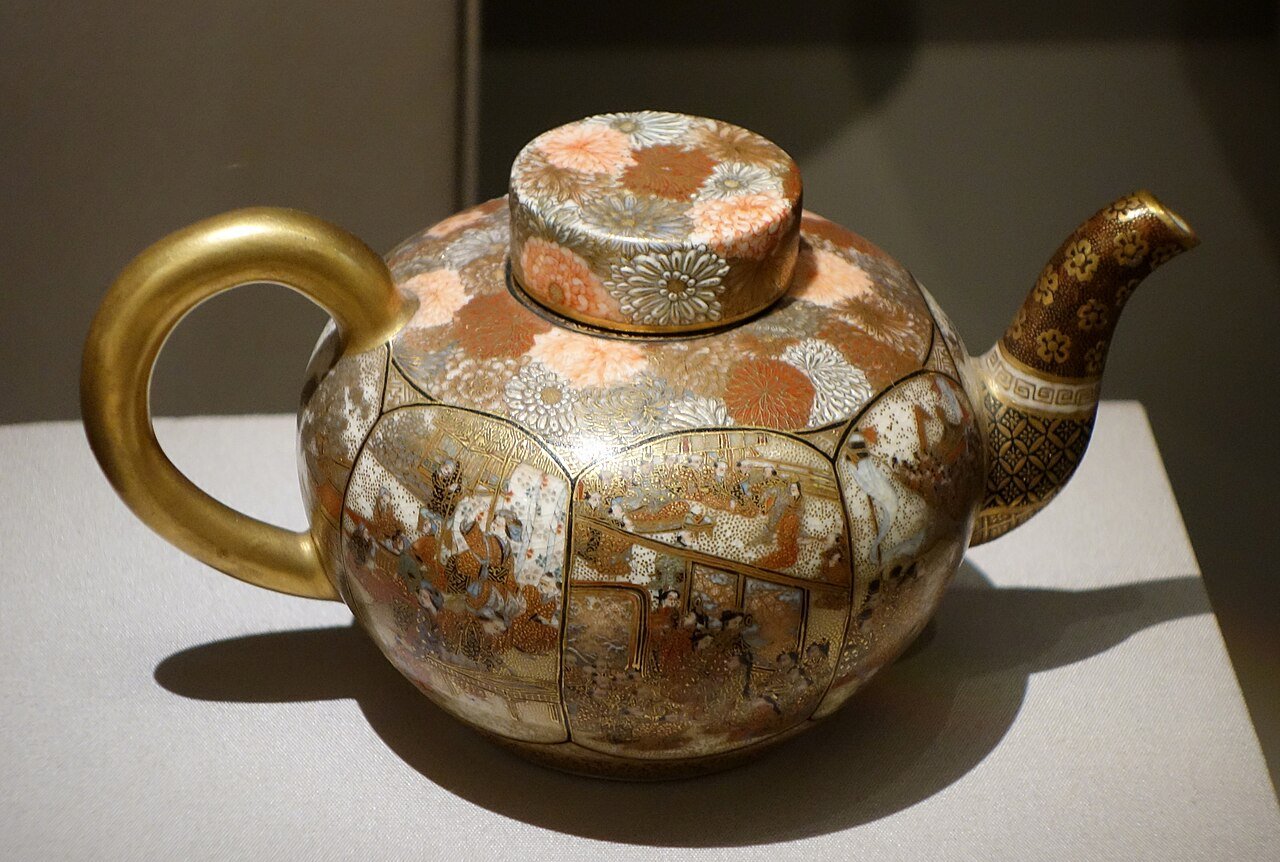
    Decorative Kyoto earthenware teapot representing the city ceramic tradition
    Kyoto earthenware from the Seikozan workshop. Photo: Daderot, CC0.

    Kyoto has a long ceramics tradition. Pottery classes can range from painting a pre-made piece to shaping clay by hand.

    Choose the Format Carefully

    If your trip is short, ask whether the finished item can be taken the same day. Pieces that require firing may need to be shipped later. International shipping can add cost.

    Who Will Enjoy It?

    This works well for couples, families with older children, and solo travelers. You do not need artistic experience. A good instructor should make the process accessible to beginners.

    3. Tea Ceremony Experience

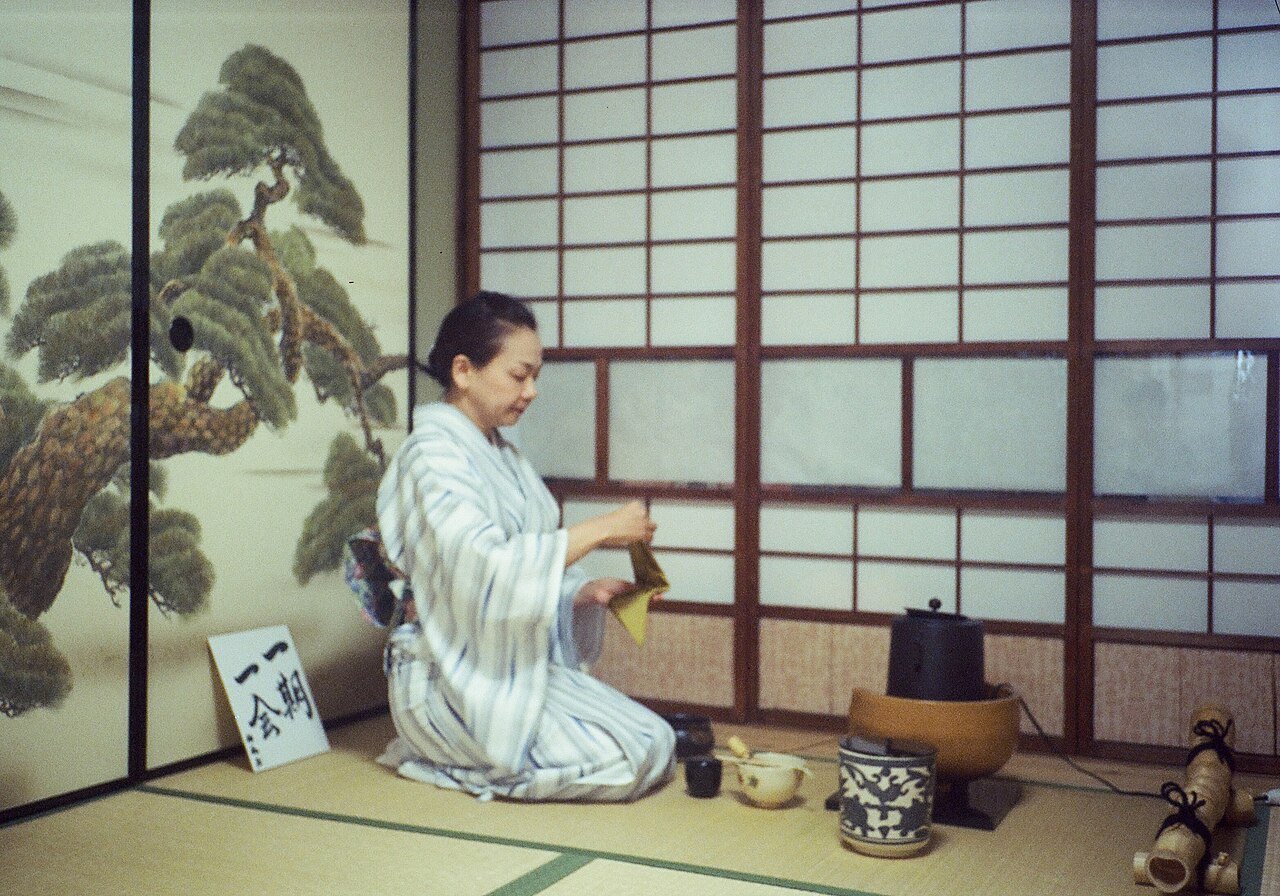
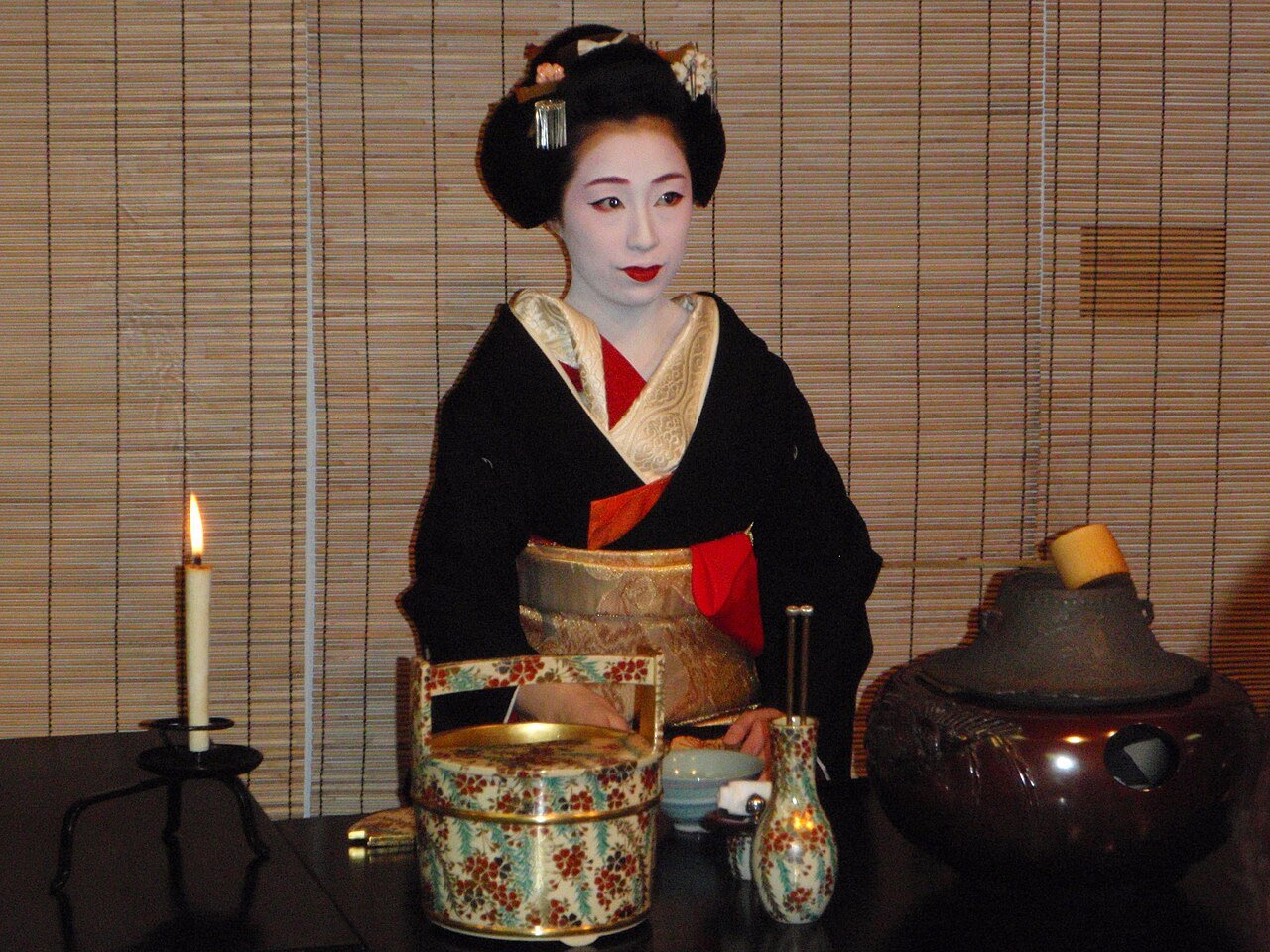
    Japanese tea ceremony host preparing tea in Kyoto
    A tea host preparing tea in Kyoto. Photo: Atticus Nguyen, CC BY-SA 4.0.

    A tea ceremony is one of Kyoto’s most popular cultural activities, but experiences vary widely. Some are short introductions designed for visitors. Others provide deeper instruction on the movements, utensils, room, and meaning behind the practice.

    How to Choose

    Read the description carefully. If you want more than a photo opportunity, look for a session that explains the steps and gives you time to ask questions.

    The Urasenke tradition is one major school of Japanese tea. You do not need to study tea formally before attending, but knowing that the practice has distinct schools and lineages helps you approach it with more respect.

    Basic Etiquette

    • Arrive on time.
    • Follow the host’s seating guidance.
    • Keep phones silent.
    • Ask before taking photos.
    • Listen before copying gestures.

    4. Wagashi-Making Class

    Wagashi are traditional Japanese sweets, often designed around seasons. A class can help you understand how color, shape, texture, and seasonal themes work together.

    Why It Pairs Well With Tea

    Many wagashi are designed to be eaten with tea, so a combined sweet-making and tea experience can create a fuller picture than doing either activity alone.

    Practical Tip

    If you have allergies, ask about ingredients in advance. Bean paste, rice flour, sugar, and coloring may be used, but recipes vary.

    5. Japanese Cooking Class

    A cooking class is useful if you want something you can repeat at home. Kyoto classes may focus on home-style dishes, vegetarian Buddhist cuisine, sushi, ramen, bento, or seasonal cooking.

    Choose a Class Based on What You Will Actually Cook Later

    A beautiful seven-course class may be memorable, but a simple home-cooking session can be more practical. Think about your goal.

    Useful Questions Before Booking

    • Is the class fully hands-on?
    • How many people are in the group?
    • Can dietary needs be accommodated?
    • Are recipes provided afterward?
    • How long is the session?

    6. Calligraphy

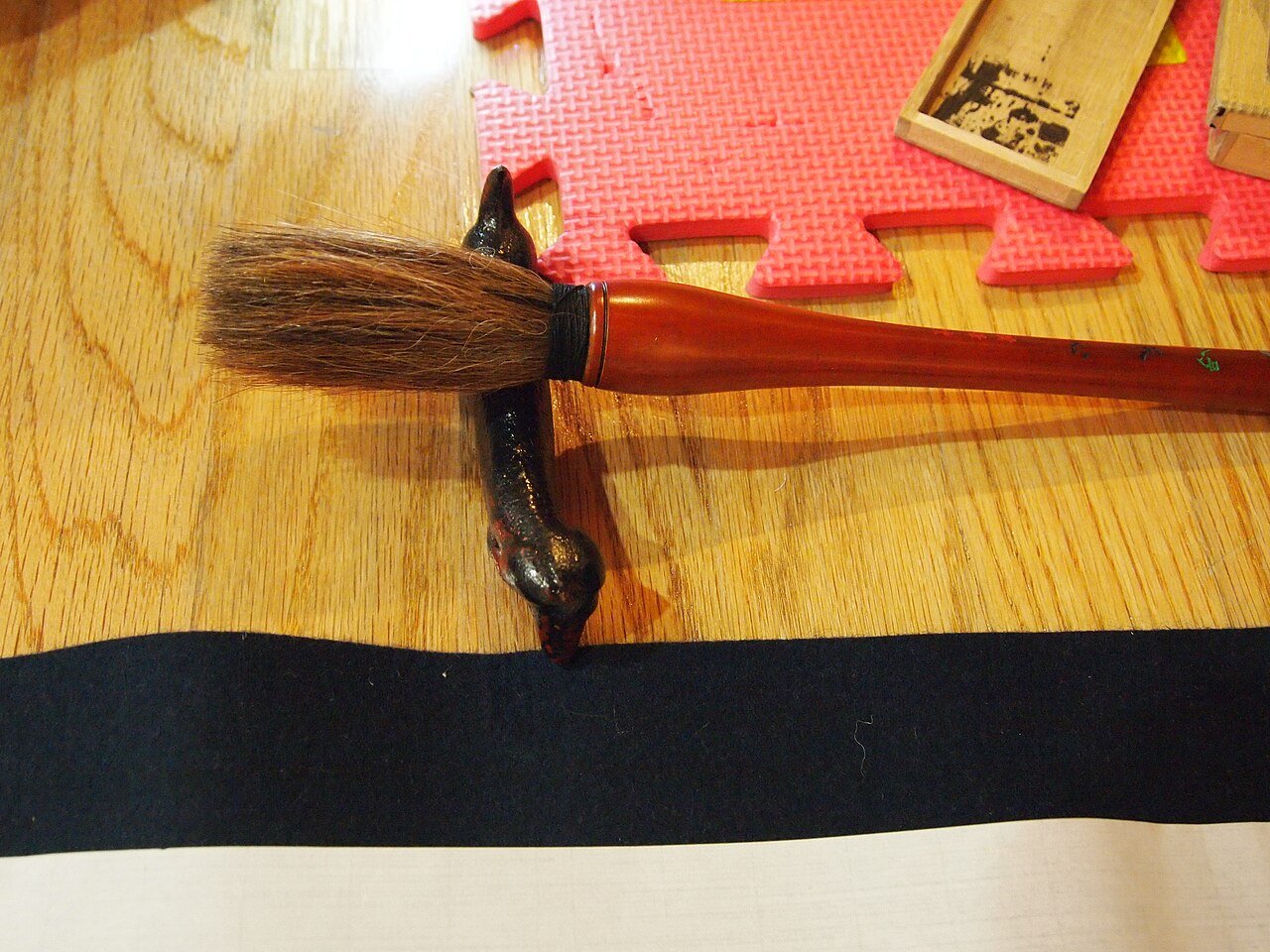
    Japanese calligraphy brush used for a hands-on shodo workshop
    A traditional Japanese calligraphy brush. Photo: Ph0kin, CC BY-SA 3.0.

    Japanese calligraphy, or shodō, looks simple until you try to control the brush. A beginner class usually explains posture, ink, brush pressure, and basic characters.

    Why It Works for a Short Visit

    Many sessions take about an hour. That makes calligraphy easy to add between a morning sightseeing block and an evening activity.

    You can also take home your work, which creates a more personal souvenir than a mass-produced item.

    7. Incense Appreciation or Incense-Making

    Kyoto has a deep connection with incense culture. Some experiences introduce fragrance materials and the formal appreciation of scent. Others let visitors blend a simpler incense product.

    Who Is It Best For?

    This is a good choice if you want a calm indoor activity, especially during rain or extreme heat. It also suits travelers who have already done tea or cooking classes and want something less common.

    8. Furoshiki Wrapping Workshop

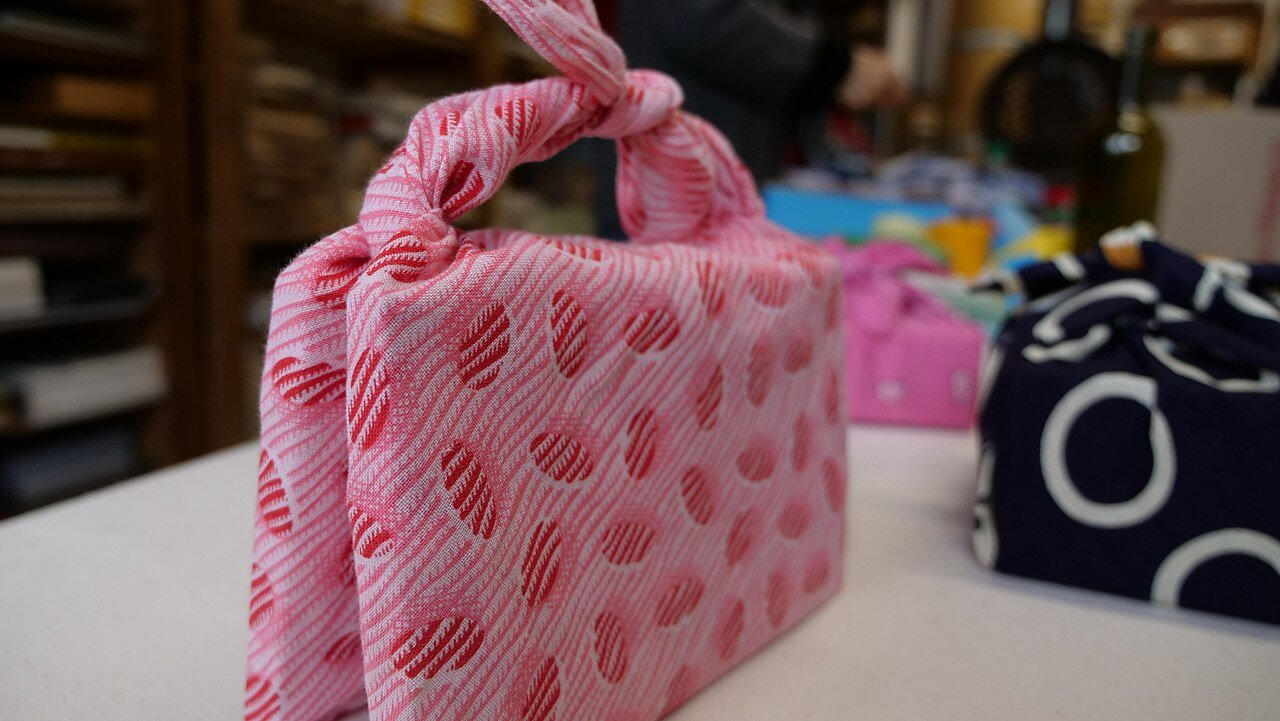
    Japanese furoshiki cloth wrapping technique for a Kyoto craft workshop guide
    Furoshiki cloth wrapping. Photo: Culture Japon, CC BY-SA 4.0.

    Furoshiki is the Japanese practice of wrapping and carrying items with cloth. A short class can teach several folds and knots.

    Why It Is Practical

    You can use the skill after the trip for gifts, storage, or carrying items. It also connects to low-waste habits because one piece of cloth can replace disposable wrapping.

    9. Gold Leaf, Lacquer or Decorative Craft Sessions

    Kyoto craft studios may offer beginner-friendly sessions using decorative techniques linked to traditional objects and interiors.

    Check How Much Is Demonstration Versus Hands-On

    Some premium experiences include a master artisan demonstration followed by a small visitor activity. Others are mostly DIY. Neither is automatically better, but know what you are paying for.

    10. Traditional Fan-Making or Painting

    Fans are strongly associated with Kyoto’s visual culture and performing arts. A fan-painting session can be a manageable activity for families and beginners.

    Shipping and Drying

    Ask whether the item will be dry and ready to pack by the end of the session. If not, plan how you will carry it.

    How to Tell Whether a Workshop Is Authentic and Respectful

    “Authentic” is often used as a marketing word. Instead of chasing that label, look for specific signs.

    Positive Signs

    • The instructor’s background is clearly explained.
    • The studio names the tradition or technique being taught.
    • The experience explains cultural context.
    • Class size is limited enough for instruction.
    • Photography rules are clear.
    • The booking page is honest about what beginners will actually do.

    Warning Signs

    • Promises of becoming a “master” in one hour.
    • No information about who teaches the session.
    • Heavy costume or photo focus with little explanation.
    • Unclear location or meeting instructions.

    How Much Time Should You Allow?

    Most beginner workshops take one to three hours. Do not book another activity immediately afterward. Allow at least 30 to 60 minutes of buffer for finding the studio, introductions, questions, and possible delays.

    A Good Half-Day Structure

    • 9:00 a.m.: Temple or neighborhood walk
    • 11:30 a.m.: Lunch
    • 1:00 p.m.: Workshop
    • 3:30 p.m.: Cafe or market
    • 5:00 p.m.: Flexible sightseeing

    This feels much better than stacking two workshops and three temples into one afternoon.

    Where to Fit Workshops in a Kyoto Itinerary

    Central Kyoto

    Good for activities near downtown shopping streets, markets, and major transport. Easy on rainy days.

    Higashiyama

    Pair a cultural workshop with temples and traditional streets, but start early because the area can become crowded.

    Arashiyama

    If your workshop is here, combine it with one or two nearby sights rather than returning to central Kyoto several times.

    Nishijin

    This area has strong textile connections and can be useful for craft-focused visitors.

    How to Avoid Overcrowding

    Kyoto’s popular areas can become busy. A workshop can help because it moves part of your day indoors and away from major photo spots.

    Use Early and Late Hours for Outdoor Sights

    Visit famous temples or streets early. Schedule your workshop around midday when crowds and heat may be stronger.

    This is more comfortable and makes better use of your time.

    Booking Tips

    Book Small Classes Early

    Artisan-led workshops may have only a few seats. If the experience matters to you, do not wait until the final day.

    Check Language Support

    Some instructors use interpreters, translated materials, or English-speaking assistants. Others teach mainly through demonstration.

    Check Cancellation Rules

    Small studios may have stricter policies because a canceled seat is hard to replace.

    Confirm the Exact Address

    Kyoto addresses can be confusing to first-time visitors. Save the location and arrive early.

    How Much Do Workshops Cost?

    Prices vary widely by craft, class length, materials, and instructor. A basic group session may cost much less than a private lesson with a specialist artisan.

    Decide What You Value

    If you want context and conversation, pay for a smaller class. If you mainly want a fun family activity, a larger beginner workshop may be enough.

    Compare what is included: materials, finished item, tea, meal, shipping, interpreter, or private instruction.

    Family-Friendly Options

    Pottery painting, furoshiki, fan painting, and simple sweet-making can work well for children. Always check minimum age requirements.

    A long formal tea session may be difficult for very young children, while a short interactive introduction can be easier.

    Best Options for Solo Travelers

    Group workshops are excellent for solo travelers because the activity creates natural conversation. Cooking, calligraphy, and craft classes are especially easy to join alone.

    If you prefer privacy, a one-on-one lesson may give you more instruction but will usually cost more.

    What to Wear

    Comfortable clothing is usually enough. Avoid sleeves that drag through paint, dye, food, or ink.

    For tea rooms, socks may be expected in some settings. Follow the instructions provided by the host.

    Photography Etiquette

    Ask before photographing artisans closely, especially in working studios. Do not assume that paying for a workshop gives you unlimited permission to film the process.

    If the teacher is explaining something, focus on the lesson rather than recording every second.

    Real-World Example: A Craft-Focused Day

    Start early in Higashiyama before the busiest crowds. Visit one temple and walk a traditional street. Have an early lunch. Take a taxi or bus to a textile workshop in the early afternoon. Spend two hours learning the process. Afterward, stop at a cafe and review what you made. Finish the day with a simple dinner near your hotel.

    This day includes sightseeing, learning, food, and rest without feeling rushed.

    Real-World Example: A Rainy Kyoto Day

    If heavy rain is forecast, move your outdoor sights to another day. Start with a market, take a wagashi class, have lunch, then do calligraphy or visit a museum. End with a tea experience.

    A rainy day does not have to become a lost day if your itinerary includes indoor cultural options.

    Common Workshop Mistakes

    Booking Based Only on Photos

    Read what you will actually do.

    Arriving Late

    Small classes may not be able to restart instructions for one person.

    Expecting Perfection

    Your first pottery piece or calligraphy sheet may not look professional. The process is the value.

    Choosing Too Many Activities

    One workshop per day is usually enough.

    Ignoring Shipping Costs

    Pottery or large craft pieces may cost more to ship than expected.

    Quick Decision Guide

    • Best for food lovers: Cooking or wagashi.
    • Best for calm travelers: Tea or incense.
    • Best for families: Pottery painting, fan painting, furoshiki.
    • Best for art lovers: Kyo-yuzen, calligraphy, ceramics.
    • Best souvenir: A small item you make yourself.
    • Best rainy-day option: Indoor craft or cooking class.

    Final Takeaway

    Kyoto’s best hands-on experiences give you more than a souvenir. They help you understand how a tradition is practiced, what materials matter, and why local skills have survived.

    Choose one workshop that genuinely matches your interests, check the instructor and class format, allow enough travel time, and build the rest of the day around it. Whether you make wagashi, practice calligraphy, dye fabric, shape clay, or learn tea etiquette, participation can turn a busy sightseeing trip into something more personal and memorable.

  • Vieques Bioluminescent Bay in 2026: How to Plan a Safe Night Kayak Trip

    Vieques Bioluminescent Bay in 2026: How to Plan a Safe Night Kayak Trip

    Vieques Bioluminescent Bay in 2026: How to Plan a Safe Night Kayak Trip

    Seeing a bioluminescent bay at night sounds simple: get in a kayak, paddle into dark water, and watch it glow. In reality, the quality of the experience depends on moonlight, weather, water conditions, transport, tour timing, and how responsibly the bay is managed. Vieques, Puerto Rico, is one of the best-known places in the world for this kind of night experience, especially Mosquito Bay.

    In 2026, nature-based and water experiences continue to attract travelers who want something more memorable than passive sightseeing. A bioluminescent kayak trip fits that trend, but it should be planned carefully. This guide explains when to go, how to choose a tour, what to pack, how to reach Vieques, and how to protect the ecosystem while still enjoying the glow.

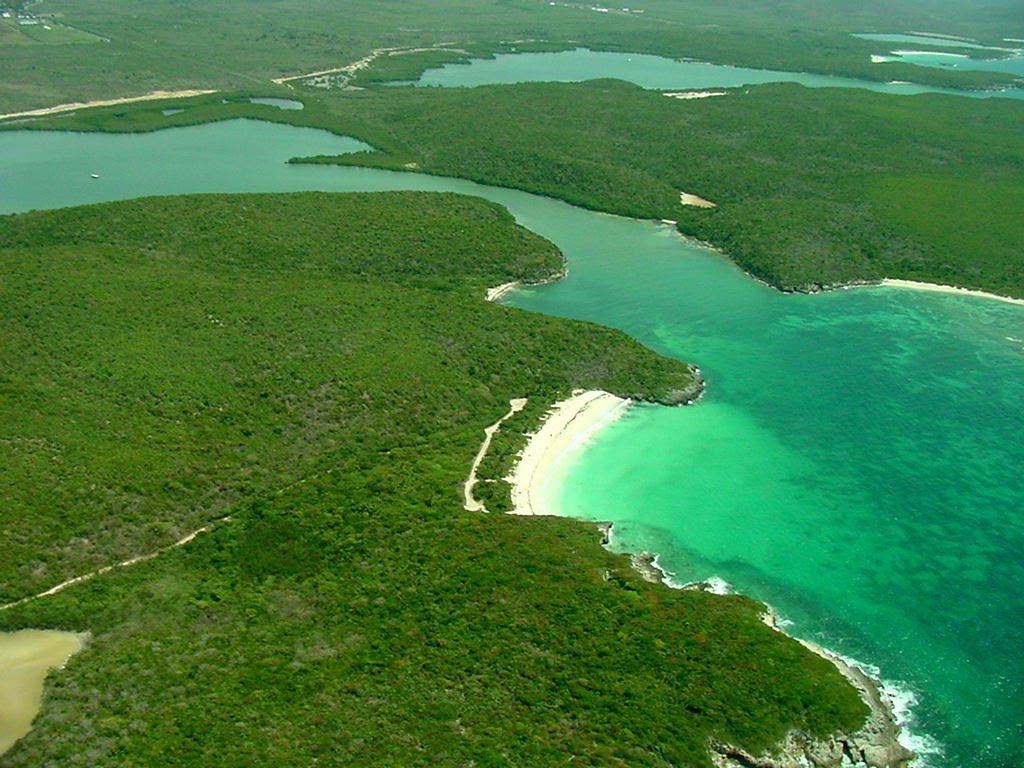
    Aerial view of the bioluminescent bay area in Vieques Puerto Rico
    Aerial view of the Vieques Bio Bay area. USDA and DRNA Puerto Rico, CC BY-SA 4.0.

    For current Puerto Rico travel information, use Discover Puerto Rico. For local conservation and access information, also check official Vieques and tour-operator guidance before your visit.

    What Makes Mosquito Bay Special?

    Bioluminescence happens when microscopic organisms in the water produce light after movement. In Mosquito Bay, paddles, hands, and fish can create brief blue-green flashes in dark conditions.

    The effect is natural, so it cannot be guaranteed with the exact brightness you may see in edited photos or long-exposure images. Water conditions, moonlight, recent rain, wind, and environmental changes all affect what you see.

    Set Realistic Expectations

    Do not arrive expecting the bay to look like neon paint under normal vision. The best nights can be remarkable, but cameras often exaggerate brightness through long exposures or editing.

    When Is the Best Time to Visit?

    The most important factor is darkness. A bright full moon can reduce how clearly you see the glow, while darker moon phases usually improve contrast.

    Check the Moon Phase Before Booking

    Look at the lunar calendar for your travel dates. New-moon periods are often preferred. That does not mean you must cancel a trip because the moon is visible, but darker conditions can improve the experience.

    Weather Matters Too

    Cloud cover can reduce moonlight, but heavy rain, wind, or storms may affect safety and tour operations. Always follow the operator’s decision if a tour is delayed or canceled.

    How Many Nights Should You Stay in Vieques?

    Do not plan the kayak tour on the same evening as a tight arrival connection if you can avoid it. Ferries and flights can be delayed, and you may need time to reach your accommodation and meeting point.

    Best Practical Plan

    Stay at least two nights. Use the first night for the bioluminescent tour and keep the second as a backup in case weather forces a change.

    If the tour runs as planned, the extra day lets you explore beaches, local food, and the island at a slower pace.

    How to Get to Vieques

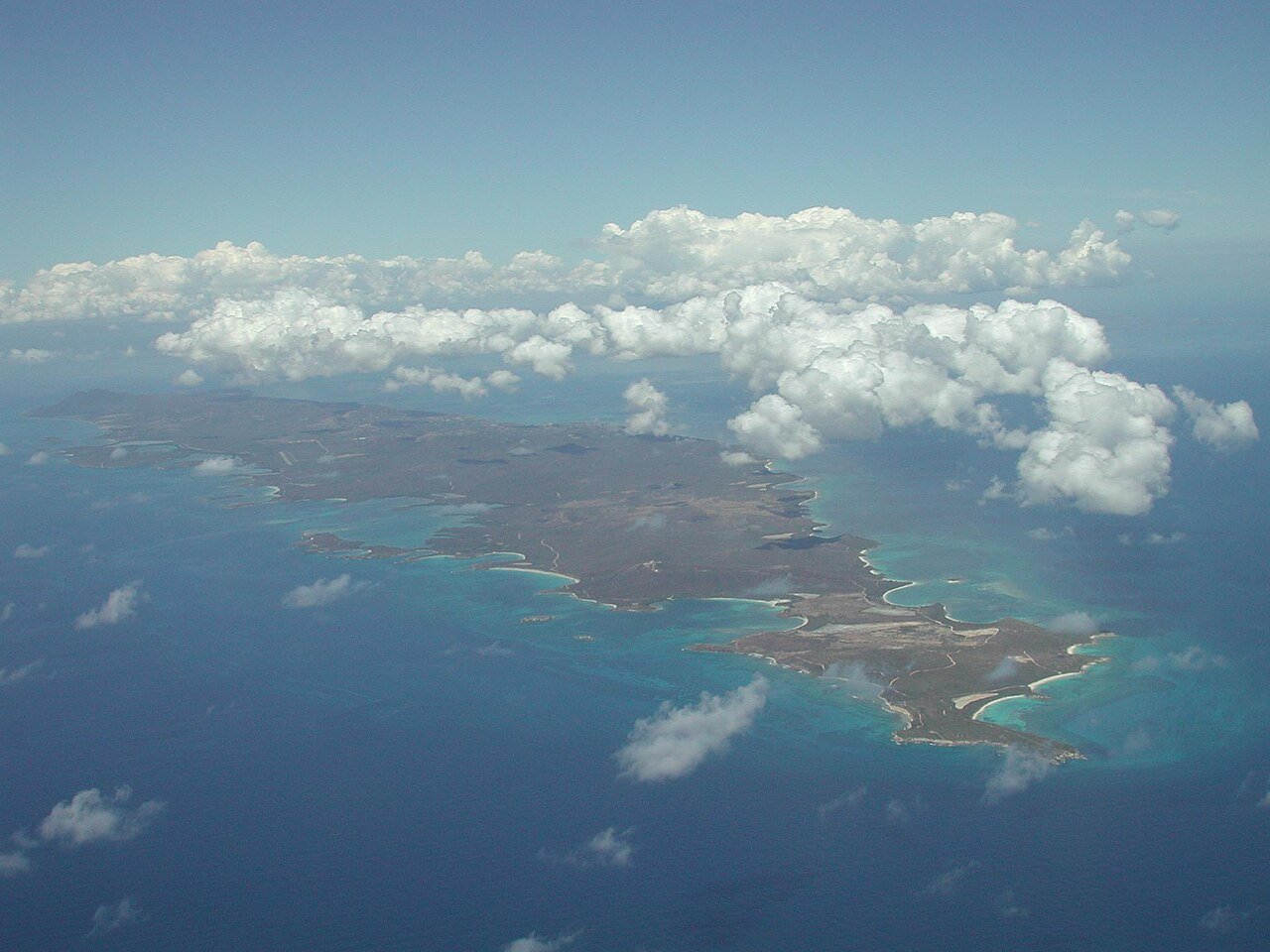
    Aerial view of Vieques island Puerto Rico for planning transport and an overnight stay
    Vieques island viewed from the air. U.S. Fish and Wildlife Service, public domain.

    Vieques is an island off Puerto Rico’s east coast. Travelers commonly arrive by ferry or small plane.

    Ferry

    Ferry travel can be more affordable, but you should check current schedules, ticket rules, baggage policies, and transport to the terminal.

    Flight

    Small regional flights can save time and may connect from San Juan-area airports. They usually cost more, and baggage rules may be stricter than on major airlines.

    Do Not Build a Zero-Buffer Connection

    If your international flight arrives in Puerto Rico in the afternoon, do not assume you can comfortably reach Vieques and make an evening kayak tour. Delays in baggage, road traffic, ferry schedules, or local transport can ruin the plan.

    How to Choose a Bioluminescent Bay Tour

    Most visitors should join a licensed guided tour rather than trying to access the bay independently. The area is dark, environmentally sensitive, and unfamiliar to first-time visitors.

    Look for These Signs

    • Clear meeting and transport instructions
    • Small or well-managed group sizes
    • Safety briefing before launch
    • Life jackets included
    • Transparent cancellation policy
    • Responsible environmental rules
    • Guides who explain the ecosystem

    A good operator should care about the bay, not only about getting guests on the water quickly.

    Clear Kayak or Standard Kayak?

    Some operators use transparent or clear-bottom kayaks so you can see flashes beneath you. Others use regular kayaks.

    Clear Kayak Advantages

    • Better view below the boat
    • More dramatic visual experience on good nights
    • Useful for first-time visitors

    Possible Trade-Offs

    • Can feel less comfortable depending on design
    • May cost more
    • Scratches or water conditions can reduce clarity

    The operator, guide quality, and timing matter more than the boat material alone.

    What the Tour Usually Feels Like

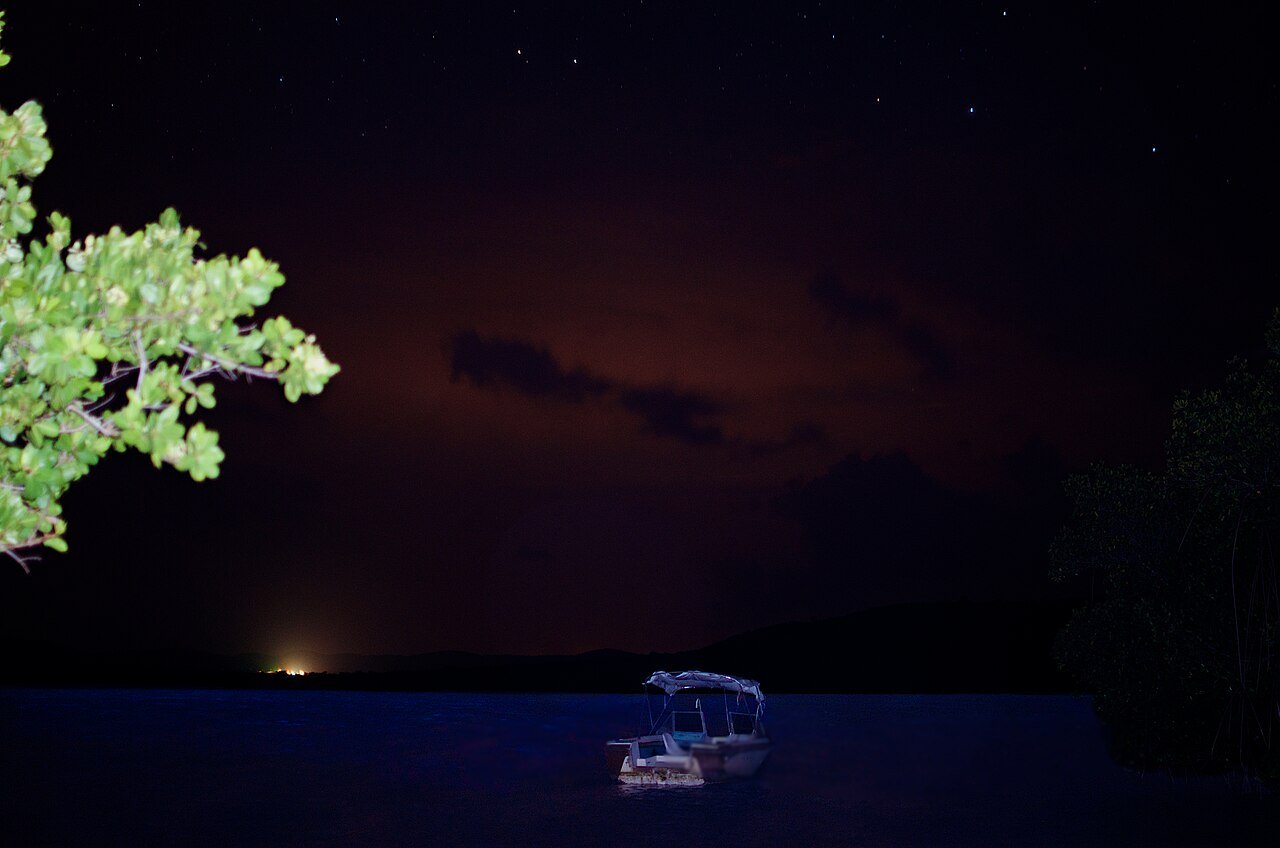
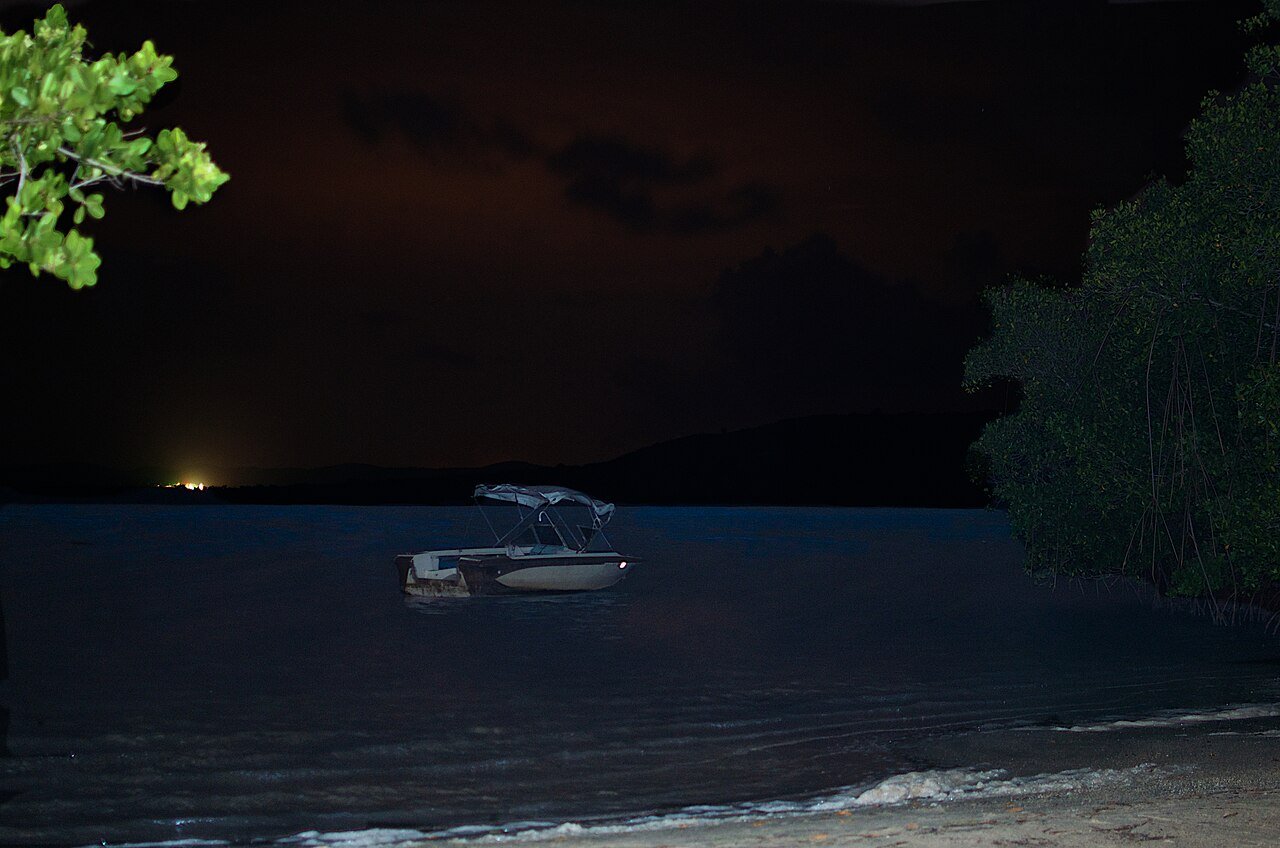
    Dark night view of Mosquito Bay in Vieques for planning a bioluminescent tour
    A dark view of Mosquito Bay in Vieques. Photo: Edgar Torres, CC BY 3.0.

    You will normally meet at a designated point after dark or near sunset. Some tours include transport to the launch area. After a safety briefing, the group enters kayaks and paddles into the bay.

    As the water gets darker, movement can create flashes around the paddle and hull. Guides may explain the organisms, local ecology, and conservation rules.

    Is It Physically Difficult?

    Most tours are designed for normal travelers rather than athletes. Still, you need basic mobility and the ability to sit in a kayak. Wind can make paddling harder.

    If you have limited mobility, back problems, or other concerns, ask the operator about boarding conditions before booking.

    What to Wear

    Dress for getting slightly wet even if the tour description says you should stay dry.

    • Quick-dry shorts or lightweight pants
    • Comfortable shirt
    • Water shoes or secure sandals if recommended
    • Light rain layer when needed
    • Minimal jewelry

    Avoid bringing valuables that you do not need.

    What to Pack

    Bring

    • Small amount of water if allowed
    • Phone in a waterproof case
    • Any required medication
    • Booking confirmation
    • Light layer for after the tour

    Leave at the Hotel

    • Large bags
    • Expensive camera gear unless specifically planned
    • Loose electronics
    • Unnecessary documents

    Why You Should Be Careful With Insect Repellent and Lotions

    Environmental rules may restrict products that can enter the water. Some operators provide specific guidance about insect repellent, sunscreen, perfumes, or lotions.

    Follow the tour company’s instructions. The bay is a sensitive ecosystem, and what you put on your skin can matter.

    Can You Swim in the Bay?

    Do not assume swimming is allowed. Conservation rules can change, and protecting the water quality is important.

    Follow the operator and local regulations. If swimming is prohibited, do not pressure guides or ignore the rule for a photo.

    Photography: What Actually Works?

    Bioluminescence is difficult to photograph with a normal phone. The glow may be visible to your eyes but weak on camera.

    Phone Tips

    • Do not use flash.
    • Keep the phone secure with a waterproof strap or case.
    • Use night mode only if you can hold the phone steady.
    • Do not spend the whole tour looking at the screen.

    Camera Tips

    Low-light photography may require high ISO, wide aperture, and longer exposure. A moving kayak makes this difficult.

    If photography is your main goal, look for an operator that clearly allows and supports camera use. Otherwise, treat photos as a bonus.

    How to Enjoy the Experience Without Ruining It for Others

    Darkness is part of the experience. Bright phone screens and flashlights can reduce everyone’s night vision.

    Good Group Etiquette

    • Keep screen brightness low.
    • Do not use flash.
    • Listen during the guide’s explanation.
    • Avoid splashing other kayaks.
    • Keep a safe distance between boats.
    • Follow instructions quickly if weather changes.

    Safety at Night

    The bay is dark by design, so safety depends on guides, equipment, and group discipline.

    Before Launching

    • Wear the provided life jacket correctly.
    • Tell the guide if you are not a confident swimmer.
    • Ask how to recover if the kayak tips.
    • Secure your phone.
    • Know who your paddling partner is if using a tandem kayak.

    During the Tour

    Stay with the group. Do not paddle away to chase brighter water or a better photo.

    What Happens if It Rains?

    Light rain does not always cancel a tour. Strong wind, lightning, rough water, or unsafe access may.

    Use the operator’s judgment. A canceled nature tour can be disappointing, but safety should come first.

    Why a Backup Night Helps

    If you stay two nights, you have another chance. This is one of the simplest ways to reduce travel stress.

    Best Time of Night

    The best departure depends on sunset, moonrise, moon phase, and operator schedule. Later is not automatically better.

    A well-run tour at the right dark window is more important than chasing the latest available slot.

    How to Pair the Tour With a Day in Vieques

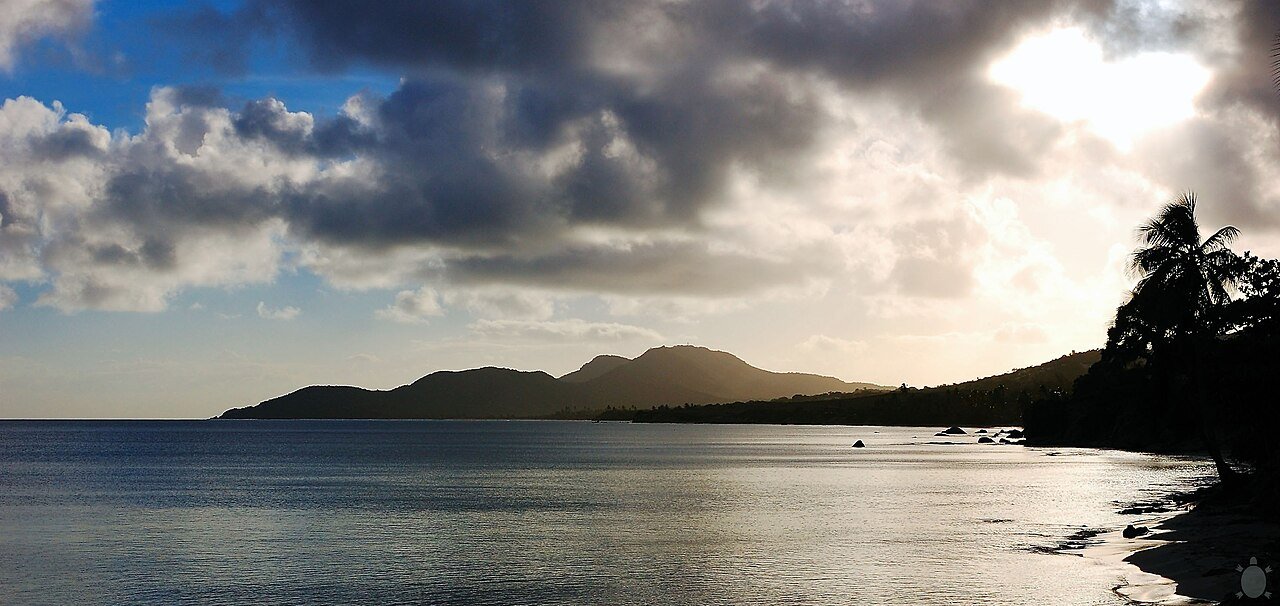
    Sunset over a bay in Vieques Puerto Rico before an evening kayak tour
    Sunset on the bay in Vieques. Photo: Arturo Donate, CC BY 2.0.

    Do not exhaust yourself before the night paddle.

    A Balanced Day

    • Morning: Beach or short island drive
    • Lunch: Casual local meal
    • Afternoon: Hotel rest
    • Early evening: Light dinner
    • Night: Bioluminescent bay tour

    This schedule protects your energy and reduces the chance of arriving late.

    Should You Eat Before the Tour?

    Have a light meal, not a huge dinner. A heavy meal immediately before kayaking may feel uncomfortable.

    Also check whether restaurants near your accommodation stay open late. You may not want to search for dinner after returning from the bay.

    Transport on Vieques After Dark

    Local transport options can be limited compared with San Juan. Confirm how you will get from your hotel to the tour meeting point and back.

    Ask Your Accommodation

    Hotels and guesthouses often know current taxi availability and tour pickup arrangements. Confirm this before sunset, not after the tour ends.

    Where to Stay

    Your best area depends on whether you prioritize beaches, restaurants, or easy tour pickup.

    Choose Based on Logistics

    Do not book the cheapest room without checking transport. A remote stay can be beautiful but inconvenient if you have no rental vehicle or reliable taxi access.

    Ask the tour operator whether they collect from your area before finalizing accommodation.

    Responsible Travel in a Bioluminescent Ecosystem

    Follow Access Rules

    Do not enter restricted areas independently.

    Avoid Touching or Collecting Wildlife

    The bay is not a place to take samples or souvenirs.

    Do Not Dump Anything Into the Water

    Food, drinks, chemicals, and trash can harm a sensitive environment.

    Choose Operators That Educate Guests

    A short explanation of the ecosystem is a good sign that the operator takes conservation seriously.

    Can Children Join?

    Age rules vary by operator. Some tours allow children above a minimum age; others have height, weight, or safety restrictions.

    Ask whether the child must paddle, whether tandem kayaks are used, and what happens if the child becomes uncomfortable in darkness.

    Is the Tour Good for Non-Swimmers?

    Policies vary. Life jackets are standard on reputable tours, but you should tell the operator in advance if you cannot swim.

    Do not hide a safety concern because you are worried about being refused. The operator can tell you whether the activity is appropriate.

    Accessibility Considerations

    Boarding a kayak can require balance, bending, and stepping into shallow or uneven water. Access routes may also be dark or rough.

    If mobility is a concern, contact operators directly and ask specific questions about transfer assistance, seating, launch conditions, and alternative viewing options.

    How Much Should You Budget?

    Your total cost includes more than the kayak ticket. Add:

    • Transport to Vieques
    • Accommodation
    • Local taxi or rental vehicle
    • Tour ticket
    • Meals
    • Optional tips

    A cheaper tour is not always the best value if it has poor transport arrangements or weak safety practices.

    Common Mistakes

    Booking on a Bright Moon Without Checking Conditions

    The bay may still glow, but visibility can be reduced.

    Arriving on Vieques the Same Evening

    One transport delay can make you miss the tour.

    Expecting Phone Photos to Match Your Eyes

    Enjoy the experience first.

    Ignoring Tour Pickup Logistics

    Night transport is not the time to improvise.

    Bringing Too Much Gear

    Keep valuables and bulky bags at your accommodation.

    Breaking Environmental Rules for a Photo

    No image is worth damaging the bay or getting removed from the tour.

    Sample Two-Night Vieques Plan

    Day 1

    Arrive before mid-afternoon. Check in, confirm tour transport, eat an early dinner, and join the bioluminescent bay tour.

    Day 2

    Sleep in, visit a beach, have lunch locally, explore at a relaxed pace, and keep the evening available as a weather backup.

    Day 3

    Depart without rushing into an early international connection.

    Quick Pre-Booking Checklist

    • Check moon phase.
    • Check your arrival time in Vieques.
    • Choose a reputable guided operator.
    • Confirm pickup and return transport.
    • Read age and mobility rules.
    • Understand the weather cancellation policy.
    • Pack light and secure electronics.
    • Keep a second night as backup if possible.

    Final Takeaway

    A Vieques bioluminescent bay trip can be one of the most memorable things you do in Puerto Rico, but the best experience depends on planning more than luck. Choose a dark moon window when possible, stay at least two nights, use a reputable guided tour, and confirm night transport before you leave your accommodation.

    Most importantly, treat Mosquito Bay as a living ecosystem rather than a light show. Follow conservation rules, keep your expectations realistic, and spend less time fighting your camera. When conditions are right, the simple act of moving a paddle through glowing water is enough.