Best Hands-On Things to Do in Kyoto in 2026: Crafts, Tea and Cultural Workshops
Kyoto has no shortage of famous temples and photogenic streets, but one of the best ways to understand the city in 2026 is to do something with your hands. Craft classes, tea experiences, cooking lessons, calligraphy, incense workshops, and traditional art sessions give you a different kind of memory from another sightseeing stop.
This matters because travel is shifting toward participation. Travelers increasingly want to learn a skill, meet local experts, and understand how an object or tradition is made. Kyoto is especially strong for this because many crafts and cultural practices are still part of living local industries.
This guide explains which hands-on activities are worth considering, how to choose a credible workshop, how much time to allow, what etiquette matters, and how to fit these experiences into a normal Kyoto itinerary without losing half your day in transit.
For current visitor information and responsible tourism guidance, use the Kyoto City Official Travel Guide.
Why Choose a Workshop Instead of Another Attraction?
Kyoto can become overwhelming if every day is built around temples, shrines, and crowded heritage streets. A workshop slows the pace. You spend one or two hours focused on a process instead of moving from landmark to landmark.
It also gives you a natural way to ask questions. A skilled instructor can explain why a material is used, how a technique changed over time, and what role the craft has today.
Good Workshops Create Context
The best experience is not only “make a souvenir.” It should help you understand the tradition behind the item or practice.
1. Kyo-Yuzen Dyeing Workshop
Kyo-yuzen is a traditional Kyoto textile-dyeing technique associated with kimono and decorative fabrics. Beginner workshops often simplify the process so visitors can work with stencils, dyes, or smaller items.
Why It Is Worth Doing
You learn how much planning sits behind a pattern that may look effortless when finished. It also gives you a useful introduction to Kyoto’s textile history.
What You Might Make
- Handkerchief
- Small cloth panel
- Bag
- Decorative fabric item
The exact product depends on the studio, so check before booking.
2. Kiyomizu-yaki or Kyoto Pottery Experience
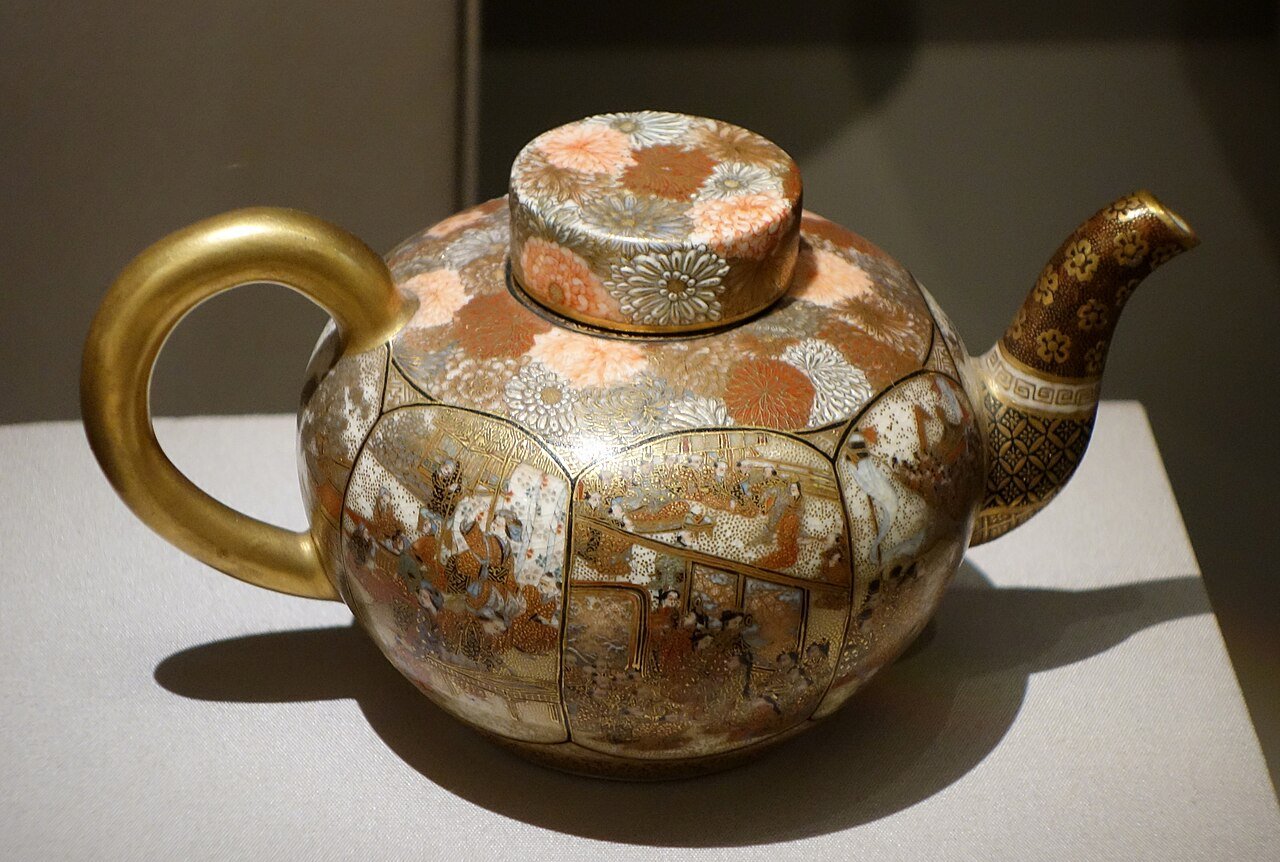
Kyoto has a long ceramics tradition. Pottery classes can range from painting a pre-made piece to shaping clay by hand.
Choose the Format Carefully
If your trip is short, ask whether the finished item can be taken the same day. Pieces that require firing may need to be shipped later. International shipping can add cost.
Who Will Enjoy It?
This works well for couples, families with older children, and solo travelers. You do not need artistic experience. A good instructor should make the process accessible to beginners.
3. Tea Ceremony Experience
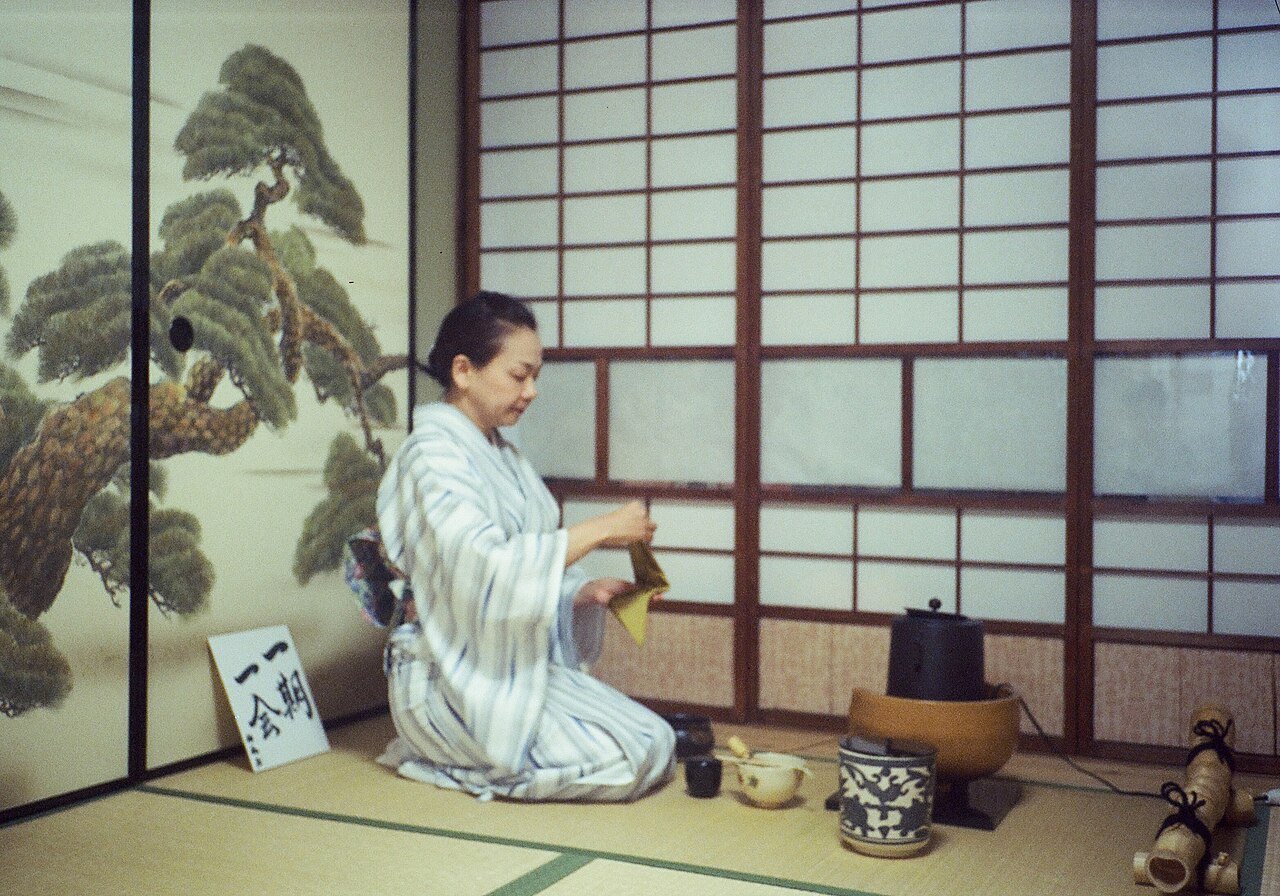
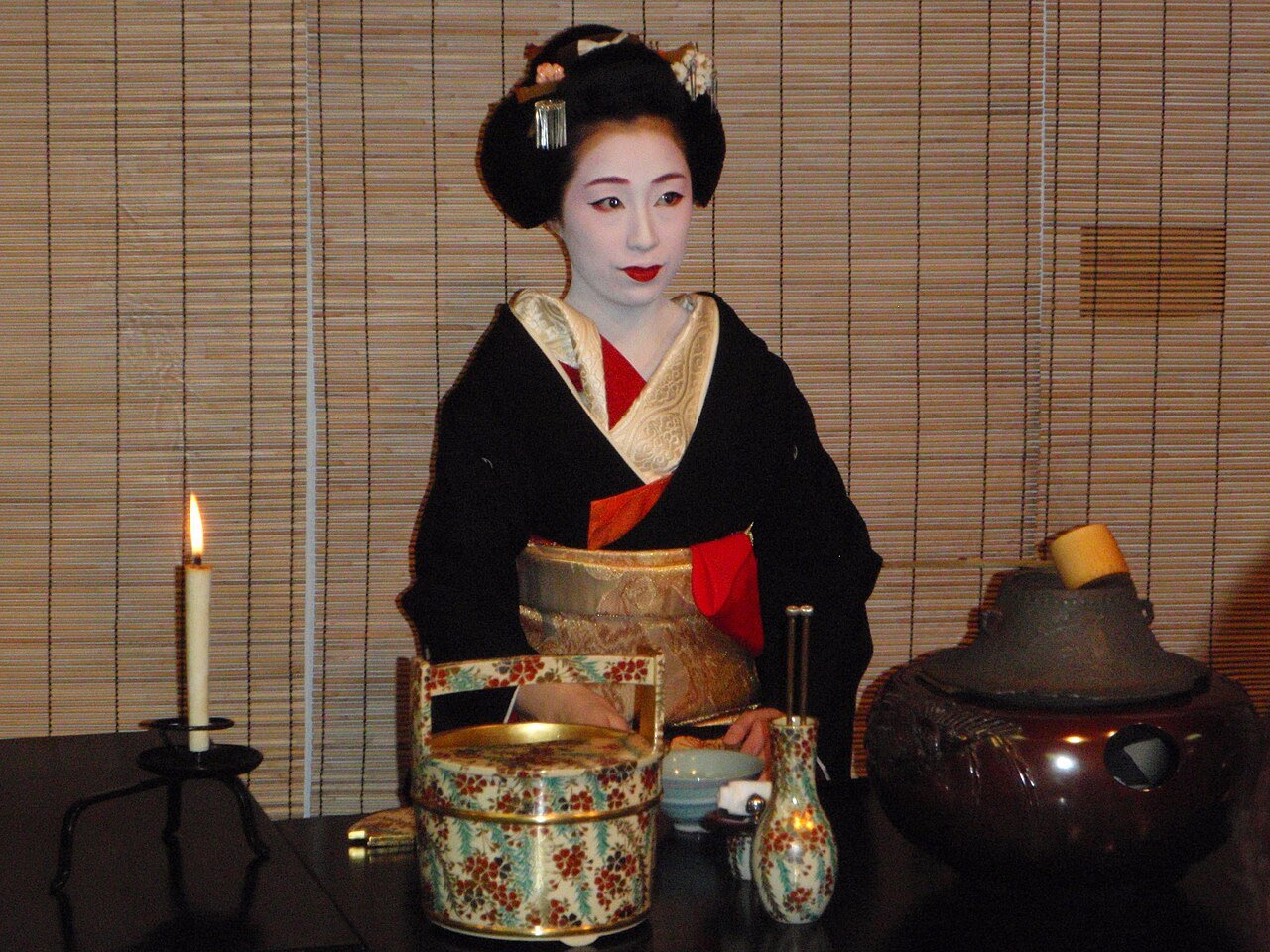
A tea ceremony is one of Kyoto’s most popular cultural activities, but experiences vary widely. Some are short introductions designed for visitors. Others provide deeper instruction on the movements, utensils, room, and meaning behind the practice.
How to Choose
Read the description carefully. If you want more than a photo opportunity, look for a session that explains the steps and gives you time to ask questions.
The Urasenke tradition is one major school of Japanese tea. You do not need to study tea formally before attending, but knowing that the practice has distinct schools and lineages helps you approach it with more respect.
Basic Etiquette
- Arrive on time.
- Follow the host’s seating guidance.
- Keep phones silent.
- Ask before taking photos.
- Listen before copying gestures.
4. Wagashi-Making Class
Wagashi are traditional Japanese sweets, often designed around seasons. A class can help you understand how color, shape, texture, and seasonal themes work together.
Why It Pairs Well With Tea
Many wagashi are designed to be eaten with tea, so a combined sweet-making and tea experience can create a fuller picture than doing either activity alone.
Practical Tip
If you have allergies, ask about ingredients in advance. Bean paste, rice flour, sugar, and coloring may be used, but recipes vary.
5. Japanese Cooking Class
A cooking class is useful if you want something you can repeat at home. Kyoto classes may focus on home-style dishes, vegetarian Buddhist cuisine, sushi, ramen, bento, or seasonal cooking.
Choose a Class Based on What You Will Actually Cook Later
A beautiful seven-course class may be memorable, but a simple home-cooking session can be more practical. Think about your goal.
Useful Questions Before Booking
- Is the class fully hands-on?
- How many people are in the group?
- Can dietary needs be accommodated?
- Are recipes provided afterward?
- How long is the session?
6. Calligraphy
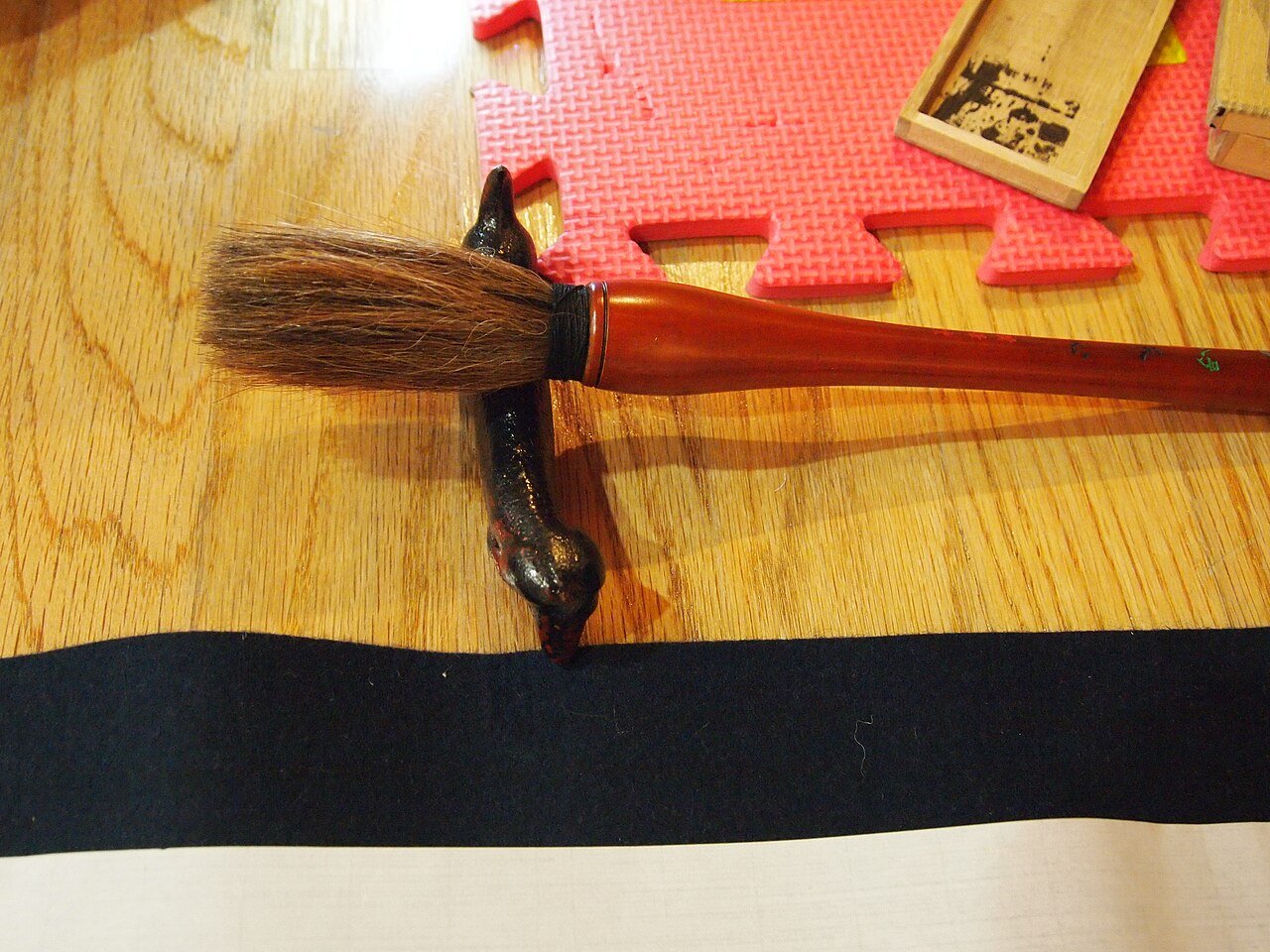
Japanese calligraphy, or shodō, looks simple until you try to control the brush. A beginner class usually explains posture, ink, brush pressure, and basic characters.
Why It Works for a Short Visit
Many sessions take about an hour. That makes calligraphy easy to add between a morning sightseeing block and an evening activity.
You can also take home your work, which creates a more personal souvenir than a mass-produced item.
7. Incense Appreciation or Incense-Making
Kyoto has a deep connection with incense culture. Some experiences introduce fragrance materials and the formal appreciation of scent. Others let visitors blend a simpler incense product.
Who Is It Best For?
This is a good choice if you want a calm indoor activity, especially during rain or extreme heat. It also suits travelers who have already done tea or cooking classes and want something less common.
8. Furoshiki Wrapping Workshop
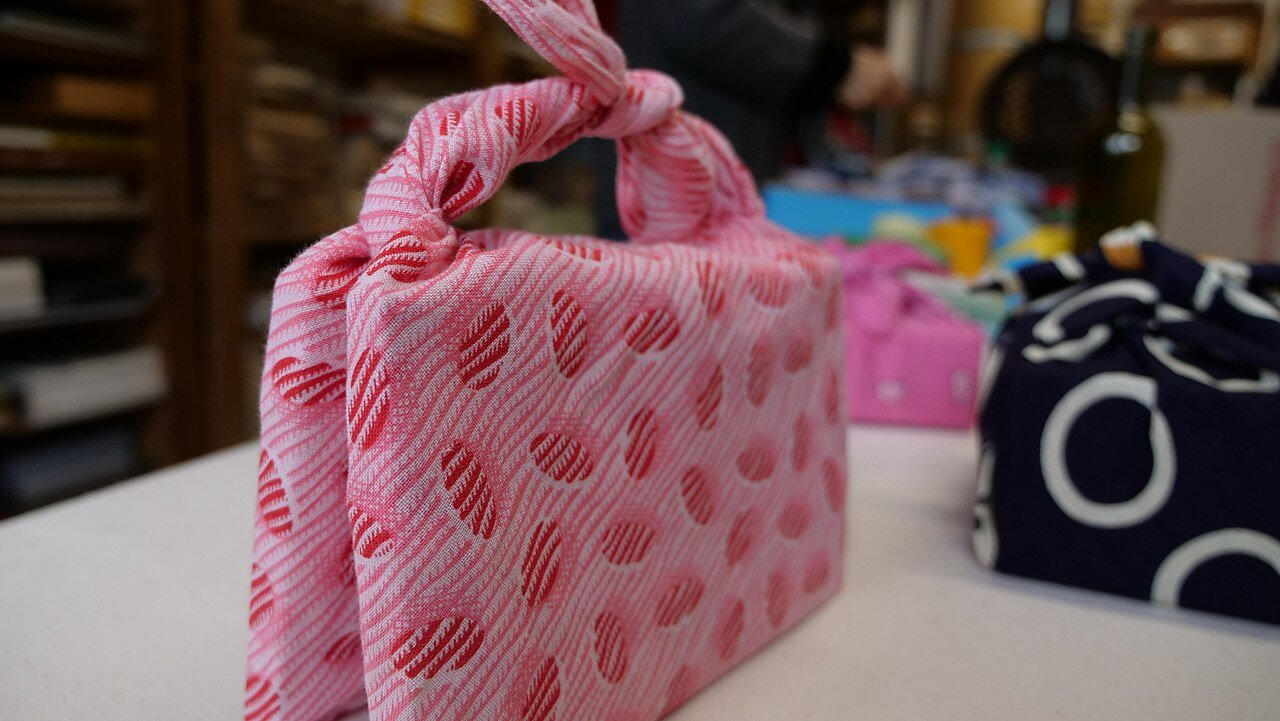
Furoshiki is the Japanese practice of wrapping and carrying items with cloth. A short class can teach several folds and knots.
Why It Is Practical
You can use the skill after the trip for gifts, storage, or carrying items. It also connects to low-waste habits because one piece of cloth can replace disposable wrapping.
9. Gold Leaf, Lacquer or Decorative Craft Sessions
Kyoto craft studios may offer beginner-friendly sessions using decorative techniques linked to traditional objects and interiors.
Check How Much Is Demonstration Versus Hands-On
Some premium experiences include a master artisan demonstration followed by a small visitor activity. Others are mostly DIY. Neither is automatically better, but know what you are paying for.
10. Traditional Fan-Making or Painting
Fans are strongly associated with Kyoto’s visual culture and performing arts. A fan-painting session can be a manageable activity for families and beginners.
Shipping and Drying
Ask whether the item will be dry and ready to pack by the end of the session. If not, plan how you will carry it.
How to Tell Whether a Workshop Is Authentic and Respectful
“Authentic” is often used as a marketing word. Instead of chasing that label, look for specific signs.
Positive Signs
- The instructor’s background is clearly explained.
- The studio names the tradition or technique being taught.
- The experience explains cultural context.
- Class size is limited enough for instruction.
- Photography rules are clear.
- The booking page is honest about what beginners will actually do.
Warning Signs
- Promises of becoming a “master” in one hour.
- No information about who teaches the session.
- Heavy costume or photo focus with little explanation.
- Unclear location or meeting instructions.
How Much Time Should You Allow?
Most beginner workshops take one to three hours. Do not book another activity immediately afterward. Allow at least 30 to 60 minutes of buffer for finding the studio, introductions, questions, and possible delays.
A Good Half-Day Structure
- 9:00 a.m.: Temple or neighborhood walk
- 11:30 a.m.: Lunch
- 1:00 p.m.: Workshop
- 3:30 p.m.: Cafe or market
- 5:00 p.m.: Flexible sightseeing
This feels much better than stacking two workshops and three temples into one afternoon.
Where to Fit Workshops in a Kyoto Itinerary
Central Kyoto
Good for activities near downtown shopping streets, markets, and major transport. Easy on rainy days.
Higashiyama
Pair a cultural workshop with temples and traditional streets, but start early because the area can become crowded.
Arashiyama
If your workshop is here, combine it with one or two nearby sights rather than returning to central Kyoto several times.
Nishijin
This area has strong textile connections and can be useful for craft-focused visitors.
How to Avoid Overcrowding
Kyoto’s popular areas can become busy. A workshop can help because it moves part of your day indoors and away from major photo spots.
Use Early and Late Hours for Outdoor Sights
Visit famous temples or streets early. Schedule your workshop around midday when crowds and heat may be stronger.
This is more comfortable and makes better use of your time.
Booking Tips
Book Small Classes Early
Artisan-led workshops may have only a few seats. If the experience matters to you, do not wait until the final day.
Check Language Support
Some instructors use interpreters, translated materials, or English-speaking assistants. Others teach mainly through demonstration.
Check Cancellation Rules
Small studios may have stricter policies because a canceled seat is hard to replace.
Confirm the Exact Address
Kyoto addresses can be confusing to first-time visitors. Save the location and arrive early.
How Much Do Workshops Cost?
Prices vary widely by craft, class length, materials, and instructor. A basic group session may cost much less than a private lesson with a specialist artisan.
Decide What You Value
If you want context and conversation, pay for a smaller class. If you mainly want a fun family activity, a larger beginner workshop may be enough.
Compare what is included: materials, finished item, tea, meal, shipping, interpreter, or private instruction.
Family-Friendly Options
Pottery painting, furoshiki, fan painting, and simple sweet-making can work well for children. Always check minimum age requirements.
A long formal tea session may be difficult for very young children, while a short interactive introduction can be easier.
Best Options for Solo Travelers
Group workshops are excellent for solo travelers because the activity creates natural conversation. Cooking, calligraphy, and craft classes are especially easy to join alone.
If you prefer privacy, a one-on-one lesson may give you more instruction but will usually cost more.
What to Wear
Comfortable clothing is usually enough. Avoid sleeves that drag through paint, dye, food, or ink.
For tea rooms, socks may be expected in some settings. Follow the instructions provided by the host.
Photography Etiquette
Ask before photographing artisans closely, especially in working studios. Do not assume that paying for a workshop gives you unlimited permission to film the process.
If the teacher is explaining something, focus on the lesson rather than recording every second.
Real-World Example: A Craft-Focused Day
Start early in Higashiyama before the busiest crowds. Visit one temple and walk a traditional street. Have an early lunch. Take a taxi or bus to a textile workshop in the early afternoon. Spend two hours learning the process. Afterward, stop at a cafe and review what you made. Finish the day with a simple dinner near your hotel.
This day includes sightseeing, learning, food, and rest without feeling rushed.
Real-World Example: A Rainy Kyoto Day
If heavy rain is forecast, move your outdoor sights to another day. Start with a market, take a wagashi class, have lunch, then do calligraphy or visit a museum. End with a tea experience.
A rainy day does not have to become a lost day if your itinerary includes indoor cultural options.
Common Workshop Mistakes
Booking Based Only on Photos
Read what you will actually do.
Arriving Late
Small classes may not be able to restart instructions for one person.
Expecting Perfection
Your first pottery piece or calligraphy sheet may not look professional. The process is the value.
Choosing Too Many Activities
One workshop per day is usually enough.
Ignoring Shipping Costs
Pottery or large craft pieces may cost more to ship than expected.
Quick Decision Guide
- Best for food lovers: Cooking or wagashi.
- Best for calm travelers: Tea or incense.
- Best for families: Pottery painting, fan painting, furoshiki.
- Best for art lovers: Kyo-yuzen, calligraphy, ceramics.
- Best souvenir: A small item you make yourself.
- Best rainy-day option: Indoor craft or cooking class.
Final Takeaway
Kyoto’s best hands-on experiences give you more than a souvenir. They help you understand how a tradition is practiced, what materials matter, and why local skills have survived.
Choose one workshop that genuinely matches your interests, check the instructor and class format, allow enough travel time, and build the rest of the day around it. Whether you make wagashi, practice calligraphy, dye fabric, shape clay, or learn tea etiquette, participation can turn a busy sightseeing trip into something more personal and memorable.
Leave a Reply