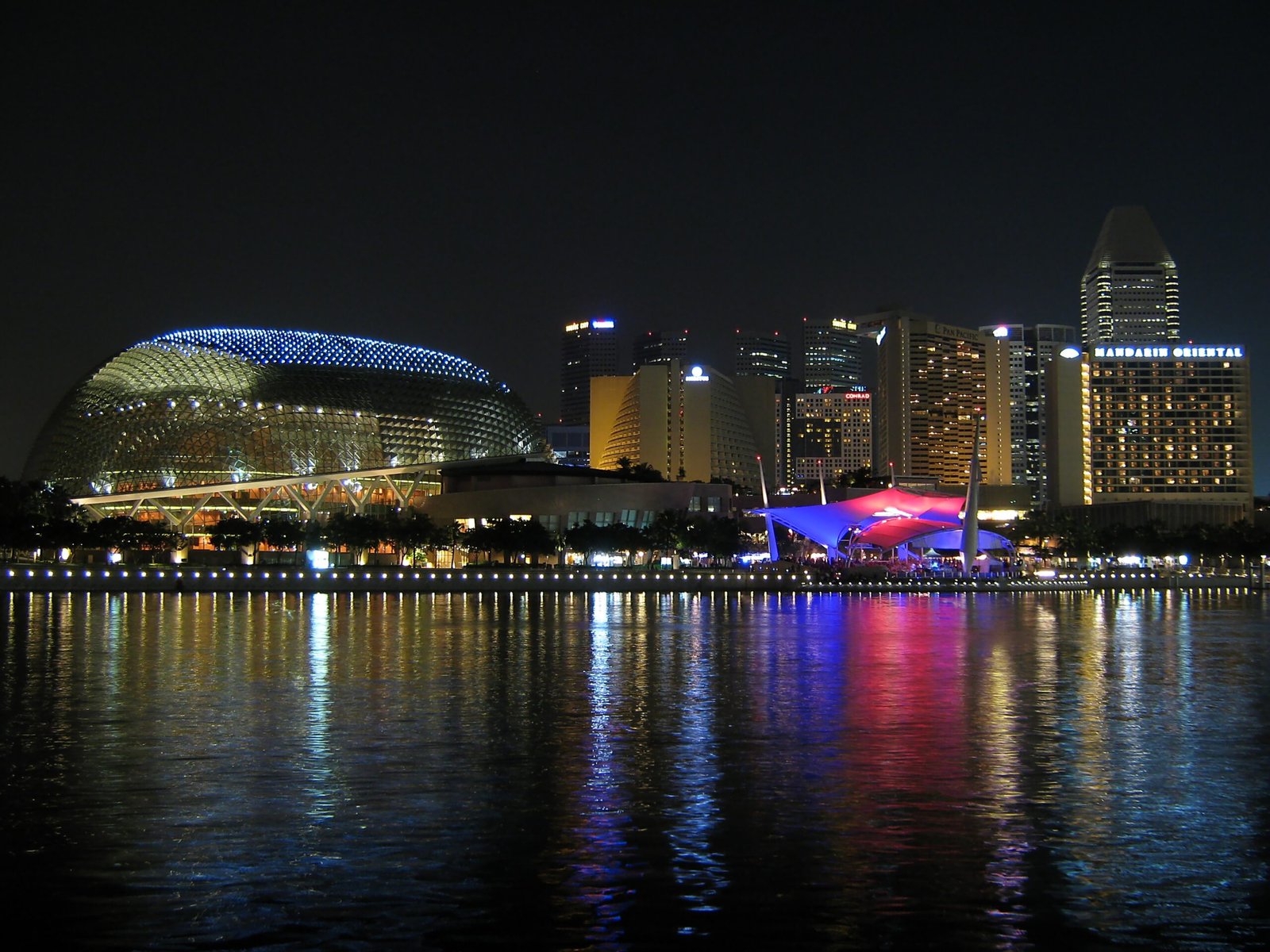
Noctourism in 2026: How to Explore Cities at Night Safely and Beat the Heat
Night travel is no longer just about bars and clubs. In 2026, more travelers are planning museum evenings, sunset walks, stargazing, night markets, late-opening landmarks, and guided after-dark tours. This trend is often called noctourism. It is gaining attention for a simple reason: cities can feel cooler, calmer, and visually different after sunset.
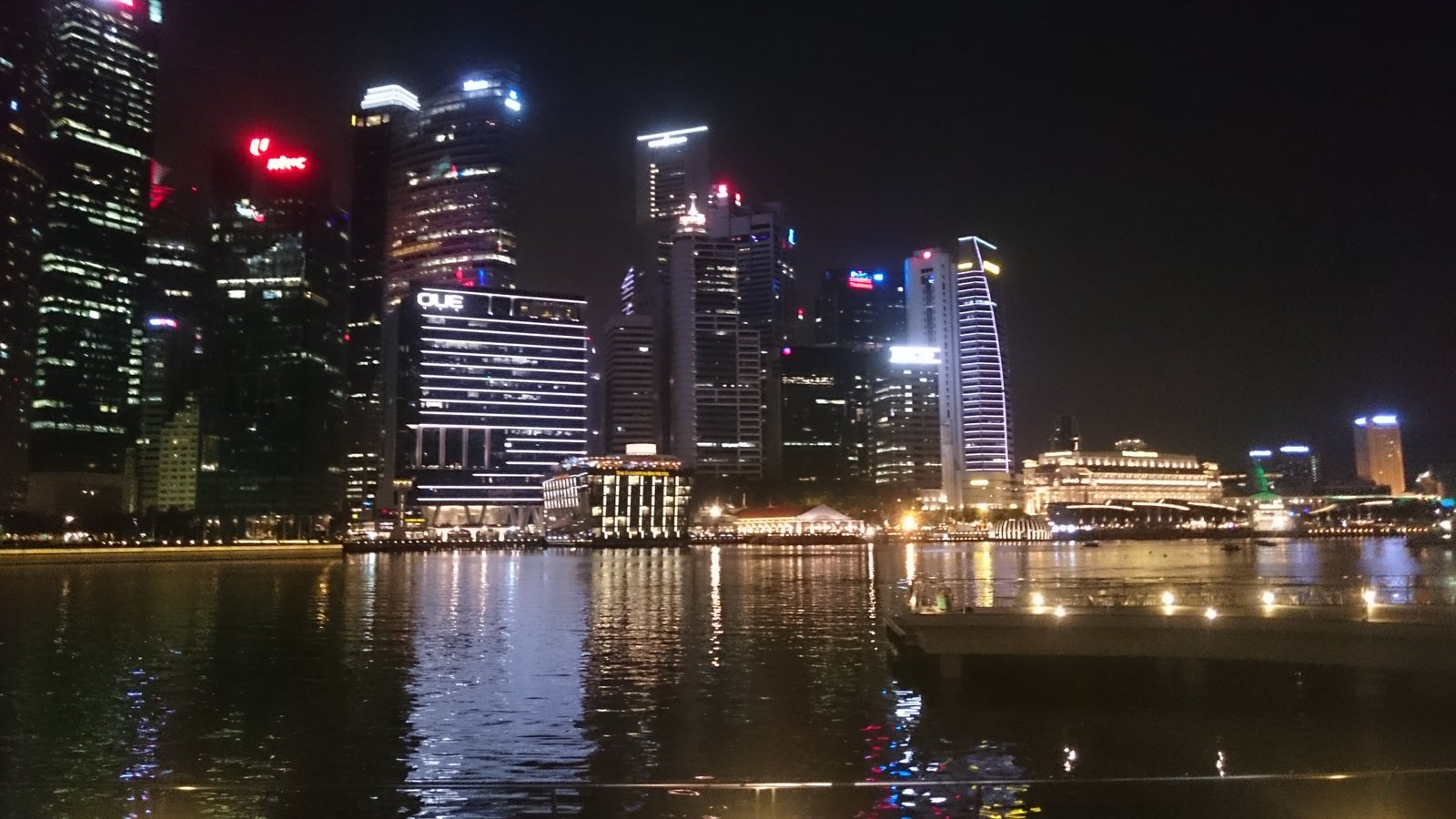
That does not mean every daytime activity should be moved to midnight. The best night itinerary is deliberate. You need safe transport, realistic opening hours, a clear route, and a plan for getting back to your hotel. This guide explains how to use noctourism as a practical travel strategy, especially in hot destinations or crowded cities.
Always check official destination pages, attraction schedules, and local transport operators before heading out. Opening hours and last-train times can change by season or day of the week.
What Is Noctourism?
Noctourism means traveling or sightseeing after dark as a main part of the experience. It can include:
- Night markets
- Late museum openings
- Illuminated historic areas
- Sunset and evening cruises
- Stargazing
- Night safaris
- After-dark walking tours
- Evening food tours
- Night photography
- Concerts or cultural performances
The idea is not new, but travelers are using it more intentionally. Rising daytime temperatures in some destinations, crowded attractions, and interest in immersive local experiences all make evening travel more appealing.
Why Night Sightseeing Can Improve a Trip
Cooler Temperatures
In hot destinations, walking after sunset can be much more comfortable than exploring at 2 p.m. This is especially useful in parts of southern Europe, the Middle East, and Asia during warmer months.
Fewer Day-Trip Crowds
Some historic districts become quieter after tour buses leave. You may still see local evening crowds, but the experience can feel less rushed.
Different Atmosphere
Lighting changes architecture, waterfronts, plazas, and old streets. A place you saw at noon can feel completely different after sunset.
More Flexible Days
Night activities let you rest during the hottest hours or spend midday indoors. That can make a long trip less exhausting.
Step 1: Check Whether the Destination Actually Works at Night
Do not assume every tourist area stays active after dark. Some places close early. Others become lively only after 8 p.m.
Research These Five Things
- Last entry time for attractions
- Public transport operating hours
- Whether the area is active after dark
- Availability of licensed taxis or ride-hailing
- Lighting and pedestrian access
A famous viewpoint may be beautiful at sunset but unsafe or inaccessible after the official closing time. Always respect barriers and posted hours.
Step 2: Build a Short Night Route
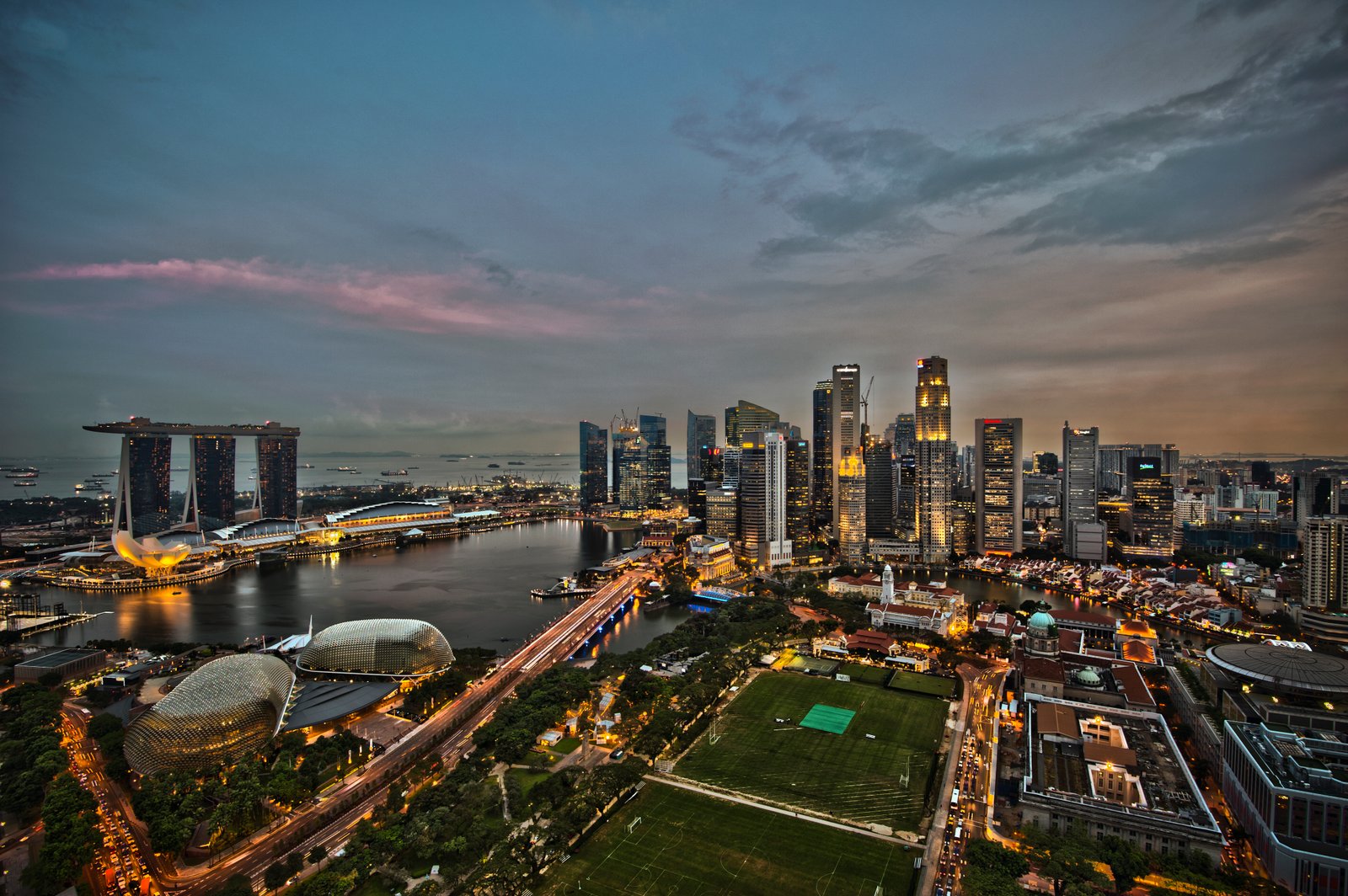
A good night route is compact. You do not want to cross a large city several times after transport frequency drops.
Choose two or three stops in one area. For example:
- Sunset viewpoint
- Dinner or food market
- Illuminated landmark
Then return to your hotel using one simple route.
Realistic Example
Suppose you are in a hot Mediterranean city. Instead of visiting the old town at midday, spend the afternoon in a museum. Return to the hotel for a break. Go out around sunset, walk the historic center, eat dinner nearby, and take a direct metro or taxi back. This reduces heat exposure and avoids needless backtracking.
Step 3: Decide Your Return Transport Before You Leave
This is one of the most important night-travel habits. Do not wait until 12:30 a.m. to learn that the metro stopped at midnight.
Before Going Out, Confirm
- Last metro or train
- Night-bus routes
- Taxi stands
- Ride-hailing availability
- Estimated walking time
- Whether your hotel reception is open late
Save the hotel address offline in the local language when useful. A screenshot can help if your connection fails.
Step 4: Use the “One-Way Safety Check”
Before committing to a night stop, ask: if my phone battery dies or the train stops, can I still get back safely?
If the answer depends on one fragile option, choose a different route or finish earlier. This simple test is more useful than generic advice like “be careful.”
Step 5: Protect Your Phone Battery
At night, your phone does more work. You may use maps, translation, tickets, camera, transport apps, and ride-hailing.
Battery Plan
- Leave the hotel with at least 70% battery when possible.
- Carry a small power bank.
- Download offline maps.
- Save your hotel address.
- Lower screen brightness when you do not need it.
- Avoid filming long videos if your battery is low.
Step 6: Dress for Temperature Changes
A city that feels hot at sunset can turn cool near the water or after midnight. Carry one light layer if the forecast suggests a drop.
Comfortable shoes matter even more at night because uneven streets, steps, and dim lighting can make poor footwear a problem.
Step 7: Choose Well-Lit, Active Areas
Night travel does not require staying only on the busiest tourist street, but avoid shortcuts through empty parks, unlit alleys, isolated beaches, or construction zones when you do not know the area.
If locals are leaving an area and businesses are closing, treat that as useful information. You do not need to stay just because a map says the attraction is nearby.
Step 8: Be Careful With Alcohol
Night tourism can include bars, wine tastings, or nightlife. Keep your transport plan realistic if you drink.
- Do not drive.
- Keep control of your drink.
- Know how you are getting home before drinking heavily.
- Stay with your group in unfamiliar areas.
- Avoid walking long distances alone when impaired.
The goal is not to remove fun. It is to avoid turning a good night into a preventable problem.
Night Markets: How to Enjoy Them Without Wasting Time
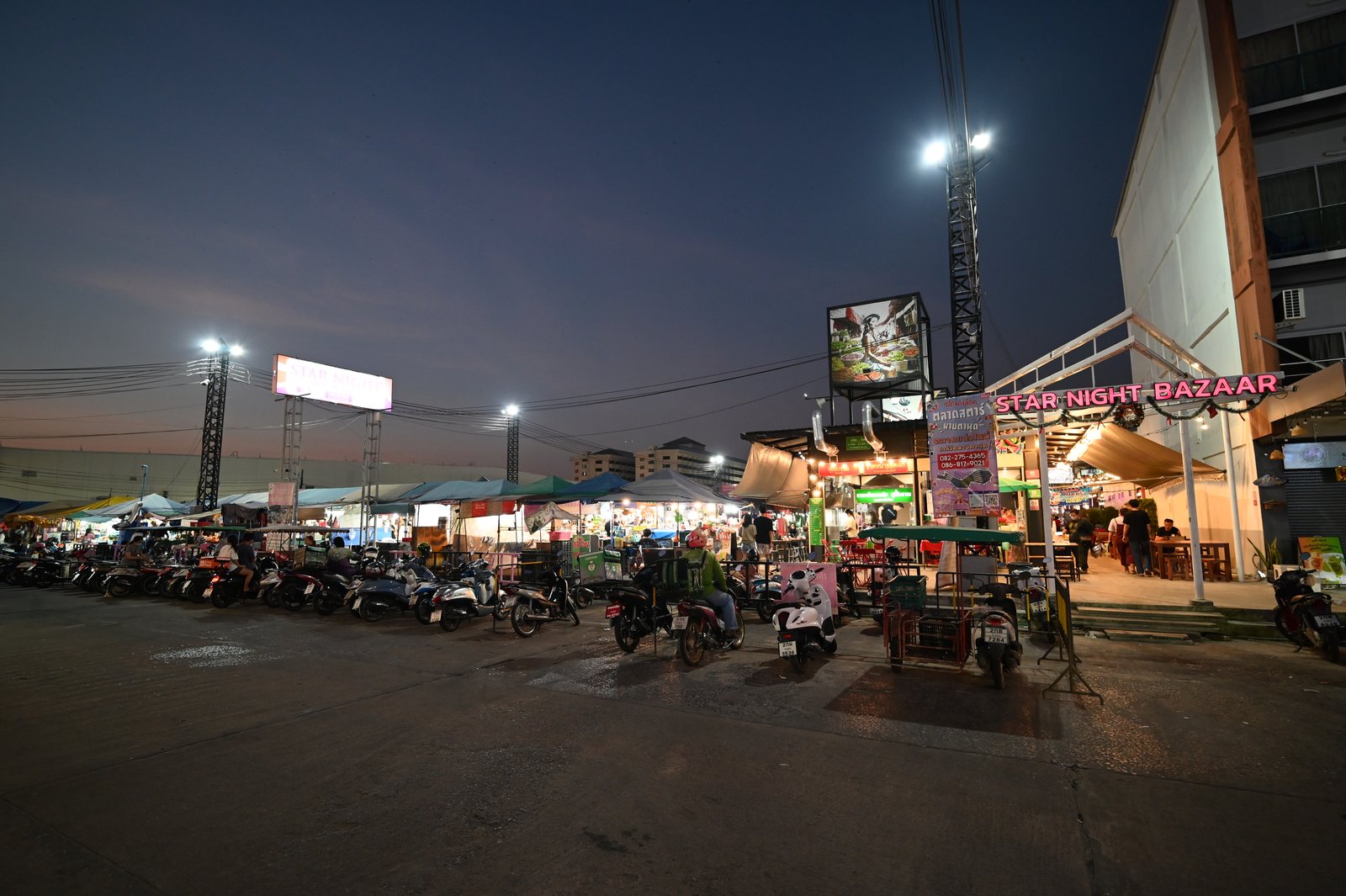
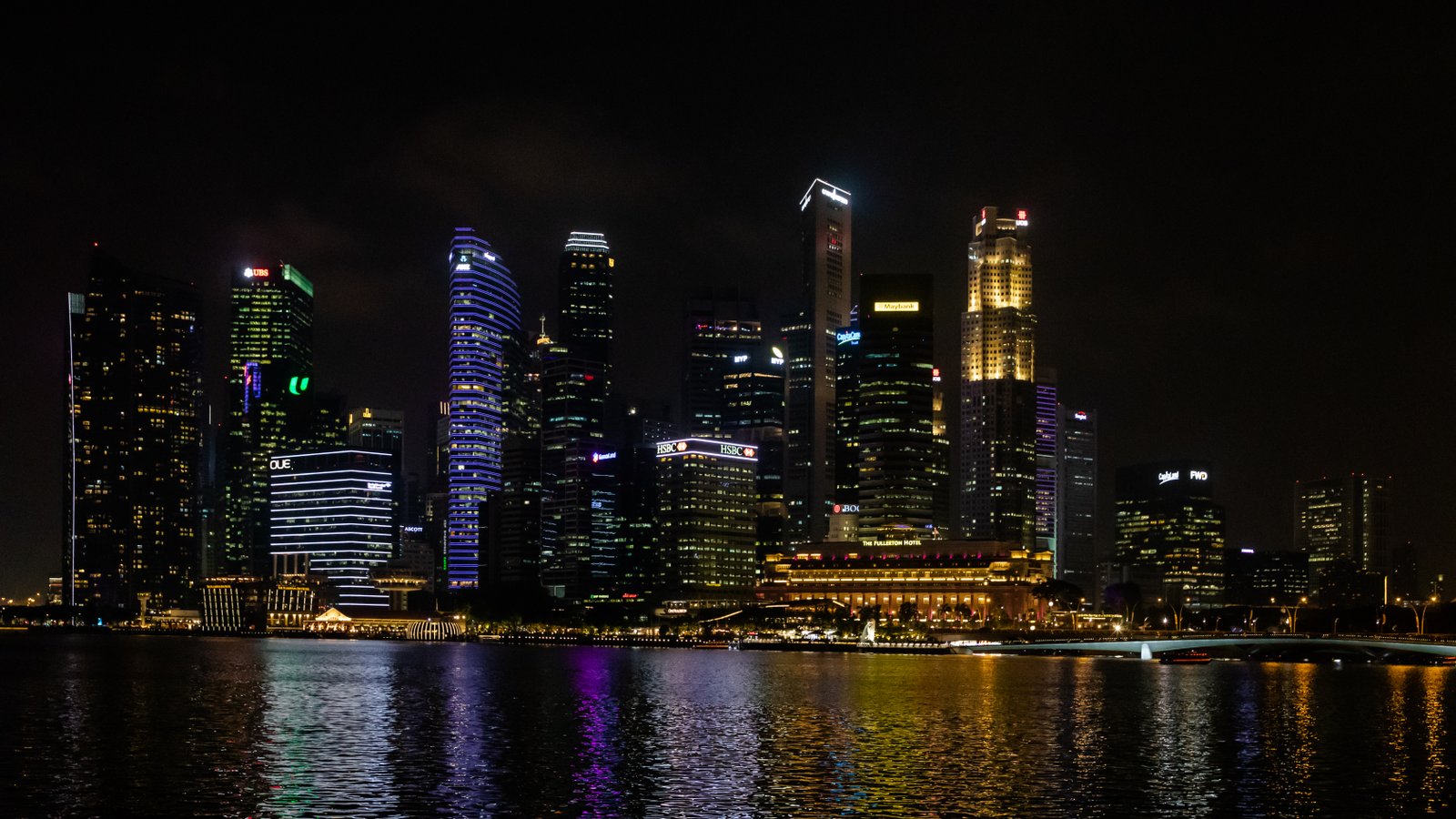
Night markets can be one of the best ways to combine food, local shopping, and atmosphere. They can also be crowded and repetitive if you arrive without a plan.
Smart Night-Market Strategy
Walk one full loop before buying a large meal. You will see what is available, compare queues, and avoid filling up at the first stall. Carry small local currency where cards are not widely accepted.
Look for stalls that cook food fresh and have steady customer turnover. Follow local food-safety guidance and avoid food that has been sitting unrefrigerated for long periods.
Late-Opening Museums and Galleries
Some museums offer late hours on specific evenings. This is a strong option because it moves an indoor activity away from the middle of the day and can free daylight for outdoor sightseeing.
Check the official museum website instead of relying on an old travel article. Late openings may be seasonal or limited to one day per week.
Why This Works Well
A late museum visit is also easy for solo travelers. It is structured, well-lit, staffed, and usually close to transport.
Stargazing: One of the Best Forms of Noctourism
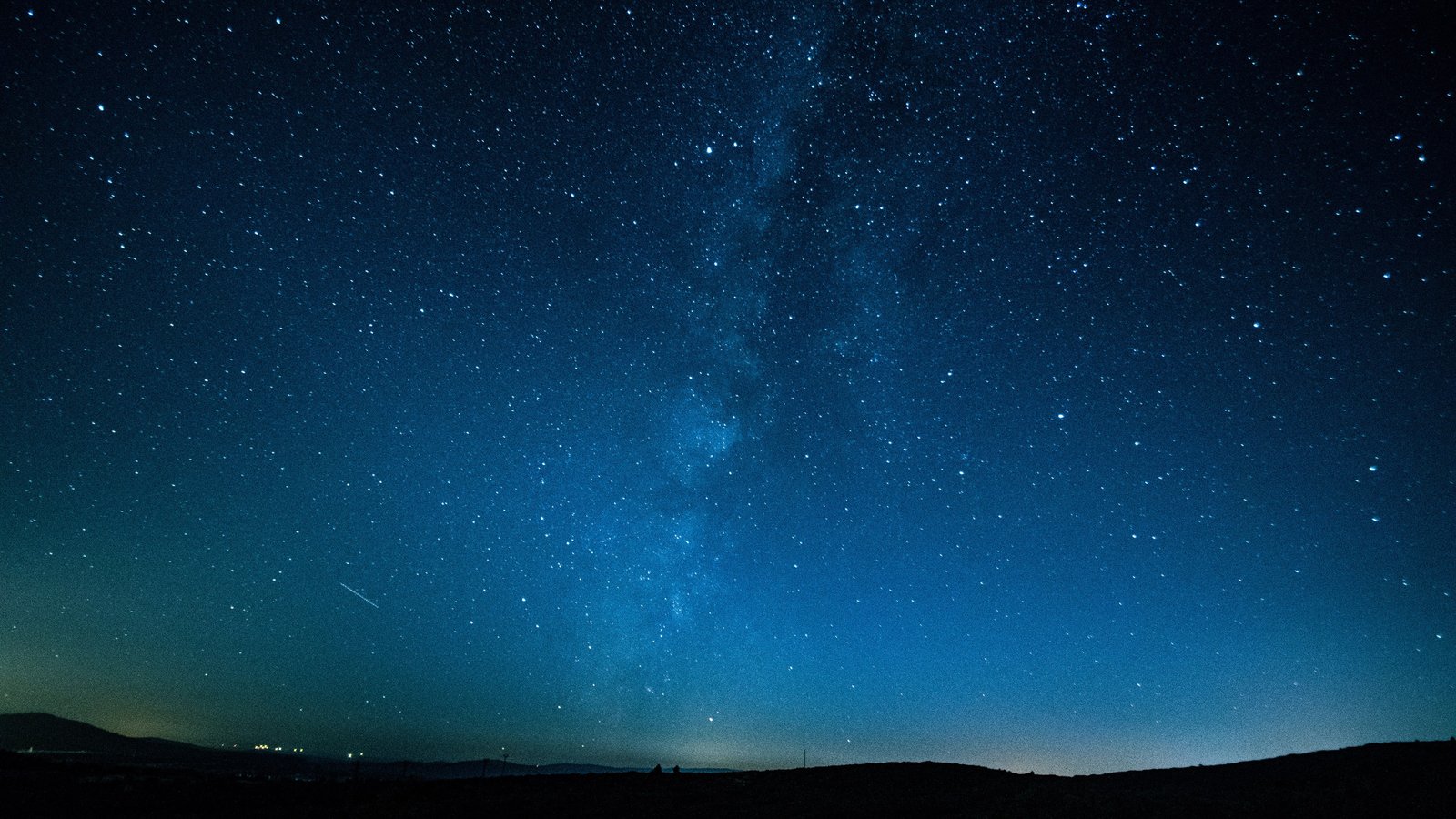
Stargazing is a strong 2026 travel interest, but it requires more planning than city sightseeing.
Check These Conditions
- Cloud cover
- Moon phase
- Light pollution
- Road access
- Temperature
- Park or reserve rules
If you are going to a remote dark-sky area, a guided tour can be safer than self-driving on unfamiliar rural roads late at night.
Night Photography Without Carrying Too Much Gear
You do not need professional equipment for useful night photos.
With a Phone
- Clean the lens before shooting.
- Use night mode when available.
- Hold the phone against a wall or railing for stability.
- Avoid digital zoom.
- Tap the brightest area to control exposure.
With a Camera
A small tripod can help, but check whether tripods are allowed. Some museums, rooftops, and crowded squares restrict them.
Destination Example: Kyoto After Dark
Kyoto is a good example of why night sightseeing can work. Famous areas can be extremely busy during the day, while evenings can feel calmer. Historic districts such as Gion require respectful behavior because they are living neighborhoods, not film sets.
Use Kyoto City Official Travel Guide for current visitor guidance, rules, and seasonal information. Respect photography restrictions and private property.
Destination Example: Singapore
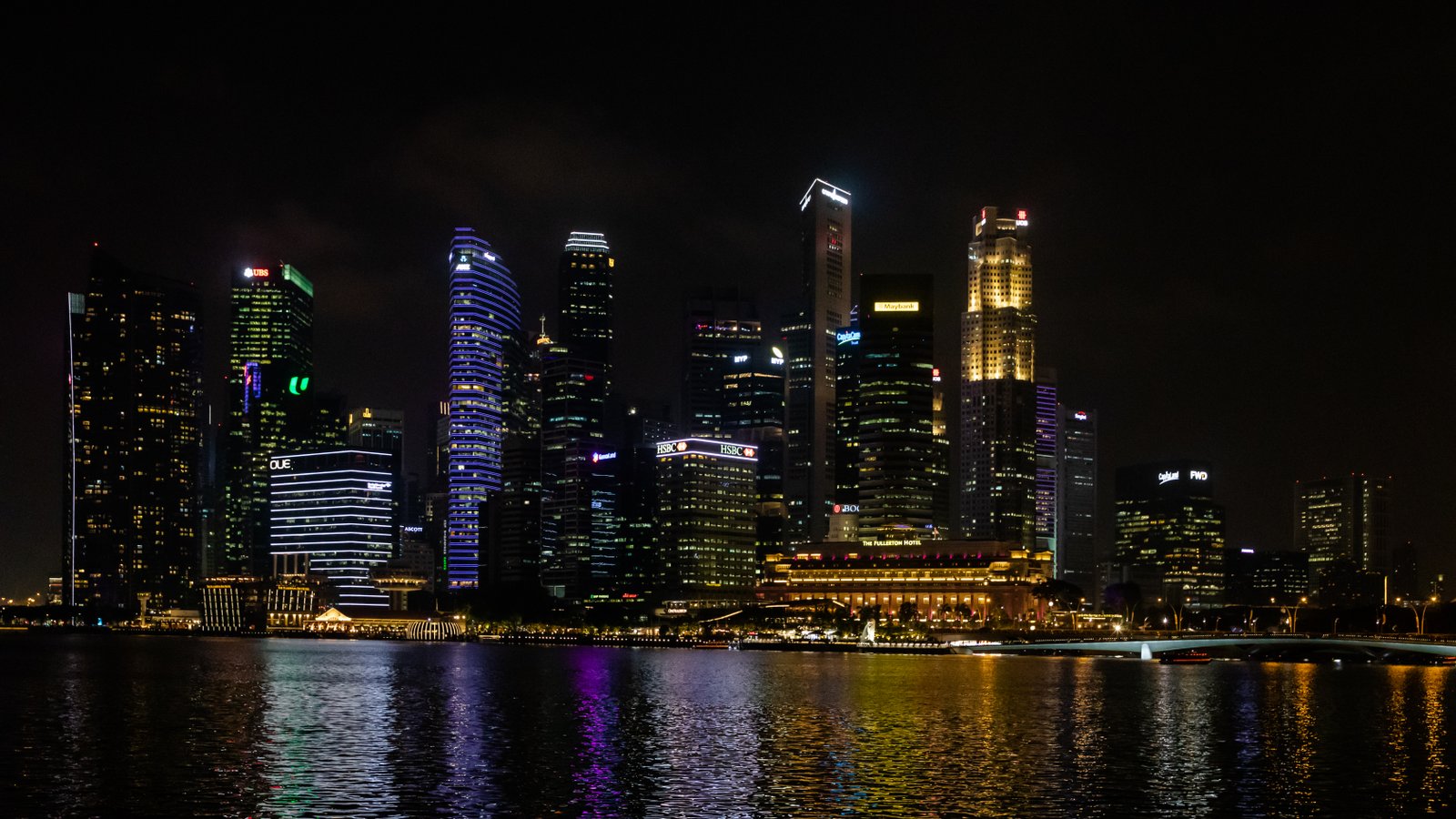
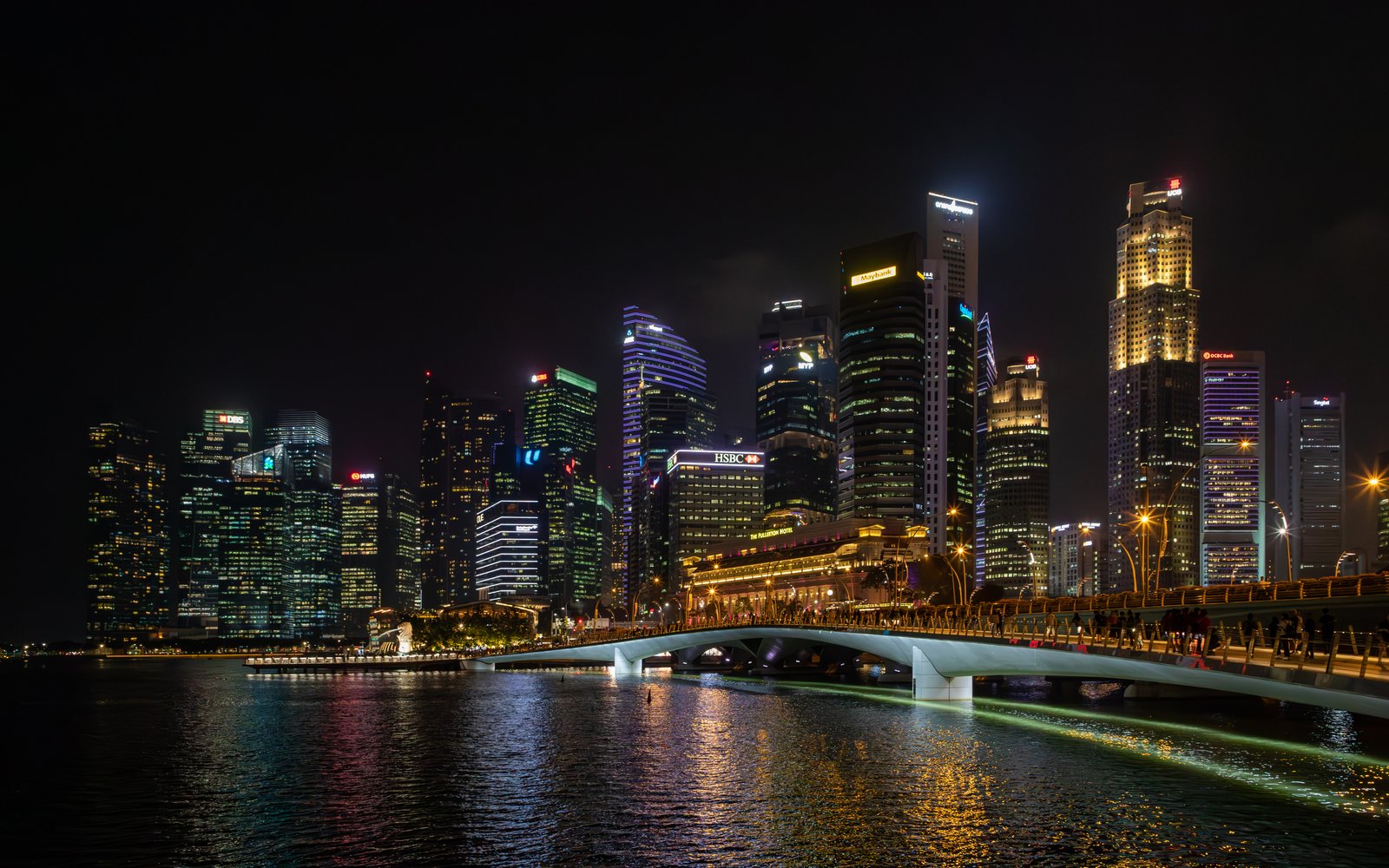
Singapore is well suited to evening travel because public areas are well lit, transit is efficient, and many attractions operate into the evening. Waterfront walks and food centers can be more comfortable after the daytime heat drops.
Use Visit Singapore for current attraction and event information.
Practical Plan
Spend midday at an indoor attraction, take a late-afternoon rest, then visit a hawker center followed by a waterfront walk. Check the last MRT timing before staying out late.
Destination Example: Dubai
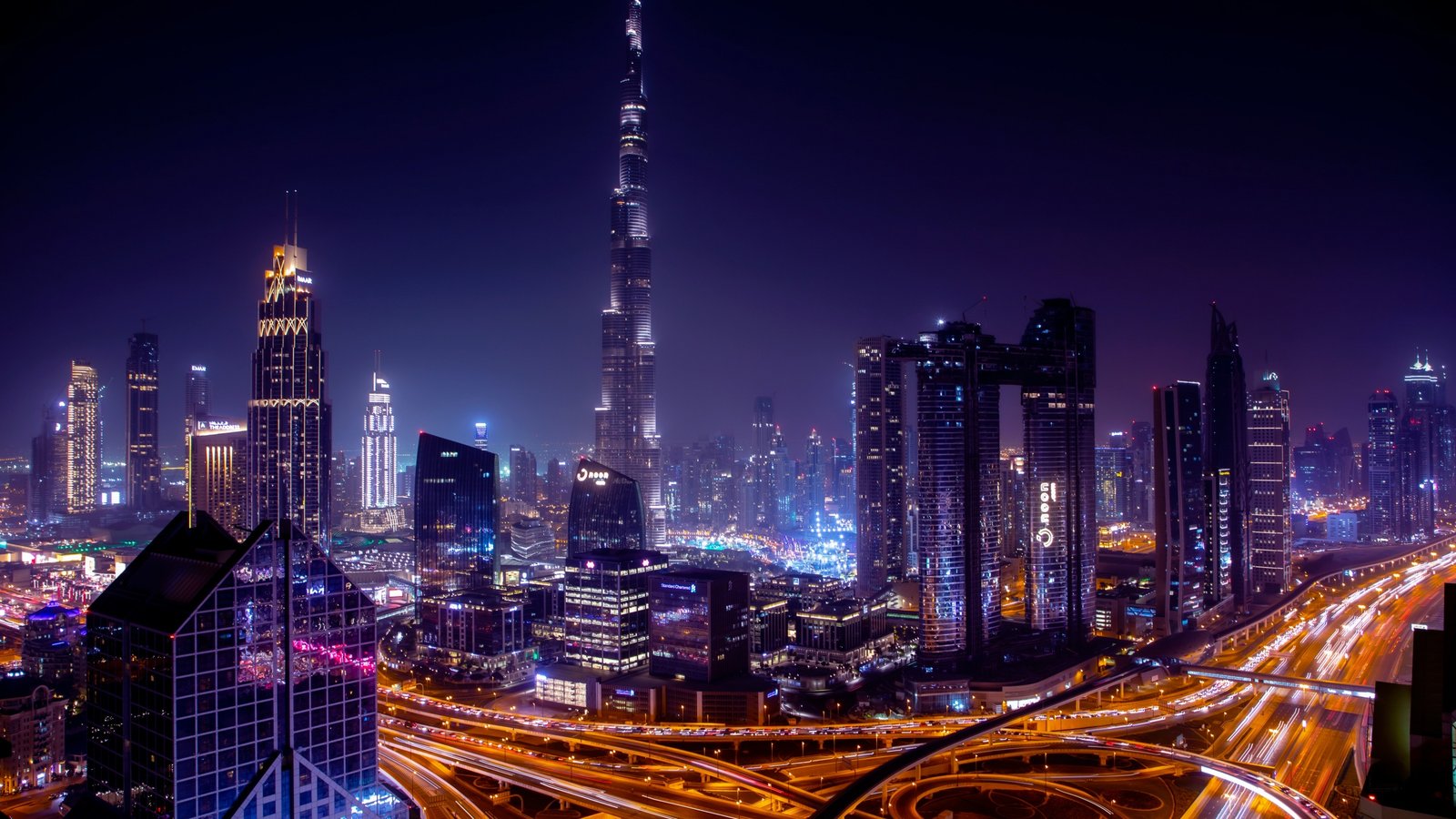
Dubai is another destination where evening planning can be useful, especially in warmer periods. Malls, dining areas, waterfront districts, and some attractions stay active late.
Check Visit Dubai for current operating hours and seasonal events.
Even when a city feels active at night, heat can remain high. Hydration and sun exposure during the day still matter.
Destination Example: New York City
New York offers museums, observation decks, Broadway, restaurants, and illuminated landmarks after dark. The challenge is not finding something to do; it is avoiding an overpacked night.
Use the Metropolitan Transportation Authority for current subway service changes because late-night maintenance can alter routes.
How Solo Travelers Can Plan Safer Night Sightseeing
Solo travel does not mean you must return to the hotel at sunset. It does mean your backup plan matters more.
Useful Solo Habits
- Share your evening plan with someone you trust.
- Keep your phone charged.
- Use busy transport stops.
- Do not advertise that you are carrying large amounts of cash.
- Choose licensed transport.
- Stay aware when using headphones.
- Leave any situation that feels wrong without worrying about being polite.
How Families Can Use Noctourism
Families can benefit from evening sightseeing too, especially in hot climates. The key is sleep and transport.
Do not plan a late night immediately before a 6 a.m. tour. Choose one or two special evenings during the trip and keep the next morning slower.
Night markets, illuminated gardens, early-evening cruises, and cultural shows can be easier with children than midnight walking tours.
Heat-Smart Day Planning
Noctourism works best when it changes the whole day, not just the evening.
A Practical Hot-Weather Schedule
- 7:30 a.m.: Outdoor sightseeing
- 11:30 a.m.: Lunch
- 1:00 p.m.: Museum, mall, hotel rest, or indoor activity
- 5:30 p.m.: Early dinner or sunset stop
- 7:00 p.m.: Evening sightseeing
- 10:00 p.m.: Return transport
This reduces time in peak heat and gives your body a break.
Common Noctourism Mistakes
Assuming a Popular Area Is Safe at Every Hour
Conditions can change late at night. Check current local advice and transport.
Forgetting Last Entry
An attraction may close at 10 p.m. but stop admitting visitors at 9 p.m.
Using an Isolated Shortcut
A ten-minute saving is not worth an uncomfortable route in an unfamiliar city.
Overloading the Night
Sunset, dinner, market, rooftop, museum, and a show in one evening is too much for most travelers.
Ignoring Sleep
Several late nights can damage the rest of your trip. Build recovery time into the next morning.
Night Travel Checklist
- Check opening and last-entry times.
- Confirm the return route.
- Charge your phone.
- Download offline maps.
- Save your hotel address.
- Carry a small power bank.
- Bring water where appropriate.
- Choose a compact route.
- Stay in active, well-lit areas.
- Keep one backup transport option.
A Simple Rule for Choosing a Night Activity
Before adding an after-dark activity, check three things: value, logistics, and recovery. The activity should offer something you cannot get as easily during the day, such as cooler weather, a night market, a performance, or a better atmosphere. The return route should be simple and still operate when the activity ends. Finally, make sure the late finish will not damage the next morning. If an evening plan creates two complicated transfers, a very short sleep window, or a long walk through an unfamiliar quiet area, choose an earlier version or a different activity.
Final Takeaway
Noctourism can make a trip more comfortable and more memorable, but it works best as a planning method rather than a trend to follow blindly. Use night hours to avoid extreme heat, see a different side of a city, enjoy markets and culture, or spend time under dark skies.
The practical rule is simple: plan your return before your evening begins. Keep the route compact, check official hours, protect your phone battery, and choose activities that genuinely improve the trip. When done well, after-dark travel does not replace daytime sightseeing. It gives you another way to experience the destination.
Leave a Reply