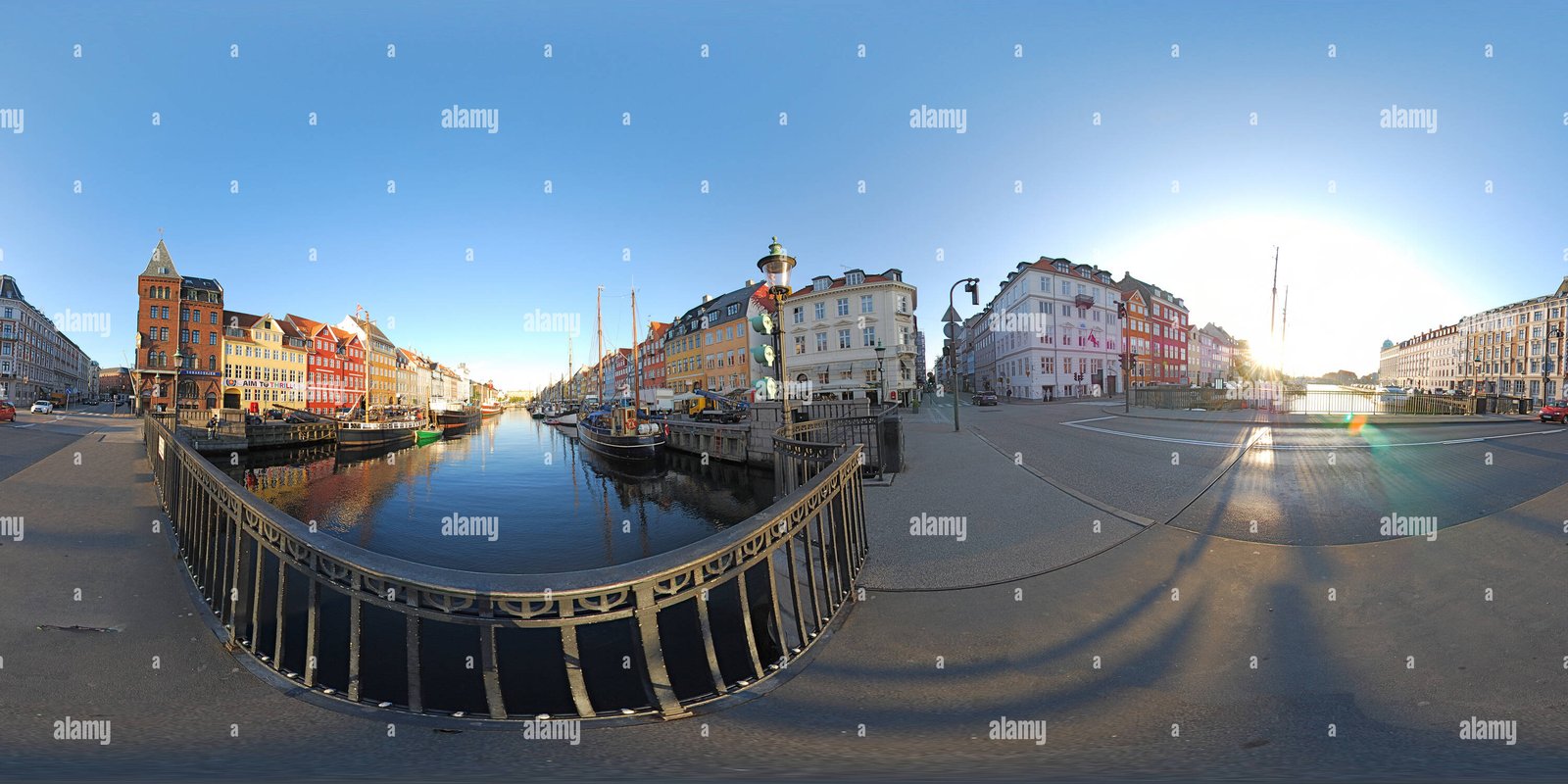
How to Plan a Shoulder-Season Europe Trip in 2026 Without Overpaying
Europe is not automatically cheap outside summer, but shoulder season can give you a better balance of price, weather, and crowds. In 2026, more travelers are looking beyond peak July and August trips because popular cities are crowded, heat can be intense, and hotel rates can rise fast. Fall and spring can solve some of those problems, but only if you plan around local weather, school holidays, major events, and seasonal closures.
This guide shows you how to build a shoulder-season Europe trip step by step. It is for travelers who want to save money without ending up in a destination when half the attractions are closed or the weather ruins the plan. You will learn how to choose dates, compare regions, book transport, pick hotels, pack, and create a flexible daily schedule.
For official entry rules and destination information, always check the relevant national tourism office and government pages before travel. For EU travel basics, Your Europe is a useful starting point.
What Counts as Shoulder Season in Europe?
There is no single shoulder season for the whole continent. The best dates depend on where you are going.
For many central and northern European cities, shoulder periods often fall in April to May and September to October. Mediterranean destinations may stay warm later into fall, while Alpine regions can enter a quiet gap between summer hiking and winter ski seasons. Islands can also have different ferry schedules and business hours outside peak months.
Why This Matters
If you simply choose “October” because a blog says it is shoulder season, you may still hit a festival weekend with high hotel prices. Or you may arrive at a coastal town where beach clubs, ferries, and seasonal restaurants have already reduced service.
Think in terms of a destination-specific shoulder season, not a Europe-wide rule.
Step 1: Pick the Experience Before the Destination
Start by deciding what you want from the trip. This makes it easier to choose a region and month.
- Museums and city walking: Copenhagen, Vienna, Paris, Madrid, Berlin, Prague, and similar cities can work well in cooler months.
- Food and wine: Harvest periods in parts of Italy, Spain, France, and Portugal can add seasonal interest.
- Coast and swimming: Aim for earlier fall or later spring in southern Europe rather than late October.
- Hiking: Check trail, lift, and weather conditions carefully in mountain areas.
- Christmas markets: These are not shoulder season in the usual sense. Demand can be very high in late November and December.
A traveler who wants galleries, cafes, and architecture can accept a rainy day more easily than someone planning a beach holiday. That one decision should guide the rest of the trip.
Step 2: Compare Three Date Windows, Not One
Do not search flights for only one weekend. Compare at least three nearby windows. For example, if you want a fall trip, compare late September, early October, and late October.
What to Compare
- Round-trip airfare
- Hotel rates for the same neighborhoods
- Average daylight
- Expected temperature and rain
- Local holidays and school breaks
- Major concerts, conferences, festivals, or sports events
A flight that is $80 cheaper can be a bad deal if hotels are $70 more per night because of a major event.
Step 3: Use a Total-Trip Price, Not a Flight-Only Price
Cheap airfare is attractive, but it is only one part of the trip. Build a quick spreadsheet or note with these costs:
- Flights
- Airport transport
- Accommodation
- Intercity trains or buses
- Attraction tickets
- Travel insurance
- Daily food estimate
- Local transit
- Baggage fees
Then compare destinations using the total. A city with a slightly more expensive flight but cheaper hotels and better public transport may be the lower-cost trip overall.
Real-World Example
Imagine you are choosing between Paris and Vienna for five nights. Paris has a cheaper flight, but the central hotel you want costs much more. Vienna’s airfare is higher, yet the hotel and airport transfer are cheaper. Once you add the whole trip, Vienna may cost less. The correct decision is based on the total, not the first number you see in a flight search.
Step 4: Check Local Calendars Before Booking Hotels
This is one of the most overlooked travel steps. Search the official city calendar and the local convention or events calendar.
Large trade fairs can fill hotels in cities such as Frankfurt, Milan, Barcelona, and Paris. Football matches can also raise demand in some areas. Fashion weeks, marathons, festivals, and school holidays can change prices quickly.
A Simple Rule
If hotel prices look unusually high for a shoulder-season date, do not assume the city is simply expensive. Check what is happening that week.
Step 5: Choose a Base That Reduces Transport Waste
A cheaper hotel far from the center is not always cheaper in practice. You may spend more on daily transport and lose one or two hours each day.
Look for neighborhoods near a metro, tram, or main rail line. You do not need to stay beside the biggest landmark. You do need to be able to reach the places you care about without awkward transfers.
Good Location Test
Before booking, open a map and check the route from the hotel to three places you know you will visit. If every trip needs multiple changes or a long walk at night, reconsider the hotel.
Step 6: Book Rail Based on the Country
Europe does not have one universal rail system. Use official operators whenever possible.
Examples include SNCF Connect in France, Trenitalia in Italy, Deutsche Bahn in Germany, and ÖBB in Austria.
High-speed and long-distance fares may rise closer to departure. Regional trains often work differently. Read the fare rules before choosing the cheapest ticket because low fares can be non-refundable or tied to one departure.
When a Rail Pass Makes Sense
A rail pass can be useful for a trip with many long-distance journeys and a need for flexibility. It is not automatically the cheapest choice. Compare the pass price with point-to-point tickets for your actual route.
Step 7: Use Open-Jaw Flights for Multi-City Trips
If you plan to visit several cities, check whether you can fly into one city and home from another. This is often called an open-jaw itinerary.
For example, you could fly into Rome, travel north by train, and fly home from Milan. That avoids spending time and money returning to Rome only to catch a flight.
When It Helps Most
Open-jaw flights are especially useful when your route moves in one clear direction. They are less useful when the arrival and departure airports have much higher fares than a standard return ticket. Compare both options.
Step 8: Build a Weather-Proof Itinerary
The main trade-off of shoulder season is weather. The solution is not to predict every rainy day. It is to create days that can be rearranged.
Use the Indoor-Outdoor Pairing Method
For each day, pair one outdoor activity with one indoor activity. For example:
- Old-town walk + art museum
- Market visit + palace tour
- Park + food hall
- River walk + historic church or gallery
If rain arrives, reverse the order. You still get most of the day without losing prepaid tickets.
Step 9: Pack for Layers, Not One Forecast
Shoulder-season forecasts can swing. A morning may feel cold, midday can be warm in the sun, and evening may turn windy.
Useful Packing List
- Light waterproof jacket
- One warm mid-layer
- Comfortable water-resistant shoes
- Compact umbrella
- Light scarf
- Quick-dry basics
- Small day bag
- Portable power bank
Avoid packing several bulky coats. Layers give you more combinations with less luggage.
Step 10: Check Daylight Before Planning Day Trips
Fall daylight gets shorter as you move north. A scenic day trip that works easily in September may feel rushed in late October.
Use sunrise and sunset times when building outdoor days. Start nature-focused trips earlier and keep museums or restaurants for the evening.
How to Save on Food Without Eating Poorly
Food is one of the easiest areas to control without making the trip worse.
Use a Two-Level Meal Strategy
Choose one meal each day where you spend more, then keep the other meals simple. A bakery breakfast, market lunch, or grocery-store picnic can balance a nicer dinner.
In 2026, grocery-store tourism has also become a real travel trend. Visiting a local supermarket can be useful, not just cheap. You see regional snacks, drinks, produce, and everyday products that may never appear in tourist restaurants.
Avoid Eating Beside the Main Landmark by Default
Walk a few streets away and check menus before sitting down. Tourist zones are not always bad, but they often charge more for location.
How to Avoid Shoulder-Season Closures
City attractions usually operate year-round, but coastal towns, islands, and mountain destinations can reduce services.
Check These Before Booking
- Ferry frequency
- Cable car or lift schedules
- Seasonal hotels
- Beach facilities
- Mountain huts
- Guided tours
- Restaurant opening days
Always check the official website for the specific attraction. Third-party listings can keep outdated hours.
Travel Insurance Matters More When Plans Depend on Weather
Insurance does not remove all risk, and not every policy covers the same situations. Read the policy before buying.
Look at medical coverage, trip interruption, cancellation terms, baggage, and any exclusions that apply to activities such as hiking, skiing, or rental cars. Do not assume the cheapest policy offers the protection you need.
Should You Prebook Attractions?

Prebook only the places where it clearly helps. Shoulder season can mean shorter lines, so you may not need a rigid schedule.
Book Ahead When
- The attraction has limited entry slots.
- You are visiting on a weekend.
- It is a famous site with year-round demand.
- You need a specific guided tour.
Stay Flexible When
- Weather strongly affects the experience.
- Tickets are widely available on the day.
- You are unsure how much energy you will have.
A 7-Day Shoulder-Season Europe Planning Template
Here is a realistic structure for a one-week trip with two bases:
- Day 1: Arrival, neighborhood walk, early dinner.
- Day 2: Main city sights and one museum.
- Day 3: Local neighborhood, food market, flexible attraction.
- Day 4: Train to second city, easy evening.
- Day 5: Major sights and one booked experience.
- Day 6: Weather-dependent day trip.
- Day 7: Free morning and departure.
This format avoids moving hotels every night and keeps one day flexible for weather.
Common Shoulder-Season Mistakes
Booking Only for the Lowest Price
A cheap date with poor transport, closures, or very short daylight may not be good value.
Assuming Fewer Crowds Means No Crowds
Major attractions in Paris, Rome, Amsterdam, and Barcelona can stay busy all year. Book essential sites if missing them would ruin the trip.
Packing for Winter When You Need Layers
Heavy luggage is annoying on trains and cobbled streets. Pack items you can combine.
Changing Cities Too Often
Every hotel change uses time. For a seven-day trip, two bases are often enough.
Ignoring Local Events
A conference or festival can erase the savings you expected from traveling off-peak.
How Far Ahead Should You Book?
There is no perfect number of months, but start tracking flights and hotels early enough to understand normal prices. If your dates include weekends, school breaks, or a major event, book sooner.
For flexible travelers, price alerts can help. For travelers with fixed vacation dates, waiting for a dramatic last-minute discount can be risky because the best-located hotels may disappear first.
Final Takeaway
A good shoulder-season Europe trip is not simply a summer itinerary moved to October. The season changes daylight, weather, transport, and local opening hours. Plan around those realities and the trip can be calmer, more affordable, and more enjoyable.
Start with the experience you want, compare several date windows, calculate total-trip cost, check events, stay near useful transport, and keep one or two days flexible. Use official rail and attraction websites for current information. Most importantly, leave enough time to enjoy the place rather than using lower crowds as an excuse to schedule even more.
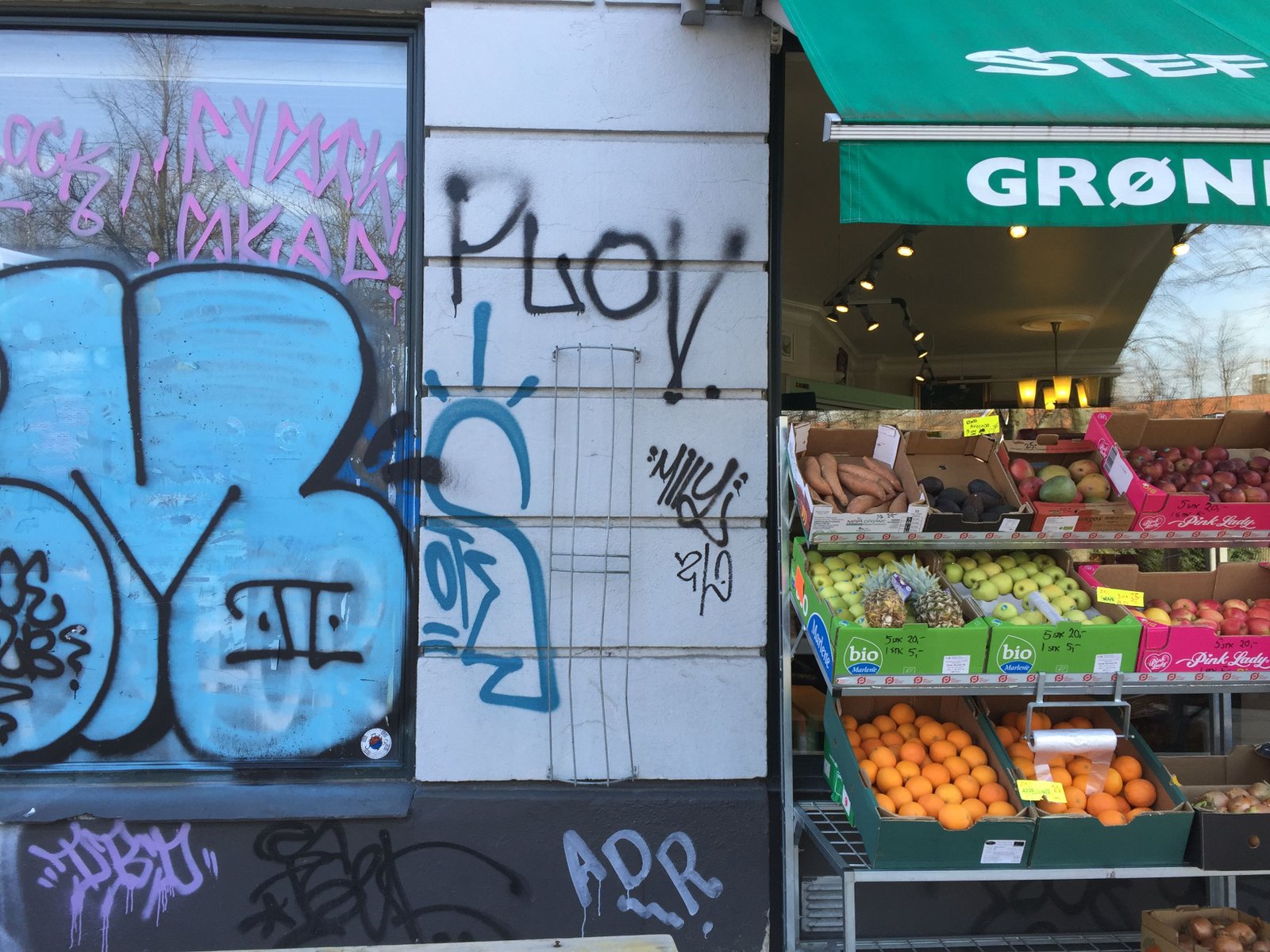
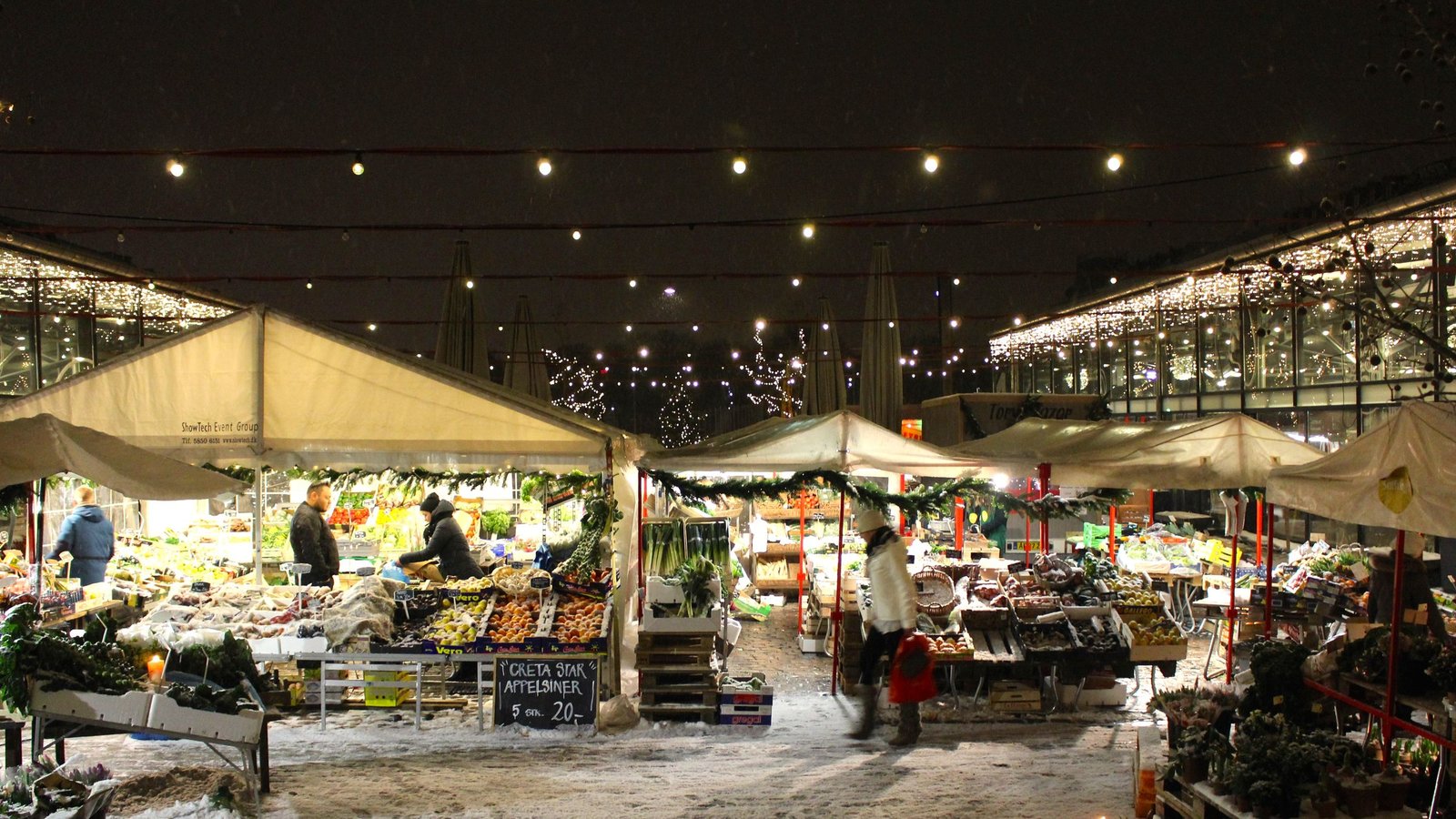
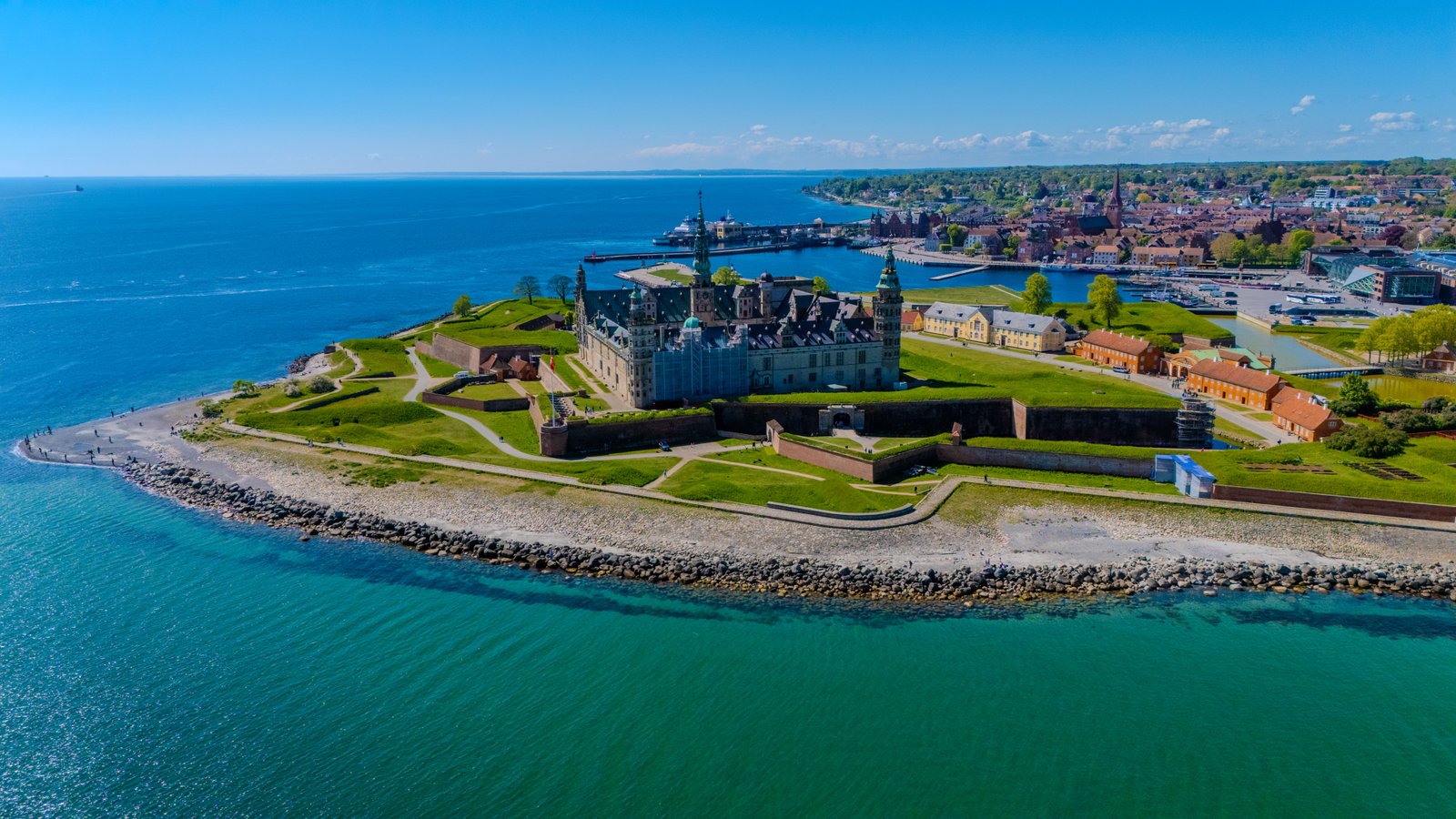
Shoulder-Season Europe Visual Examples

Leave a Reply