Rotorua New Zealand in 2026: A 4-Day Nature, Māori Culture and Wellness Itinerary
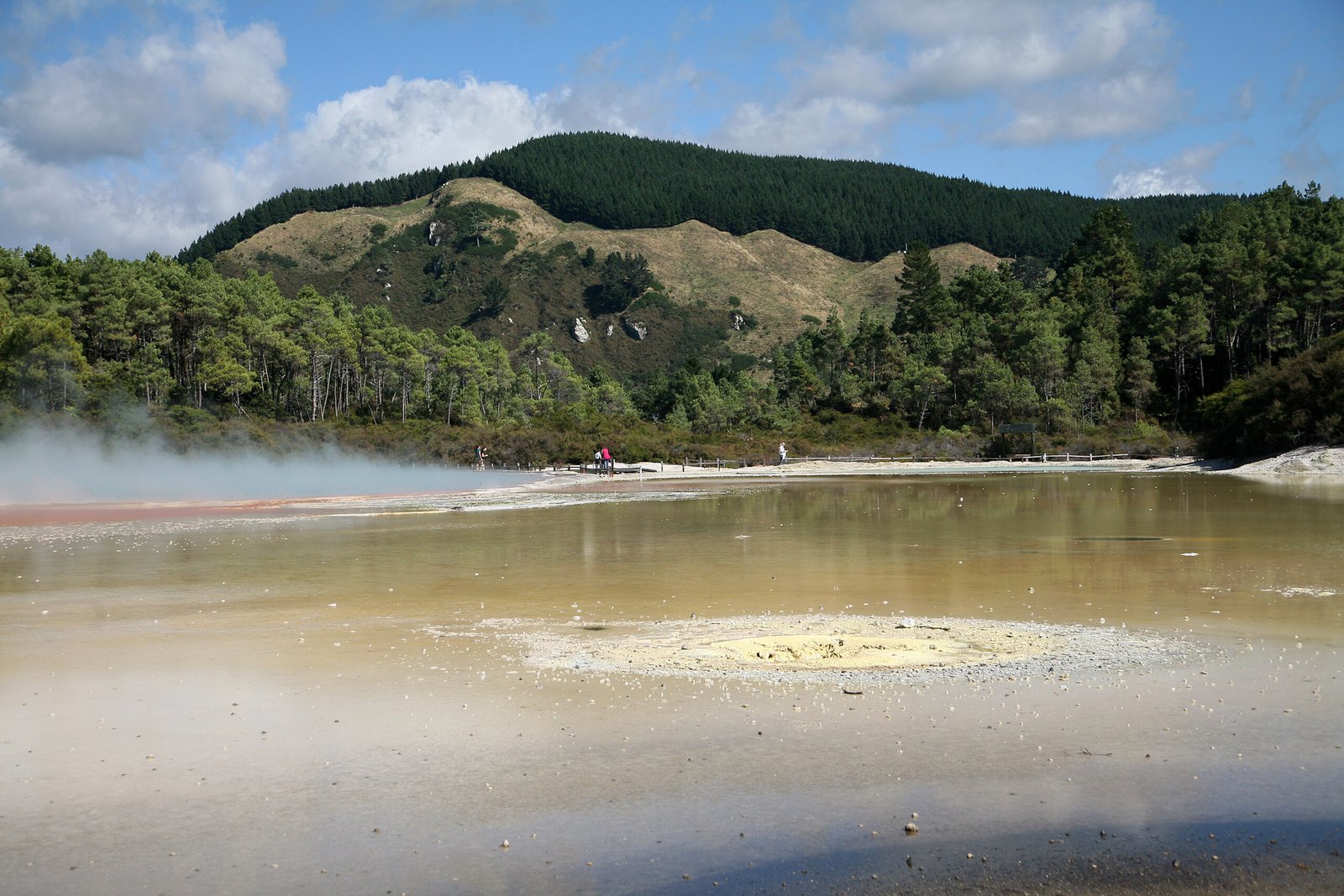
Rotorua is one of those places where the landscape does most of the explaining. Steam rises from the ground. Lakes sit beside forest. Geothermal pools bubble a short drive from the city center. Māori culture is also central to the region, not a side attraction. In 2026, that combination feels especially relevant because travelers are spending more time on nature, wellness, and hands-on local experiences instead of rushing between photo stops.
This four-day guide is designed for a first visit. It balances geothermal sites, Māori culture, forest, lakes, and a proper wellness break. It also explains where a car helps, when you can use shuttles, what to book ahead, and how to avoid turning the trip into an expensive list of attractions.
Use RotoruaNZ for current regional information and Tourism New Zealand for wider travel guidance before your trip.
Why Rotorua Is Worth Visiting in 2026
Rotorua fits several travel trends that have grown stronger in 2026. Visitors are choosing outdoor experiences that feel active but not extreme. They also want cultural activities led by local communities and wellness experiences connected to the landscape. Rotorua naturally combines all three.
You can spend the morning walking around geothermal vents, the afternoon learning about Māori traditions, and the evening soaking in mineral water. The next day can feel completely different, with redwood forest trails, lake views, and a relaxed dinner in town.
Who Will Enjoy Rotorua Most?
Rotorua works well for couples, families, solo travelers, and road trippers. It is especially good if you want more than a city break but do not want a difficult hiking holiday. Many of the best experiences are accessible with short walks, guided visits, or easy drives.
How Long Should You Stay?
Two nights is possible, but it forces you to choose between culture, geothermal areas, and nature. Four days gives you a better rhythm. You can see major highlights without booking morning-to-night activities.
- Day 1: Arrive, lakefront, city walk, and geothermal introduction.
- Day 2: Whakarewarewa or Te Puia, Māori culture, and an evening soak.
- Day 3: Redwoods, lakes, and outdoor activities.
- Day 4: Wai-O-Tapu or Waimangu, slow lunch, and departure.
Day 1: Start Slowly and Learn the Landscape
Walk the Rotorua Lakefront
After check-in, begin with the lakefront rather than heading straight to a paid attraction. This gives you time to adjust after travel and understand the city layout. The water, birdlife, and distant hills make an easy first impression.
Keep the first afternoon flexible. Rotorua has a strong sulfur smell in some areas because of geothermal activity. Most travelers get used to it quickly, but it is better to start gently instead of packing the first day with several tours.
Explore Kuirau Park
Kuirau Park is a useful free introduction to Rotorua’s geothermal character. You can see steaming areas and hot pools without committing several hours or a large ticket cost. Stay on marked paths and respect all barriers. Geothermal ground can be dangerous even when it looks solid.
Have an Early Dinner
If you traveled from Auckland or arrived after a long flight, choose an early dinner and rest. Saving energy for the next three days is more useful than forcing another attraction into the evening.
Day 2: Māori Culture and Geothermal Rotorua
Choose One Main Cultural-Geothermal Experience
Two of the best-known options are Te Puia and Whakarewarewa – The Living Māori Village. They are different experiences, so read current tour descriptions before booking.
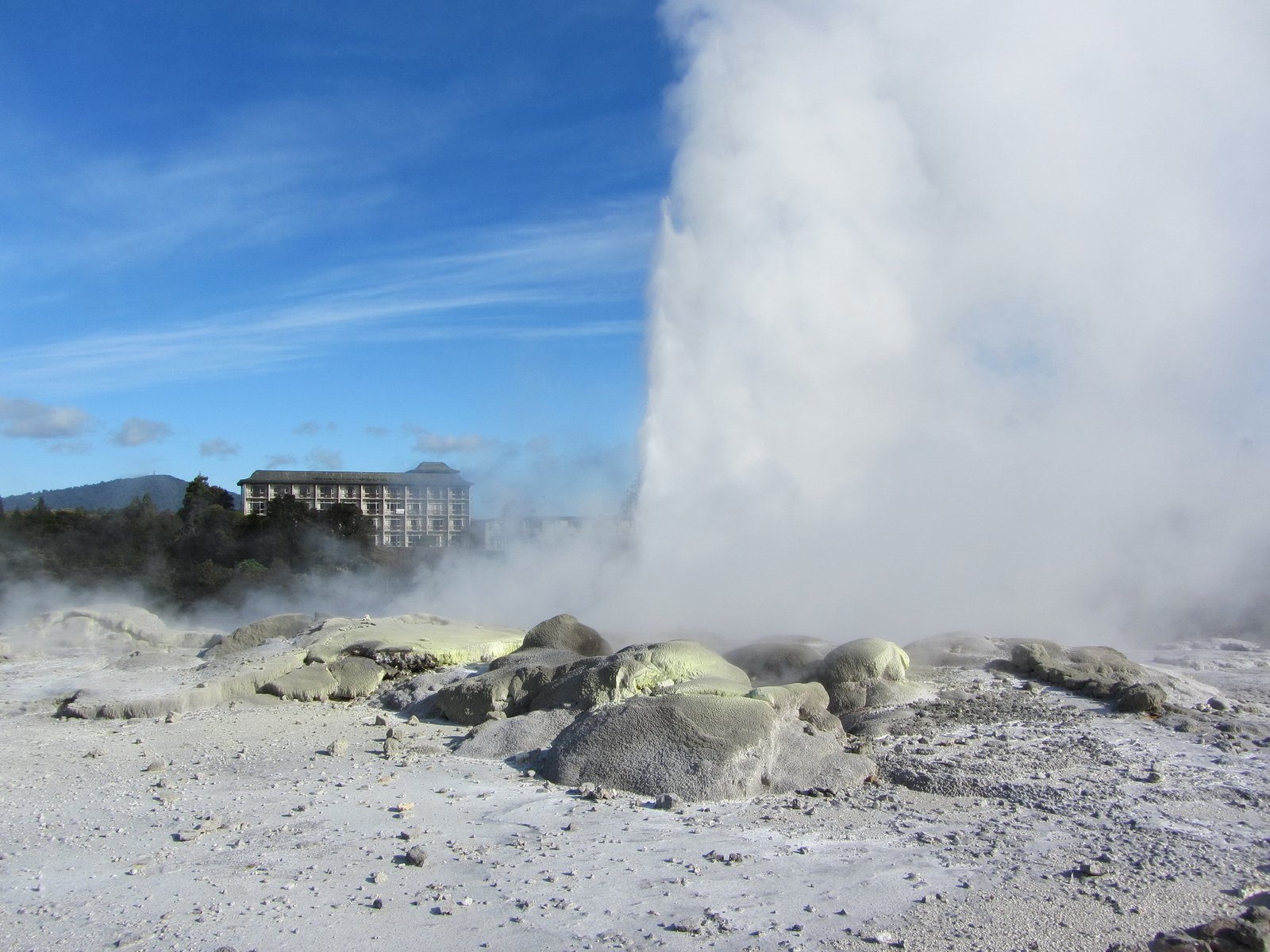
Te Puia combines geothermal features, the Pōhutu Geyser, arts, and cultural interpretation. Whakarewarewa focuses on a living village and the relationship between local Māori life and the geothermal environment. If your schedule is short, pick one rather than trying to rush through both.
How to Approach a Cultural Visit Respectfully
Arrive on time, listen carefully to guides, and treat performances as cultural experiences rather than just entertainment. Ask before taking close photos of people when the rules are not clear. Use the names and explanations provided by local hosts rather than relying on simplified social-media summaries.
A good guided experience should leave you with more context about people, land, language, and history—not only a collection of photos.
Book a Geothermal Wellness Session for the Evening
Rotorua is known for hot pools and spa experiences. Polynesian Spa is one established option near Lake Rotorua. Check the current pool types, age rules, and reservation requirements.
An evening soak works well after a full day because it requires little planning. Keep hydrated, follow posted time limits, and avoid combining long hot-pool sessions with heavy alcohol use.
Day 3: Redwoods, Lakes and Soft Adventure
Walk in Whakarewarewa Forest
The Redwoods – Whakarewarewa Forest is one of Rotorua’s easiest nature highlights to fit into a trip. There are walking and mountain-bike options for different ability levels. You do not need to be a serious hiker to enjoy the forest.
Choose a trail based on time and fitness, not on what looks most impressive online. A comfortable 60- to 90-minute walk can be more enjoyable than a long route that leaves you exhausted for the rest of the day.
Try the Treewalk if It Suits Your Budget
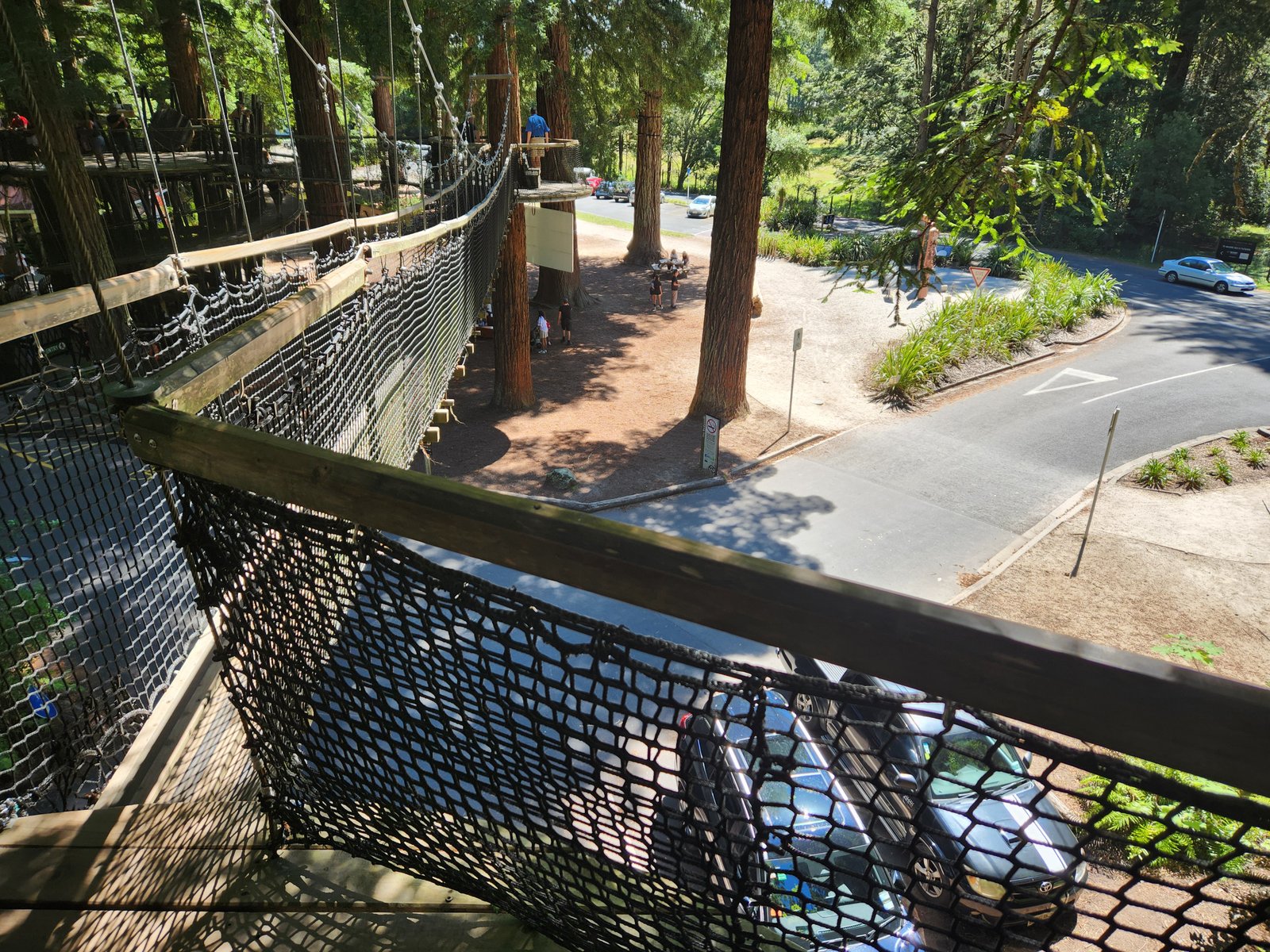
The Redwoods Treewalk gives a different view of the forest from elevated walkways. Day and night experiences feel different, so compare schedules before booking. If you already plan a paid evening activity, a free ground-level forest walk may be enough.
Spend the Afternoon Around the Lakes
Rotorua is surrounded by lakes, and this is where having a car becomes useful. Lake Tikitapu, also known as Blue Lake, is an easy option for scenic time and short walks. Lake Tarawera offers a more dramatic landscape and can be paired with guided activities.
Do not try to visit every lake in one afternoon. Choose one area and stay long enough to enjoy it. Driving from viewpoint to viewpoint can make a nature day feel surprisingly tiring.
Add One Soft-Adventure Activity
Kayaking, an easy bike ride, a guided forest experience, or a lake cruise can add variety without turning the day into an endurance challenge. This “soft adventure” style fits many travelers because it combines activity with comfort.
For example, a couple could walk in the Redwoods in the morning, take a relaxed lunch in Rotorua, then join a late-afternoon lake activity. That leaves enough energy for dinner and avoids a day packed with timed tickets.
Day 4: See a Larger Geothermal Valley
Option 1: Wai-O-Tapu
Wai-O-Tapu Thermal Wonderland is known for colorful geothermal features and marked walking routes. It is outside central Rotorua, so check transport before you go.
Option 2: Waimangu Volcanic Valley
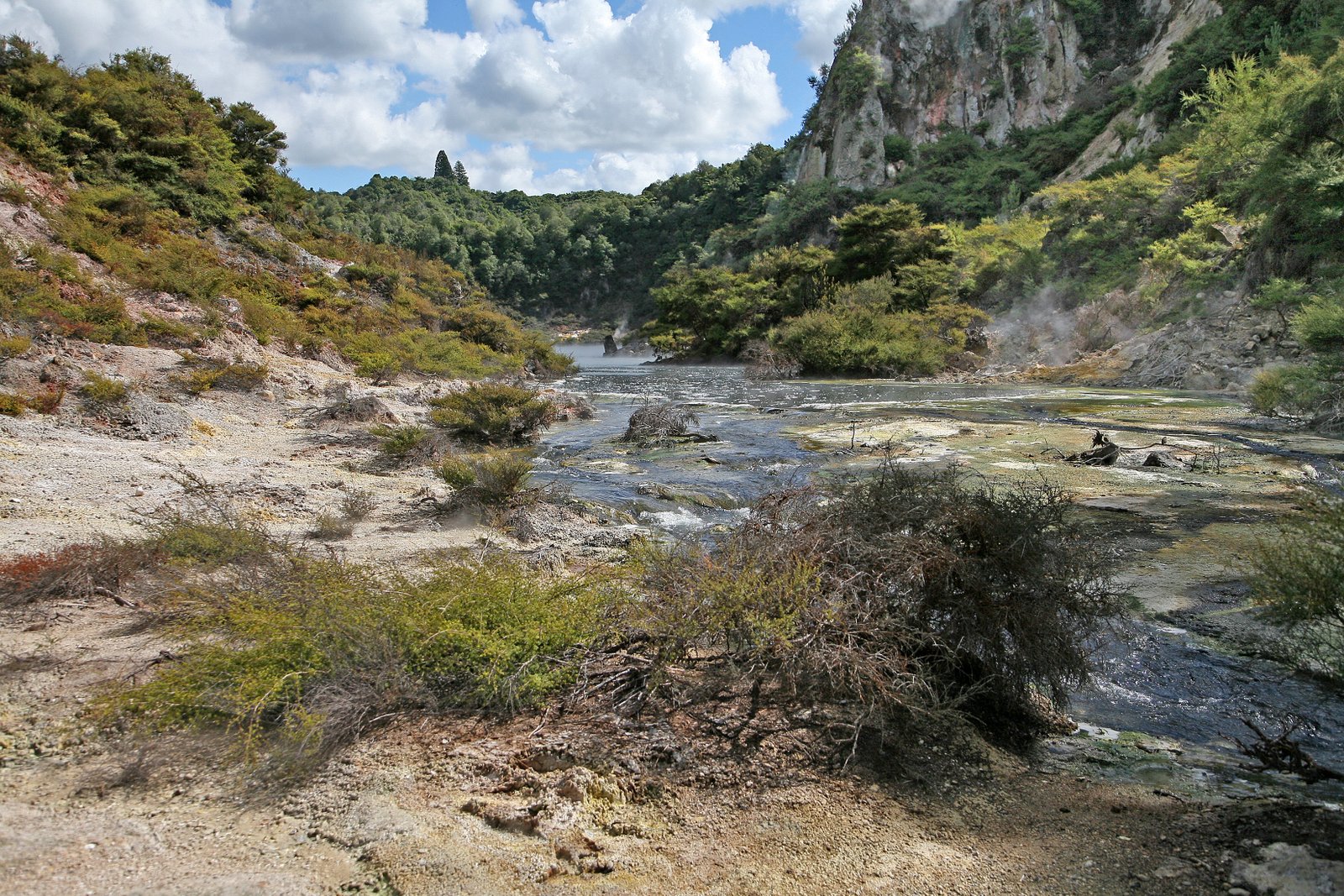
Waimangu Volcanic Valley offers a broader volcanic landscape and walking routes through a geothermal environment shaped by the 1886 Mount Tarawera eruption. It can feel more like a nature walk than a compact attraction.
If you have already seen many geysers and hot pools on Day 2, Waimangu may give your itinerary more variety. If you want vivid geothermal colors and a shorter structured visit, Wai-O-Tapu may suit you better.
Do You Need a Car in Rotorua?
You can enjoy central Rotorua without a car, especially if your accommodation is near the lakefront and your booked experiences include transfers. A car becomes more valuable when you want to visit outer geothermal parks, lakes, and trail areas on your own schedule.
When a Car Makes Sense
- You are traveling as a couple or family and can share the rental cost.
- You want to visit several places outside the city.
- You prefer flexible start times.
- You are continuing on a North Island road trip.
When You Can Skip It
- You are staying only two or three nights.
- You prefer guided tours.
- Your accommodation and main attractions offer transfers.
- You do not want to drive on the left side of the road.
If you rent a car, review New Zealand road rules before driving. The New Zealand Transport Agency is the right place to check official guidance.
Where to Stay
Central Rotorua
Stay near the lakefront or central city if you want restaurants, shops, and some attractions within easy reach. This is a practical choice for visitors without a car.
Near Whakarewarewa
This area can be convenient if forest and geothermal experiences are your priority. Check the exact walking distance rather than relying only on a hotel description.
Lake-Side Stays
A lake-side lodge or holiday home can feel peaceful, but you may need a car for meals and attractions. This option is better for travelers who value space and quiet over central convenience.
How to Budget for Rotorua
Rotorua can become expensive because many headline experiences charge admission. The solution is to mix paid and free activities rather than cutting every good experience.
A Balanced Daily Approach
Plan one major paid attraction per day. Add free or low-cost activities around it, such as the lakefront, Kuirau Park, forest walks, scenic drives, or local markets when available.
A family of four, for example, can save significantly by choosing one premium cultural experience, one spa or adventure activity, and then filling the rest of the trip with nature and self-guided stops. Buying five separate paid attractions each day rarely improves the trip enough to justify the cost.
What to Pack
- Comfortable walking shoes with good grip.
- A light waterproof jacket.
- Layers for changing weather.
- Swimwear for hot pools or lake activities.
- A refillable water bottle.
- Sun protection, even on cooler days.
- A small dry bag if you plan water activities.
New Zealand weather can shift quickly. Layers are more useful than one heavy item.
Responsible Travel Tips for Rotorua
Stay on Marked Geothermal Paths
Barriers are there for safety and environmental protection. Never step around them for a photo.
Choose Locally Led Cultural Experiences
When learning about Māori culture, prioritize experiences where local communities control the storytelling and benefit directly.
Protect Lakes and Forests
Follow local biosecurity and cleaning guidance for outdoor equipment. Do not move plants, rocks, or natural material between sites.
Slow Down
Responsible travel is not only about rules. Spending longer in one place can reduce unnecessary driving and usually creates a better experience.
Common Rotorua Mistakes
Booking Too Many Geothermal Parks
After two or three major geothermal attractions, the experiences can start to blend together. Choose sites with different strengths.
Leaving No Time for the Forest or Lakes
Rotorua is more than geysers. The forest and lake landscape is a major part of the region.
Ignoring Travel Time
Places that look close on a map can still require driving, parking, check-in, and walking. Leave buffer time between bookings.
Visiting Māori Culture as a Checklist Item
Give a cultural experience enough time and attention. The value comes from context, conversation, and understanding, not only the performance or meal.
Sample Plan for Different Travel Styles
For Couples
Combine a cultural-geothermal day, a spa evening, a forest walk, and one lake activity. Add one relaxed dinner rather than booking every night.
For Families
Keep driving days short. Mix a major attraction with outdoor time. Choose activities with clear age and height information before booking.
For Solo Travelers
Central accommodation can make logistics easier. Guided cultural or outdoor activities are also useful for meeting people without needing a full group tour.
For Road Trippers
Rotorua works well as a two- to four-night stop between Auckland, Taupō, and other North Island destinations. Avoid treating it as a quick lunch stop if you want to understand the region.
Final Takeaway
Rotorua is best when you do not reduce it to one geyser and one hot pool. The region becomes much more rewarding when you combine geothermal landscapes with Māori culture, redwood forest, lakes, and time to slow down.
A four-day itinerary gives you enough room to choose experiences instead of collecting them. Plan one major activity each day, keep free nature time around it, and use local operators and official information for current conditions. That approach gives you a trip that feels active, cultural, and restorative without becoming overplanned.
Leave a Reply