Category: Top Destinations

  • Japan in Autumn 2026: 9 Best Places to Visit Beyond the Usual Tokyo Trip

    Japan in autumn is easy to romanticize: red maple leaves around a temple, crisp mornings, seasonal food, mountain views and long walks through old neighborhoods. The hard part is turning that picture into a trip that actually works. In 2026, demand remains strong, major cities can feel busy, and autumn weather arrives at different times depending on where you go. A good plan is not simply “visit Kyoto in November.” It is choosing the right region for your dates, building a realistic route, and keeping enough flexibility for weather and crowds.

    This guide focuses on nine places that work especially well for an autumn trip, including several options beyond the standard Tokyo-Kyoto-Osaka circuit. It also explains how to choose your dates, how long to stay, when to use trains instead of flights, and how to avoid wasting half your holiday in transit.

    For current seasonal information, check the official Japan National Tourism Organization. For Tokyo-specific autumn updates, the official GO TOKYO autumn guide notes that early September can still feel like summer, while cooler walking weather becomes more reliable later in the season. Weather can shift, so use the Japan Meteorological Agency before and during your trip.

    When Is the Best Time to Visit Japan in Autumn 2026?

    There is no single “best week” for the whole country. Japan stretches a long way north to south, and elevation matters too. Hokkaido and high mountain areas usually cool first. Central cities such as Tokyo and Kyoto turn later. Southern regions stay warmer longer.

    If your dates are fixed, choose the destination that matches the season rather than forcing your trip around one famous photo spot. September is better for Hokkaido, alpine landscapes and cities with indoor options. October is a strong all-round month for northern and central Japan. November is usually better for classic maple color in many lower-elevation areas around Tokyo and Kyoto.

    A simple date strategy

    For an eight- to ten-day holiday, choose one main region and one contrast. For example, combine Tokyo with Nikko, or Kyoto with Takayama and Kanazawa. For two weeks, you can add a second major region without turning the trip into a race.

    Avoid booking every hour. Autumn is popular and weather-sensitive. Leave at least one half-day open so you can move an outdoor activity to a clearer period.

    1. Tokyo: Best for First-Time Visitors Who Want Variety

    Tokyo deserves a place on an autumn itinerary even if your goal is to go beyond the obvious. The city works well because it gives you outdoor color, food, museums, shopping and easy rail connections in one base. In September, heat and humidity may still be high. By mid to late autumn, parks and gardens become much more comfortable for long walks.

    Instead of trying to “see Tokyo” in two days, organize each day by area. Pair Meiji Jingu and Harajuku. Combine Asakusa with Ueno. Keep Shibuya and Daikanyama together. This cuts transport time and makes the city feel less overwhelming.

    Autumn experiences worth planning

    Rikugien and Koishikawa Korakuen are strong choices for traditional garden scenery. A walk around the outer gardens of the Imperial Palace gives you open space in the center. Mount Takao is an easy day trip when the city weather is clear, but it can become crowded on peak weekends.

    Practical tip: Start popular outdoor places early, then use the busiest midday hours for lunch, museums or shopping. Tokyo is easier when you alternate high-energy sightseeing with slower blocks.

    2. Nikko: Best Easy Escape from Tokyo

    Nikko gives you ornate shrines, cedar forest, mountain scenery and access to Lake Chuzenji without requiring a domestic flight. That makes it one of the most efficient add-ons to a Tokyo stay. You can visit in a day, but one night creates a much better experience because you can start before day-trippers arrive.

    The important planning detail is elevation. Lake Chuzenji and higher areas cool earlier than central Nikko. If foliage is a priority, check current conditions rather than relying on a date from an old blog post.

    How to spend 24 hours

    Arrive in the morning, leave luggage at your hotel, and explore the shrine area before lunch. In the afternoon, move toward the lake if weather and transport timing are good. Stay overnight, then take a slower morning walk before returning to Tokyo.

    This is a good example of why one-night side trips can be more rewarding than another long Tokyo day. You get a clear change of pace without adding a complicated route.

    3. Kyoto: Best for Temples, Gardens and Evening Walks

    Kyoto is famous for autumn color, so it is also one of the places where poor planning causes the most frustration. The solution is not to skip Kyoto. It is to stop treating every famous temple as mandatory.

    Pick two or three anchor experiences per day. A morning in Arashiyama can be followed by a quieter neighborhood rather than another headline attraction. In eastern Kyoto, walk between nearby temples instead of repeatedly crossing the city.

    How to reduce crowd stress

    Stay within walking distance of a train or subway station. Visit one high-demand site at opening time. Use late afternoon for neighborhoods, canals and smaller temples. If a location is clearly packed, leave. Kyoto has enough cultural depth that a less famous garden often gives you a better memory than a famous view experienced shoulder-to-shoulder.

    Also remember that buses can be slow when visitor numbers are high. Rail plus walking is often more predictable.

    4. Kanazawa: Best for Culture Without Kyoto’s Scale

    Kanazawa is a strong choice for travelers who want traditional districts, gardens, crafts and excellent seafood in a city that feels more manageable. Kenrokuen is the headline garden, but the real advantage is how easily you can combine it with the castle area, tea districts and markets.

    Kanazawa works particularly well as part of a Tokyo-Kanazawa-Takayama-Kyoto route. You get a different side of Japan without major backtracking.

    A practical one-and-a-half-day plan

    Use your arrival afternoon for Omicho Market and the central districts. Spend the next morning at Kenrokuen and the castle area, then choose one cultural neighborhood in the afternoon. Do not try to fit every preserved district into the same day; the city is better at walking speed.

    5. Takayama: Best for Mountain Atmosphere and a Slower Pace

    Takayama gives you a compact old town, mountain food traditions and access to rural scenery. It suits travelers who are tired of big-city navigation and want a place where the day can be built around walking rather than transport.

    Because temperatures can fall quickly, pack layers even if your previous stop was warm. A light insulated layer is more useful than carrying one very heavy coat for the whole trip.

    Who should stay two nights?

    Stay two nights if you want a day trip to Shirakawa-go or if you simply want a rest day between fast-moving city stops. Stay one night if Takayama is mainly a scenic break on the route between Kanazawa and Kyoto.

    6. Fuji Five Lakes: Best for Clear-Weather Flexibility

    Mount Fuji is not a sightseeing attraction you can schedule with certainty. Clouds can hide it completely. That is why the best approach is to make the Fuji Five Lakes area part of a flexible section of your trip rather than the single reason for a long detour.

    Check the forecast the evening before. If visibility looks poor and your bookings allow it, switch the day with a city activity. If the weather is clear, start early because morning visibility can be better.

    What to do besides viewing Mount Fuji

    Lake walks, cycling, museums, ropeways and hot spring stays give the area value even if the mountain disappears behind cloud. A ryokan night can also break up a Tokyo-Kyoto itinerary in a way that feels very different from another city hotel.

    7. Hokkaido: Best for Early Autumn and Nature

    If you are traveling in September or early October, Hokkaido can make more sense than chasing autumn color in warmer central Japan. Sapporo gives you a convenient urban base, while national parks and rural areas deliver the bigger seasonal change.

    Hokkaido is large. Do not assume you can see Sapporo, Furano, Biei, Hakodate and an eastern national park in a few days. Pick one sub-region and travel well.

    Rail or rental car?

    Use rail for a city-focused trip. Consider a rental car when your priority is rural viewpoints, small towns and parks that have limited public transport. Build extra time into driving days because weather and daylight affect autumn road trips.

    8. Hiroshima and Miyajima: Best for History Plus Island Scenery

    Hiroshima adds a different emotional and cultural dimension to a Japan itinerary. The Peace Memorial Park and museum deserve unhurried time. Miyajima then gives you water views, shrines, forest paths and a slower rhythm.

    Many visitors make this a rushed day trip from Osaka or Kyoto. A better plan is to stay overnight in Hiroshima or on Miyajima. That lets you experience the island after many day visitors leave.

    Build the day around the tide, not just the train

    The appearance of Itsukushima Shrine changes with the tide. Check tide information and plan your island walk around it. If you hike or use the ropeway, give yourself enough time to return before dark.

    9. Osaka: Best for Food, Nightlife and an Easy Final Stop

    Osaka is often treated as a base for day trips, but it is useful as a destination in its own right. It gives you a more casual city feel after temple-heavy days, plus excellent transport links and a major international airport nearby.

    Use Osaka for evenings, food and one or two focused neighborhoods instead of filling the day with attractions. Dotonbori is lively but touristy. Explore beyond it for neighborhood restaurants, markets and local shopping streets.

    When Osaka fits best

    Osaka works well at the end of a Kansai trip because you can finish with an easier urban day and then travel to Kansai International Airport without returning to Tokyo.

    How to Build a Realistic 10-Day Japan Autumn Itinerary

    Here is a practical route for a first or second trip:

    • Days 1–3: Tokyo, organized by neighborhood.
    • Day 4: Nikko overnight or a full-day trip.
    • Day 5: Travel to Kyoto and keep the evening light.
    • Days 6–7: Kyoto, with one early-start day and one slower district day.
    • Day 8: Osaka food and neighborhoods.
    • Day 9: Hiroshima or a flexible Kansai day.
    • Day 10: Departure or buffer time.

    If you want Kanazawa and Takayama, remove Hiroshima and reduce city time instead of adding more days of constant transit.

    Transport: Do Not Buy a Rail Pass Automatically

    Japan rail passes can be useful, but they are not automatically the cheapest choice. Price your actual long-distance trips first. Point-to-point tickets may cost less for a simple route. Regional passes can also be better when your travel stays within one area.

    Use an IC card for many local trains, subways and buses where accepted. For long-distance trains, reserve seats when your dates overlap weekends, holidays or busy travel periods. If you have large luggage, check baggage rules before arriving at the station.

    Use luggage forwarding when it solves a real problem

    Sending a suitcase from Tokyo to Kyoto can make an overnight stop in Nikko, Kanazawa or a hot-spring town much easier. Pack one small overnight bag and let the larger case skip the side trip. This is one of the simplest ways to make a multi-city Japan trip feel less tiring.

    What to Pack for Japan in Autumn

    Think in layers. A breathable base layer, light sweater or fleece, packable jacket and compact rain protection cover a wider range of conditions than one bulky outfit. Comfortable walking shoes matter more than fashionable travel shoes because a normal sightseeing day can involve many kilometers on foot.

    Bring a small power bank, but follow airline battery rules. Carry a compact reusable bag for purchases. Keep a little cash because some smaller businesses still prefer it, even though cards and digital payments are common in major cities.

    Common Japan Autumn Planning Mistakes

    Trying to visit too many cities

    Every hotel change costs time: checkout, luggage, station navigation, travel, arrival and check-in. Four well-chosen bases usually beat seven rushed ones.

    Assuming foliage dates are fixed

    Seasonal color shifts with temperature and elevation. Use current reports close to your trip.

    Building a schedule with no weather flexibility

    Outdoor viewpoints, mountain trips and Fuji days need backup options. Put museums, shopping and food-focused activities on a flexible list.

    Visiting famous places only at peak hours

    An early start changes the experience. If mornings are difficult for you, choose less famous locations rather than forcing a crowded midday visit.

    Final Takeaway

    The best Japan autumn trip in 2026 is not the one with the most famous stops. It is the one that matches your dates, pace and interests. Use Tokyo as a flexible base, add one or two places that provide a genuine contrast, and resist the urge to cross the country just to collect destinations.

    If your trip is in early autumn, look north or toward higher elevations. If it is later, central Japan gives you more classic foliage options. Check official seasonal updates, keep one flexible half-day, and design each travel day so you still have energy when you arrive. Japan rewards careful planning, but it rewards leaving room for discovery too.
  • 8 Less-Crowded European Destinations to Visit in 2026

    Europe does not have a shortage of beautiful places. The real challenge is choosing somewhere that still feels enjoyable once you arrive. A famous old town can look perfect online and feel exhausting when every street is packed. In 2026, more travelers are looking beyond the most saturated capitals and resort islands toward smaller regions that offer strong food, nature and culture without the same pressure.

    This guide is for travelers who still want a memorable European trip but do not need to stand in the busiest square to prove they were there. The eight destinations below are not “secret” places. They have tourism infrastructure, places to stay and real reasons to visit. What they often offer is a better balance between local life and visitor demand.

    For broader regional planning, the European Travel Commission publishes tourism research and market information. Always check the official tourism site for your chosen country before booking transport, events or seasonal activities.

    Why Choose a Secondary Destination in Europe?

    There are three practical reasons. First, your days become easier. You spend less time in queues and more time walking, eating and exploring. Second, accommodation can offer better value outside headline destinations. Third, spreading travel demand can reduce pressure on places that struggle with crowding.

    This does not mean you must avoid Paris, Rome or Barcelona forever. A smart trip can combine one major city with one smaller region. For example, spend three days in Rome and four days in Umbria. Visit Lisbon, then continue into Alentejo. Fly into Athens, then choose a quieter island instead of automatically following the busiest route.

    What “less crowded” really means

    No destination is empty all year. Beach towns still fill in peak summer, festivals bring short demand spikes, and good weather attracts weekend visitors. The goal is not isolation. It is finding places where tourism is less concentrated and where you can still experience local streets, restaurants and landscapes without structuring every day around reservations.

    1. Alonnisos, Greece: Best for Quiet Island Time and Marine Nature

    Alonnisos sits in the Northern Sporades and offers a different rhythm from Greece’s busiest island names. Pine-covered landscapes, small coves and access to the National Marine Park make it a strong option for travelers who want water, walking and a slower village atmosphere.

    The official Visit Greece site is the right starting point for current transport and destination information. Ferry schedules can change by season, so do not build a same-day international flight connection around an optimistic transfer.

    How to plan it

    Give the island at least four nights. One day can be for a boat trip, one for beaches, one for old Alonnisos and walking, and one as a flexible weather day. If you only stay two nights, transport can take up too much of the visit.

    Best for: couples, solo travelers, swimmers, hikers and people who prefer simple evenings to club nightlife.

    Skip it if: your priority is luxury shopping, large nightlife districts or a packed schedule of major attractions.

    2. Liepāja, Latvia: Best for Baltic Beaches, Music and Architecture

    Liepāja is a coastal city with a long beach, distinctive architecture and a creative identity. It works well for travelers who want an urban base without a huge-city pace. It is also useful as part of a Baltic trip, especially if you want to break up a route that would otherwise focus only on capital cities.

    Use the official Latvia Travel portal for current regional information. Weather on the Baltic coast can change quickly, so pack for wind and rain even in a generally mild period.

    A two-day plan that does not feel rushed

    On day one, explore the center, market areas and seaside. Leave time to sit on the beach rather than treating it as another photo stop. On day two, focus on Karosta, local history and a slower evening around the city.

    Liepāja is especially good for travelers who enjoy seeing how a city actually lives. You are not moving between world-famous monuments every hour, and that is the point.

    3. Dalsland, Sweden: Best for Lakes, Canoeing and Slow Nature

    Dalsland is a nature-first destination built around lakes, forest and outdoor activity. It suits travelers who want to paddle, hike, cycle or stay in a cabin rather than follow a city sightseeing checklist.

    For trip planning, Visit Sweden provides national travel guidance and regional inspiration. In rural areas, transport frequency matters. If you are not driving, check each connection before booking accommodation.

    Choose one base instead of changing hotels

    Nature trips become tiring when you move every night. Pick a base close to the activity you care about most. If canoeing is the priority, stay near an outfitter or accessible lake. If hiking is more important, choose a trail-friendly area and build in a bad-weather alternative.

    Real-world scenario: A family with four nights can spend one day paddling, one day hiking, one day driving or cycling between small communities, and still have a quiet day for a picnic and short walk. That often feels more restorative than four days of city queues.

    4. Vipava Valley, Slovenia: Best for Wine, Villages and Road Trips

    Slovenia is compact, which makes it easy to combine famous places with a quieter region. The Vipava Valley offers vineyards, small towns, cycling and food experiences without requiring a long domestic flight or complex transfer.

    Start with the official I feel Slovenia tourism site for transport, events and regional planning.

    How to make the valley work without overplanning

    Choose two tasting or food experiences in advance, not six. Leave the rest of the day for driving, viewpoints and village stops. If you plan to taste wine, use a designated driver, taxi or guided experience. Do not assume you can casually drive between wineries after drinking.

    Two to three nights is enough for a first visit. It also combines well with Ljubljana, the coast or the Julian Alps.

    5. Alentejo, Portugal: Best for Food, Wine and Open Landscapes

    Many Portugal itineraries concentrate on Lisbon, Porto and the Algarve. Alentejo gives you a different experience: whitewashed towns, vineyards, cork landscapes, long meals and a slower road-trip pace.

    The official Visit Portugal site can help with current regional information and seasonal events.

    Where to focus

    Évora is the easiest cultural anchor for a first visit. From there, add smaller towns or rural stays based on your interests. If you want coastline, southwestern Alentejo has beaches and walking routes, but distances are larger than they look on a map.

    Practical tip: Do not plan lunch as a 30-minute stop. In food-focused regions, a relaxed meal is part of the travel experience. Build fewer attractions into the day and let meals take their natural time.

    6. Asturias, Spain: Best for Green Landscapes, Seafood and Mountain-to-Coast Variety

    Travelers who picture Spain only as hot, dry and crowded in summer often overlook the north. Asturias offers a greener landscape, dramatic coast, mountain access and strong local food culture.

    Use the official Spain.info portal for current travel information and destination planning.

    Why Asturias works for an active trip

    You can spend one day walking along the coast, another in the mountains, and another eating through a small city or village area. That variety makes a five- to seven-night stay easy to fill without repetitive sightseeing.

    Oviedo and Gijón are practical urban bases. A rental car gives you more freedom for beaches and mountain areas, but do not underestimate narrow rural roads or parking in small settlements.

    7. Umbria, Italy: Best for Hill Towns Without a Checklist Mentality

    Umbria sits in central Italy and offers medieval towns, countryside, food and wine without the same international attention as neighboring Tuscany. Perugia, Assisi, Spello, Orvieto and smaller towns can form a flexible route.

    The national Italia.it portal is a useful official source for regional ideas and current visitor information.

    Train trip or road trip?

    If you focus on larger towns, rail can work. If your priority is countryside accommodation, wineries and smaller hill towns, driving gives you more control. A good compromise is to spend a few nights in a rail-accessible base and rent a car only for the rural section.

    Umbria suits travelers who enjoy mornings in town, long lunches and afternoons that do not need a major ticketed attraction.

    8. Saxon Switzerland, Germany: Best for Hiking Near a Major City

    Saxon Switzerland National Park gives you sandstone formations, river scenery and hiking access near Dresden. It is a useful choice when you want to add nature to a Central European city trip without flying to another country.

    Check the official Germany Travel site and local park information before hiking. Trail access can change because of weather, maintenance or conservation needs.

    Build the day around your fitness level

    Do not pick a route only because it has the best viewpoint on social media. Check distance, elevation, surfaces and return transport. Carry water and a light rain layer. If you are traveling in shoulder season, daylight becomes an important planning limit.

    How to Choose the Right Destination for Your Trip

    Use your actual travel style, not a generic “best places” ranking.

    • For beaches and swimming: Alonnisos.
    • For a compact cultural city: Liepāja.
    • For lakes and outdoor activity: Dalsland.
    • For wine and village driving: Vipava Valley.
    • For relaxed food and countryside: Alentejo.
    • For mountains plus coast: Asturias.
    • For Italian hill towns: Umbria.
    • For hiking near a city route: Saxon Switzerland.

    If you are traveling for only one week, choose one region and one nearby city. A seven-day trip with four flights is rarely relaxing.

    When to Travel for Better Value and Fewer Crowds

    Shoulder season is useful, but it is not a magic rule. April, May, late September and October can be excellent in many parts of Europe, yet local weather varies widely. A Greek island and a Swedish lake region do not share the same ideal month.

    Check three things before booking: seasonal transport, average weather and whether the activities you care about are operating. A low hotel price is not good value if ferries are limited or the experience you wanted is closed.

    Travel midweek when possible

    Small destinations can feel completely different on a Saturday compared with a Tuesday. If your schedule is flexible, move city stays to weekends and nature or village stays to weekdays when that pattern improves availability.

    How to Keep a Quieter Trip Affordable

    Secondary destinations are not always cheap. Rural car rental, limited transport and boutique accommodation can raise costs. Compare the whole daily budget rather than just hotel rates.

    A city with a €70 hotel but expensive taxis may cost more than a €100 hotel near reliable public transport. Likewise, a countryside stay with a kitchen can reduce restaurant spending if you are staying several nights.

    Use one paid experience as the anchor

    Instead of booking tours every day, choose one memorable paid activity: a guided hike, cooking class, wine tasting, boat trip or cultural visit. Build the rest of the day around walks, markets, beaches and self-guided exploration.

    Responsible Travel Without Making the Trip Complicated

    Responsible travel can be practical. Stay several nights instead of treating a place as a two-hour stop. Spend money at local businesses. Follow trail and beach rules. Use public transport when it works. Do not enter private property for a photo. Keep noise low in residential areas.

    Most importantly, remember that “less crowded” does not mean a destination exists for visitors without limits. Smaller places can feel tourism pressure more quickly because their infrastructure is smaller.

    A Sample 12-Day Europe Route Using Secondary Destinations

    One realistic structure is:

    • Days 1–3: Lisbon.
    • Days 4–7: Alentejo, based in or near Évora.
    • Day 8: Travel day.
    • Days 9–12: Asturias or another region reached by a sensible direct connection.

    But do not copy this route if flights or trains make it inefficient from your home airport. The principle matters more than the exact map: pair one easy gateway with one deeper regional stay.

    Common Mistakes When Chasing “Hidden Gems”

    Assuming hidden means undiscovered

    If a place has hotels, tours and a tourism website, other travelers know about it. Go because it suits you, not because you expect to be alone.

    Ignoring transport

    A beautiful village can be a poor choice if reaching it requires three connections and you have only five days.

    Visiting too briefly

    Secondary destinations become rewarding when you slow down. One rushed afternoon may make a great place feel empty rather than peaceful.

    Booking the cheapest season without checking closures

    Low season can mean fewer restaurants, limited ferries or shorter opening hours. Verify before you pay for non-refundable bookings.

    Final Takeaway

    The best less-crowded European destination for 2026 is not the place with the lowest visitor count. It is the place where your interests, transport, season and budget line up. Alonnisos works for island nature. Dalsland is built for slow outdoor days. Asturias combines coast and mountains. Umbria rewards travelers who want Italy without racing between headline sights.

    Choose one region, stay long enough to understand its rhythm, and use official tourism sources for current logistics. You can still include Europe’s famous cities. Just give the smaller places enough time to become more than a side trip. That is usually where the trip starts to feel personal rather than prepackaged.

  • Copenhagen and the Danish Riviera in Fall 2026: A Practical 5-Day Guide

    Copenhagen and the Danish Riviera in Fall 2026: A Practical 5-Day Guide

    Copenhagen and the Danish Riviera in Fall 2026: A Practical 5-Day Guide

    Copenhagen is easy to love in summer, but fall can be the smarter time to visit. The air is cooler, popular streets are less crowded, and the city feels more local. In 2026, travel interest is also moving toward shoulder-season trips, neighborhood food, coastal escapes, and slower itineraries. That makes Copenhagen and the Danish Riviera a strong combination for travelers who want culture, design, coast, and good food without trying to see everything in one day.

    This guide is built for a first-time visitor who has about five days. It focuses on a route that is simple to follow. You will see central Copenhagen, spend time in local neighborhoods, visit a major museum, and make a coastal day trip north. You will also get practical advice on trains, weather, daily costs, and how to avoid wasting time.

    For current visitor information, opening hours, and city updates, use Visit Copenhagen and VisitDenmark before you travel.

    Why Copenhagen Works Well in Fall 2026

    Fall suits Copenhagen because many of the city’s best experiences do not depend on hot weather. Museums, bakeries, design shops, food halls, historic streets, harbor walks, and cafes all work well when the temperature drops. You can still spend plenty of time outside, but you are not forced to build the whole trip around beaches or long sunny days.

    The season also fits a wider 2026 travel pattern: people are choosing cooler periods, calmer destinations, and trips that feel less rushed. Instead of racing through five famous sights before lunch, you can mix one major attraction with a neighborhood walk, a slow meal, and a short train ride.

    What the Weather Usually Means for Your Plans

    Expect changeable conditions. A clear morning can turn windy or wet by afternoon. The best strategy is not to fear the weather but to build flexible days. Pair an outdoor stop with an indoor one. For example, walk around Nyhavn and the harbor first, then keep a museum or food hall as your backup.

    Pack a waterproof outer layer, a light warm layer, comfortable shoes, and a compact umbrella. A small day bag with room for one extra layer is more useful than carrying a heavy coat all day.

    How Many Days Do You Need?

    Three days is enough for central Copenhagen. Five days is better if you want to add the coast without turning the trip into a checklist. The plan below gives you four city-focused days and one Danish Riviera day trip.

    • Day 1: Historic center, Nyhavn, harbor, and an easy first evening.
    • Day 2: Design, food, Nørrebro, and local city life.
    • Day 3: Museums, palace area, and waterfront time.
    • Day 4: Danish Riviera day trip with Helsingør and Humlebæk.
    • Day 5: Vesterbro, gardens, shopping, and a flexible final afternoon.

    Day 1: Learn Copenhagen on Foot

    Start at City Hall Square and Strøget

    Begin near Rådhuspladsen, or City Hall Square. From here, walk toward the old center. Strøget is famous as a shopping street, but the smaller side streets are often more interesting. Look for courtyards, independent stores, churches, and quiet lanes instead of staying on the main pedestrian route the whole time.

    If you land early in the morning, do not fill the day with timed tickets. Keep the first day simple. Jet lag, airport delays, and hotel check-in can easily change your schedule.

    Walk to Nyhavn Without Rushing

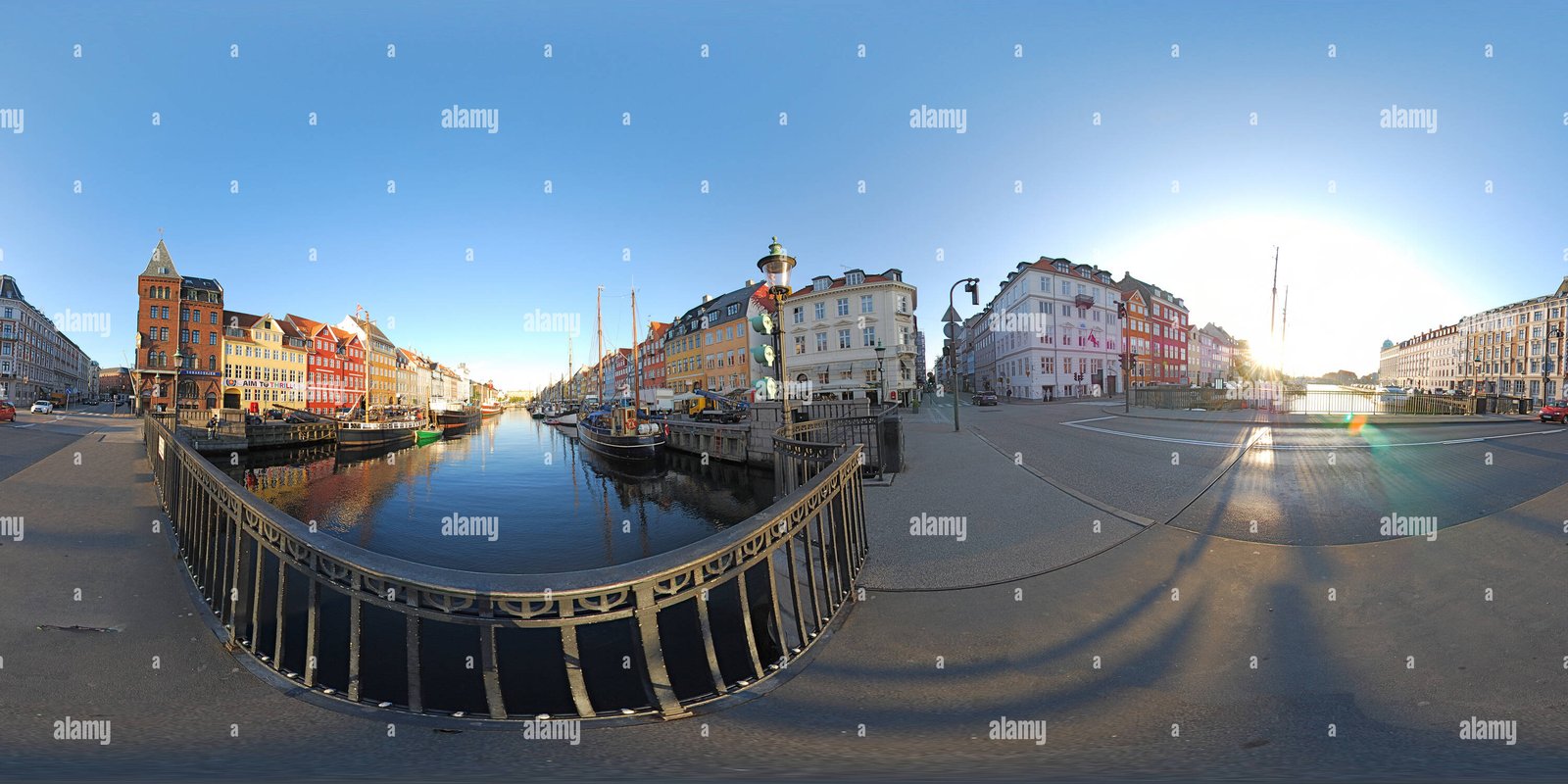
    Nyhavn is one of Copenhagen’s most photographed places. It is worth seeing, but you do not need to spend hours there. Walk the canal, take a few photos, and then continue toward the harbor. The waterfront paths give you a wider view of the city and help you understand how compact central Copenhagen is.

    For a quiet break, cross toward Christianshavn and walk beside the canals. You can return to the center by metro or on foot.

    Choose One Good Dinner, Not Three Famous Stops

    On the first evening, pick a restaurant near your hotel rather than crossing the city for a viral reservation. This keeps the day low stress. Copenhagen dining can be expensive, so a useful rule is to spend more on one meal and keep lunch simple with a bakery, market hall, or casual cafe.

    Day 2: Nørrebro, Bakeries, and Local Copenhagen

    Street scene in Nørrebro Copenhagen Denmark
    Nørrebro adds neighborhood life, independent shops, and cafes beyond Copenhagen’s historic center.

    Use the Metro, Then Walk

    Nørrebro is a good area for seeing everyday Copenhagen beyond the postcard center. Take the metro to save time, then walk through the neighborhood. Jægersborggade and nearby streets have cafes, small shops, and a relaxed local feel.

    Do not plan every food stop from social media. If a bakery has a long queue, walk two streets away. Copenhagen has many excellent bakeries, and the best travel decision is often the one that saves 40 minutes.

    Visit Torvehallerne for an Easy Lunch

    Torvehallerne food market in Copenhagen Denmark
    Torvehallerne is useful for a flexible lunch because travelers can choose from several Danish and international food stalls.

    Torvehallerne is useful for travelers because it gives you many food choices in one place. It works especially well if people in your group want different things. You can try open sandwiches, seafood, coffee, pastries, or simple produce-driven dishes without booking a long meal.

    Spend the Afternoon Around the Lakes

    Copenhagen’s lakes are ideal when you want a break from formal sightseeing. Walk part of the path, stop for coffee, and watch how locals use the city. This kind of low-cost activity is valuable on an expensive trip because it adds time and atmosphere without adding another ticket.

    Day 3: Culture Without Museum Fatigue

    Choose One Major Museum

    The mistake many visitors make is booking several museums back to back. Choose one major cultural stop and give it enough time. The National Gallery of Denmark is a strong option for art. Another choice is the Glyptotek, which combines art, archaeology, and an impressive indoor setting.

    Check opening days before you go. Museums often change hours by season, and some close on one weekday.

    Walk Through the Palace District

    After the museum, head toward the Amalienborg area. You do not need to tour every royal building. The open square, nearby church, and harbor views already give you a good sense of the area.

    If the weather is poor, replace a long waterfront walk with a cafe stop or another indoor attraction. A flexible itinerary is more useful than forcing every planned activity.

    Day 4: Danish Riviera Day Trip

    The coast north of Copenhagen is one of the best ways to add variety to a city trip. You get sea views, historic towns, and major cultural sites without renting a car.

    Morning: Helsingør and Kronborg Castle

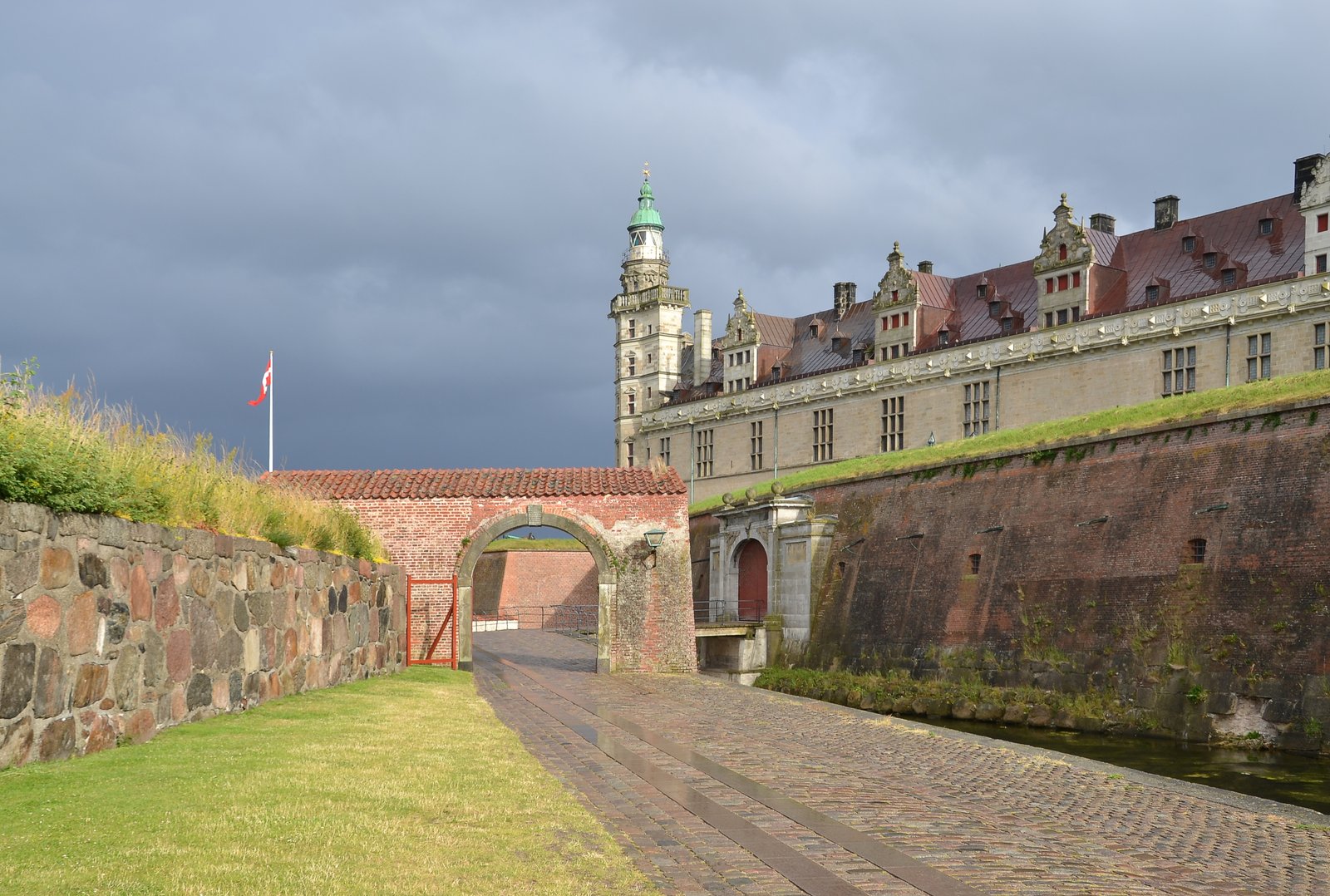
    Kronborg Castle in Helsingor Denmark on a Danish Riviera day trip
    Kronborg Castle is the main historic anchor for a Copenhagen-to-Helsingør coastal day trip.

    Take a train from Copenhagen to Helsingør. The journey is straightforward, and the town is easy to explore on foot. The main landmark is Kronborg Castle, known internationally for its connection to Shakespeare’s Hamlet.

    Allow time for the castle, but also walk through Helsingør’s center. If the weather is good, the waterfront is worth adding before lunch.

    Afternoon: Louisiana Museum of Modern Art

    Louisiana Museum of Modern Art in Humlebaek Denmark
    Louisiana combines modern art, architecture, sculpture gardens, and coastal views in one stop.

    On the return route, stop in Humlebæk for the Louisiana Museum of Modern Art. The museum is famous not only for its exhibitions but also for its setting. The building, sculpture garden, and sea views make it feel very different from a standard city museum.

    This is a good example of why the Riviera works as a day trip: the train connects distinct experiences without complicated transfers. Check the museum’s current hours before leaving Copenhagen, especially in fall.

    Day 5: Vesterbro and a Flexible Final Day

    Explore Vesterbro in the Morning

    Vesterbro is close to the main station, so it works well on a final day. Walk around the Meatpacking District, browse cafes and shops, and keep the pace easy. If your flight leaves late, this area also lets you return to your luggage without crossing the whole city.

    Add Tivoli Only if It Fits Your Dates

    Tivoli Gardens operates on seasonal schedules. If it is open during your visit, it can be a fun final stop, especially in the evening. Do not assume it runs every day of the year. Check dates in advance.

    Keep Two Hours Unplanned

    This is one of the most useful travel habits. Leave the final afternoon partly open. You may want to revisit a bakery, buy gifts, walk somewhere you missed, or simply rest. An itinerary with no free space often feels efficient on paper and exhausting in real life.

    Where to Stay in Copenhagen

    Indre By for First-Time Visitors

    Stay in the center if you value walking and want major sights close by. You may pay more, but you can save time and reduce transport use.

    Vesterbro for Food and Transport

    Vesterbro is convenient for Copenhagen Central Station and has plenty of dining options. It is useful if you plan to make train day trips.

    Nørrebro for a More Local Feel

    Nørrebro works well for travelers who care more about neighborhood atmosphere than being beside the main attractions. The metro makes the center easy to reach.

    How to Get Around Without Overspending

    Copenhagen is walkable, but walking everywhere can waste time. Use a mix of walking and public transport. The metro is especially useful when weather changes or when you need to cross the city quickly.

    Check Public Transport Denmark for ticket and route information. If you plan many paid attractions and transit journeys, compare the cost of a city card with buying each item separately. Do the math for your own itinerary rather than assuming a pass always saves money.

    Simple Cost-Saving Example

    Imagine two travelers staying for five days. They choose a central hotel with breakfast, eat a casual lunch most days, pay for one good dinner, and use trains only when needed. That plan can be more economical than staying far outside the center and paying for repeated transport while losing an hour each day.

    What to Book Before You Arrive

    • Your hotel, especially for weekends and school-holiday periods.
    • One or two high-priority restaurants if they require reservations.
    • Timed museum or attraction tickets only when they clearly save time.
    • Train planning for the Riviera day, while keeping enough flexibility for weather.

    Avoid booking every hour. Fall weather is unpredictable, and a rigid schedule can become stressful.

    Common Copenhagen Planning Mistakes

    Trying to See Too Much in One Day

    Copenhagen looks small on a map, so travelers often stack too many stops. The distance may be short, but meals, museum lines, shopping, and photo breaks add time.

    Ignoring Wind and Rain

    A waterproof jacket is more useful than a stylish heavy coat that becomes uncomfortable indoors. Layers give you more control.

    Spending the Whole Trip in the Old Center

    The center is important, but neighborhoods and the coast add depth. Even one half-day outside the main tourist streets changes the feel of the trip.

    Assuming Every Famous Restaurant Is Necessary

    Copenhagen’s food scene is broad. You can eat well without building the trip around difficult reservations. Markets, bakeries, neighborhood restaurants, and casual Nordic cooking can be just as memorable.

    Who This Trip Is Best For

    This five-day route works well for couples, solo travelers, friends, and first-time visitors who enjoy food, museums, architecture, and easy train travel. It also suits travelers who prefer moderate days rather than early starts and late finishes.

    Families can use the same structure but may want fewer museums and more time at parks, Tivoli, or harbor areas. Travelers focused on nightlife can shift museum time later and keep evenings open.

    Final Takeaway

    Copenhagen in fall works best when you treat the city as more than a list of landmarks. Build each day around one main purpose, then add food, walking, and flexible time around it. Use the train network to reach the Danish Riviera, keep indoor alternatives ready for wet weather, and avoid filling every hour with reservations.

    A practical five-day trip might include the historic center, Nørrebro, one major museum, Helsingør, Louisiana Museum of Modern Art, and a relaxed final day in Vesterbro. That is enough variety to make the trip feel complete without turning your holiday into a race.

  • Rotorua New Zealand in 2026: A 4-Day Nature, Māori Culture and Wellness Itinerary

    Rotorua New Zealand in 2026: A 4-Day Nature, Māori Culture and Wellness Itinerary

    Rotorua New Zealand in 2026: A 4-Day Nature, Māori Culture and Wellness Itinerary

    Rotorua is one of those places where the landscape does most of the explaining. Steam rises from the ground. Lakes sit beside forest. Geothermal pools bubble a short drive from the city center. Māori culture is also central to the region, not a side attraction. In 2026, that combination feels especially relevant because travelers are spending more time on nature, wellness, and hands-on local experiences instead of rushing between photo stops.

    This four-day guide is designed for a first visit. It balances geothermal sites, Māori culture, forest, lakes, and a proper wellness break. It also explains where a car helps, when you can use shuttles, what to book ahead, and how to avoid turning the trip into an expensive list of attractions.

    Use RotoruaNZ for current regional information and Tourism New Zealand for wider travel guidance before your trip.

    Why Rotorua Is Worth Visiting in 2026

    Rotorua fits several travel trends that have grown stronger in 2026. Visitors are choosing outdoor experiences that feel active but not extreme. They also want cultural activities led by local communities and wellness experiences connected to the landscape. Rotorua naturally combines all three.

    You can spend the morning walking around geothermal vents, the afternoon learning about Māori traditions, and the evening soaking in mineral water. The next day can feel completely different, with redwood forest trails, lake views, and a relaxed dinner in town.

    Who Will Enjoy Rotorua Most?

    Rotorua works well for couples, families, solo travelers, and road trippers. It is especially good if you want more than a city break but do not want a difficult hiking holiday. Many of the best experiences are accessible with short walks, guided visits, or easy drives.

    How Long Should You Stay?

    Two nights is possible, but it forces you to choose between culture, geothermal areas, and nature. Four days gives you a better rhythm. You can see major highlights without booking morning-to-night activities.

    • Day 1: Arrive, lakefront, city walk, and geothermal introduction.
    • Day 2: Whakarewarewa or Te Puia, Māori culture, and an evening soak.
    • Day 3: Redwoods, lakes, and outdoor activities.
    • Day 4: Wai-O-Tapu or Waimangu, slow lunch, and departure.

    Day 1: Start Slowly and Learn the Landscape

    Walk the Rotorua Lakefront

    After check-in, begin with the lakefront rather than heading straight to a paid attraction. This gives you time to adjust after travel and understand the city layout. The water, birdlife, and distant hills make an easy first impression.

    Keep the first afternoon flexible. Rotorua has a strong sulfur smell in some areas because of geothermal activity. Most travelers get used to it quickly, but it is better to start gently instead of packing the first day with several tours.

    Explore Kuirau Park

    Kuirau Park is a useful free introduction to Rotorua’s geothermal character. You can see steaming areas and hot pools without committing several hours or a large ticket cost. Stay on marked paths and respect all barriers. Geothermal ground can be dangerous even when it looks solid.

    Have an Early Dinner

    If you traveled from Auckland or arrived after a long flight, choose an early dinner and rest. Saving energy for the next three days is more useful than forcing another attraction into the evening.

    Day 2: Māori Culture and Geothermal Rotorua

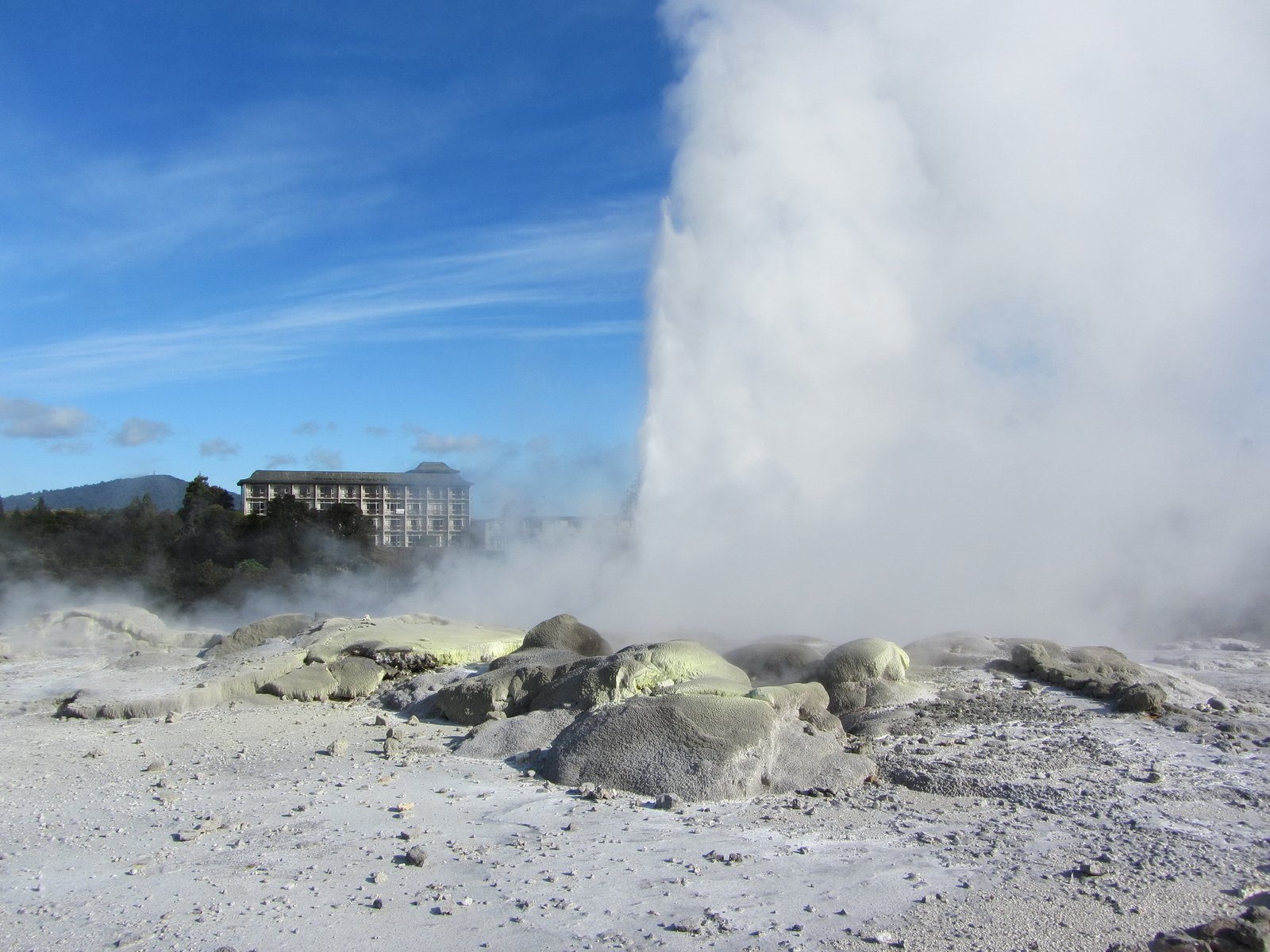
    Pohutu Geyser and geothermal landscape at Te Puia Rotorua
    Rotorua’s geothermal and Māori cultural experiences are best approached with enough time for context, not as a quick photo stop.

    Choose One Main Cultural-Geothermal Experience

    Two of the best-known options are Te Puia and Whakarewarewa – The Living Māori Village. They are different experiences, so read current tour descriptions before booking.

    Te Puia combines geothermal features, the Pōhutu Geyser, arts, and cultural interpretation. Whakarewarewa focuses on a living village and the relationship between local Māori life and the geothermal environment. If your schedule is short, pick one rather than trying to rush through both.

    How to Approach a Cultural Visit Respectfully

    Arrive on time, listen carefully to guides, and treat performances as cultural experiences rather than just entertainment. Ask before taking close photos of people when the rules are not clear. Use the names and explanations provided by local hosts rather than relying on simplified social-media summaries.

    A good guided experience should leave you with more context about people, land, language, and history—not only a collection of photos.

    Book a Geothermal Wellness Session for the Evening

    Rotorua is known for hot pools and spa experiences. Polynesian Spa is one established option near Lake Rotorua. Check the current pool types, age rules, and reservation requirements.

    An evening soak works well after a full day because it requires little planning. Keep hydrated, follow posted time limits, and avoid combining long hot-pool sessions with heavy alcohol use.

    Day 3: Redwoods, Lakes and Soft Adventure

    Redwoods Whakarewarewa Forest in Rotorua New Zealand
    The Redwoods give Rotorua a completely different landscape from its geothermal areas and work well for an easy nature-focused day.

    Walk in Whakarewarewa Forest

    The Redwoods – Whakarewarewa Forest is one of Rotorua’s easiest nature highlights to fit into a trip. There are walking and mountain-bike options for different ability levels. You do not need to be a serious hiker to enjoy the forest.

    Choose a trail based on time and fitness, not on what looks most impressive online. A comfortable 60- to 90-minute walk can be more enjoyable than a long route that leaves you exhausted for the rest of the day.

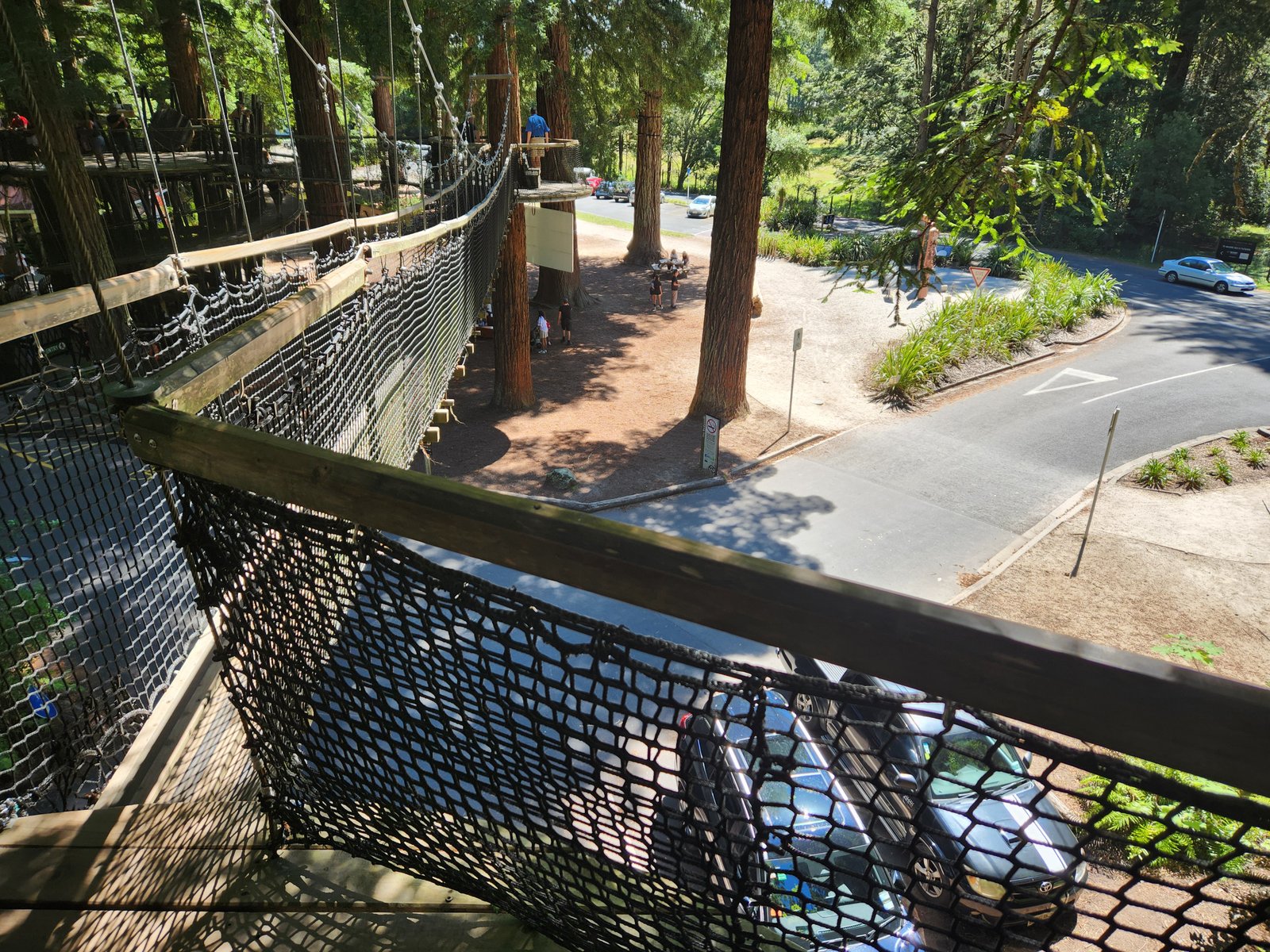
    Try the Treewalk if It Suits Your Budget

    The Redwoods Treewalk gives a different view of the forest from elevated walkways. Day and night experiences feel different, so compare schedules before booking. If you already plan a paid evening activity, a free ground-level forest walk may be enough.

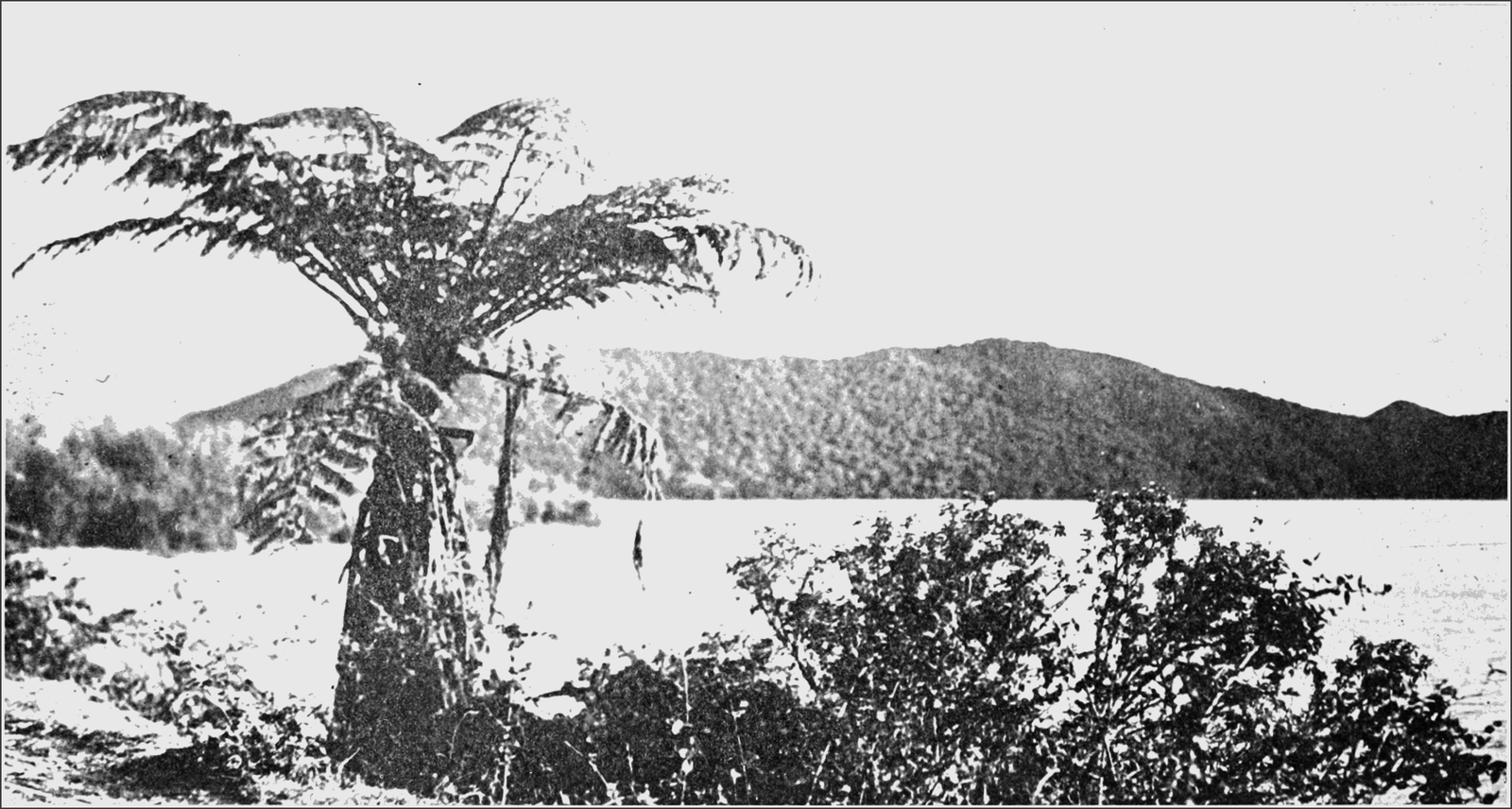
    Spend the Afternoon Around the Lakes

    Lake Tikitapu Blue Lake near Rotorua New Zealand
    Lake Tikitapu is a practical scenic stop for travelers who want a slower afternoon around Rotorua’s lake district.

    Rotorua is surrounded by lakes, and this is where having a car becomes useful. Lake Tikitapu, also known as Blue Lake, is an easy option for scenic time and short walks. Lake Tarawera offers a more dramatic landscape and can be paired with guided activities.

    Do not try to visit every lake in one afternoon. Choose one area and stay long enough to enjoy it. Driving from viewpoint to viewpoint can make a nature day feel surprisingly tiring.

    Add One Soft-Adventure Activity

    Kayaking, an easy bike ride, a guided forest experience, or a lake cruise can add variety without turning the day into an endurance challenge. This “soft adventure” style fits many travelers because it combines activity with comfort.

    For example, a couple could walk in the Redwoods in the morning, take a relaxed lunch in Rotorua, then join a late-afternoon lake activity. That leaves enough energy for dinner and avoids a day packed with timed tickets.

    Day 4: See a Larger Geothermal Valley

    Option 1: Wai-O-Tapu

    Wai-O-Tapu Thermal Wonderland is known for colorful geothermal features and marked walking routes. It is outside central Rotorua, so check transport before you go.

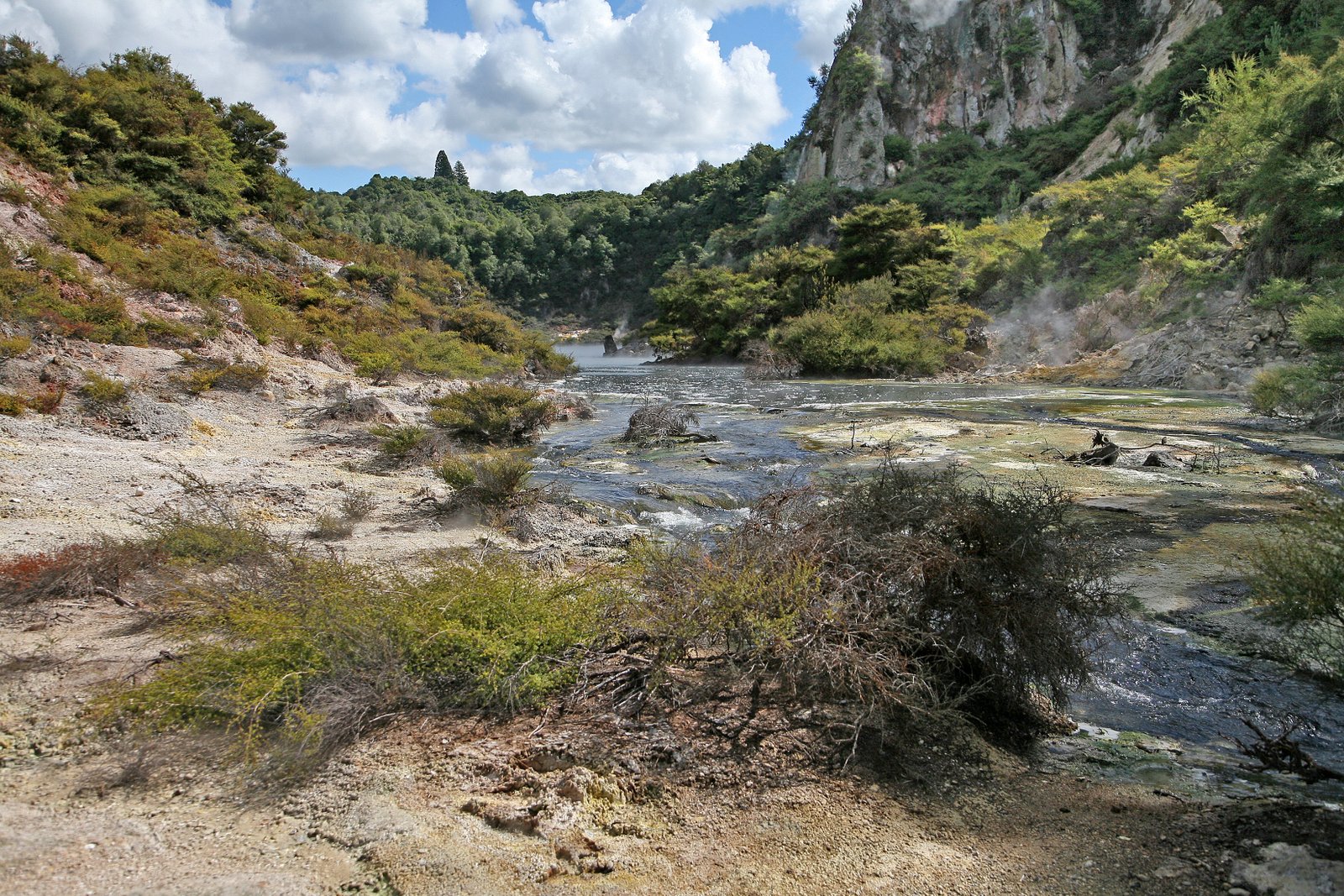
    Option 2: Waimangu Volcanic Valley

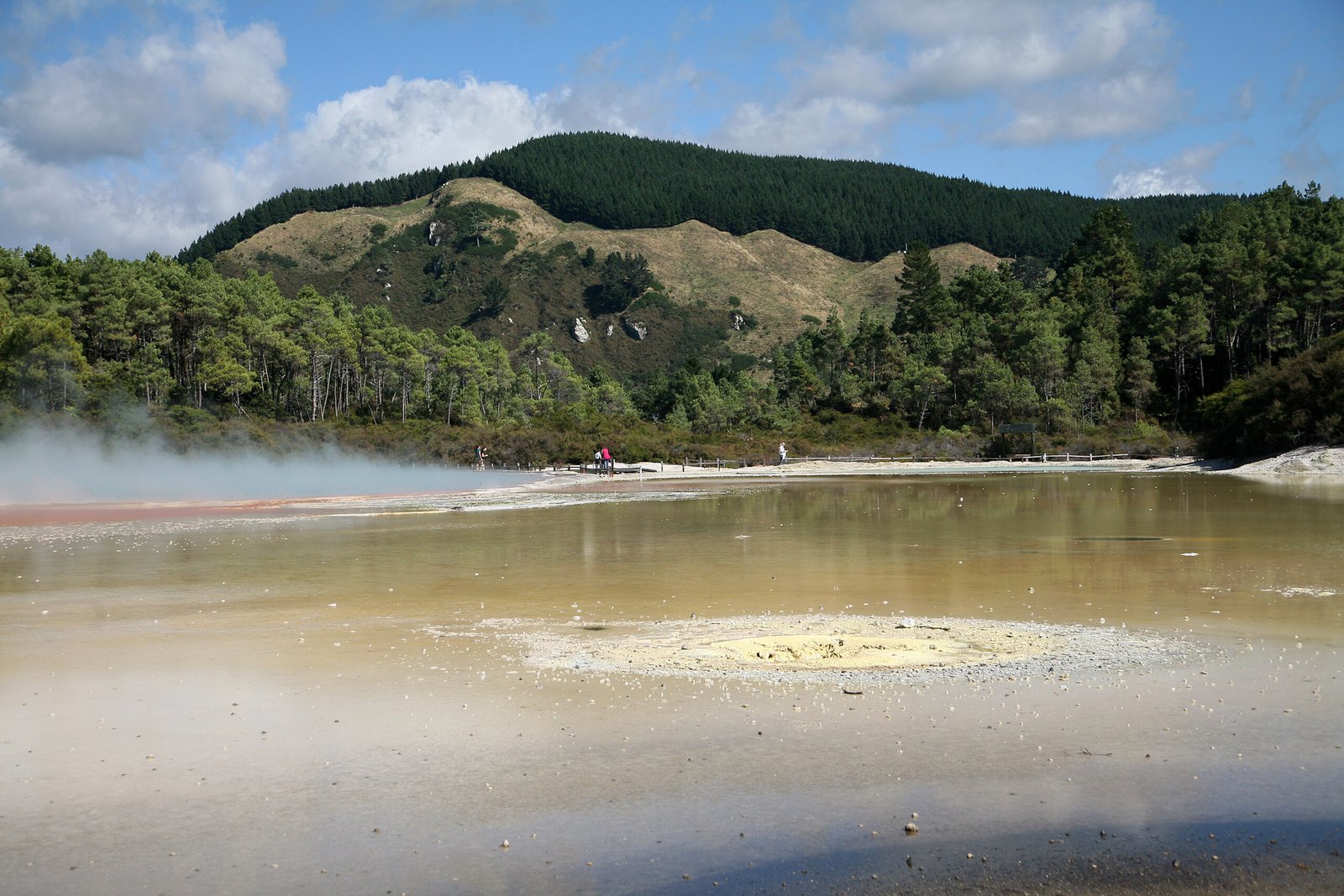
    Waimangu Volcanic Valley near Rotorua New Zealand
    Waimangu offers a broader volcanic landscape and walking experience beyond central Rotorua.

    Waimangu Volcanic Valley offers a broader volcanic landscape and walking routes through a geothermal environment shaped by the 1886 Mount Tarawera eruption. It can feel more like a nature walk than a compact attraction.

    If you have already seen many geysers and hot pools on Day 2, Waimangu may give your itinerary more variety. If you want vivid geothermal colors and a shorter structured visit, Wai-O-Tapu may suit you better.

    Do You Need a Car in Rotorua?

    You can enjoy central Rotorua without a car, especially if your accommodation is near the lakefront and your booked experiences include transfers. A car becomes more valuable when you want to visit outer geothermal parks, lakes, and trail areas on your own schedule.

    When a Car Makes Sense

    • You are traveling as a couple or family and can share the rental cost.
    • You want to visit several places outside the city.
    • You prefer flexible start times.
    • You are continuing on a North Island road trip.

    When You Can Skip It

    • You are staying only two or three nights.
    • You prefer guided tours.
    • Your accommodation and main attractions offer transfers.
    • You do not want to drive on the left side of the road.

    If you rent a car, review New Zealand road rules before driving. The New Zealand Transport Agency is the right place to check official guidance.

    Where to Stay

    Central Rotorua

    Stay near the lakefront or central city if you want restaurants, shops, and some attractions within easy reach. This is a practical choice for visitors without a car.

    Near Whakarewarewa

    This area can be convenient if forest and geothermal experiences are your priority. Check the exact walking distance rather than relying only on a hotel description.

    Lake-Side Stays

    A lake-side lodge or holiday home can feel peaceful, but you may need a car for meals and attractions. This option is better for travelers who value space and quiet over central convenience.

    How to Budget for Rotorua

    Rotorua can become expensive because many headline experiences charge admission. The solution is to mix paid and free activities rather than cutting every good experience.

    A Balanced Daily Approach

    Plan one major paid attraction per day. Add free or low-cost activities around it, such as the lakefront, Kuirau Park, forest walks, scenic drives, or local markets when available.

    A family of four, for example, can save significantly by choosing one premium cultural experience, one spa or adventure activity, and then filling the rest of the trip with nature and self-guided stops. Buying five separate paid attractions each day rarely improves the trip enough to justify the cost.

    What to Pack

    • Comfortable walking shoes with good grip.
    • A light waterproof jacket.
    • Layers for changing weather.
    • Swimwear for hot pools or lake activities.
    • A refillable water bottle.
    • Sun protection, even on cooler days.
    • A small dry bag if you plan water activities.

    New Zealand weather can shift quickly. Layers are more useful than one heavy item.

    Responsible Travel Tips for Rotorua

    Stay on Marked Geothermal Paths

    Barriers are there for safety and environmental protection. Never step around them for a photo.

    Choose Locally Led Cultural Experiences

    When learning about Māori culture, prioritize experiences where local communities control the storytelling and benefit directly.

    Protect Lakes and Forests

    Follow local biosecurity and cleaning guidance for outdoor equipment. Do not move plants, rocks, or natural material between sites.

    Slow Down

    Responsible travel is not only about rules. Spending longer in one place can reduce unnecessary driving and usually creates a better experience.

    Common Rotorua Mistakes

    Booking Too Many Geothermal Parks

    After two or three major geothermal attractions, the experiences can start to blend together. Choose sites with different strengths.

    Leaving No Time for the Forest or Lakes

    Rotorua is more than geysers. The forest and lake landscape is a major part of the region.

    Ignoring Travel Time

    Places that look close on a map can still require driving, parking, check-in, and walking. Leave buffer time between bookings.

    Visiting Māori Culture as a Checklist Item

    Give a cultural experience enough time and attention. The value comes from context, conversation, and understanding, not only the performance or meal.

    Sample Plan for Different Travel Styles

    For Couples

    Combine a cultural-geothermal day, a spa evening, a forest walk, and one lake activity. Add one relaxed dinner rather than booking every night.

    For Families

    Keep driving days short. Mix a major attraction with outdoor time. Choose activities with clear age and height information before booking.

    For Solo Travelers

    Central accommodation can make logistics easier. Guided cultural or outdoor activities are also useful for meeting people without needing a full group tour.

    For Road Trippers

    Rotorua works well as a two- to four-night stop between Auckland, Taupō, and other North Island destinations. Avoid treating it as a quick lunch stop if you want to understand the region.

    Final Takeaway

    Rotorua is best when you do not reduce it to one geyser and one hot pool. The region becomes much more rewarding when you combine geothermal landscapes with Māori culture, redwood forest, lakes, and time to slow down.

    A four-day itinerary gives you enough room to choose experiences instead of collecting them. Plan one major activity each day, keep free nature time around it, and use local operators and official information for current conditions. That approach gives you a trip that feels active, cultural, and restorative without becoming overplanned.