Copenhagen and the Danish Riviera in Fall 2026: A Practical 5-Day Guide
Copenhagen is easy to love in summer, but fall can be the smarter time to visit. The air is cooler, popular streets are less crowded, and the city feels more local. In 2026, travel interest is also moving toward shoulder-season trips, neighborhood food, coastal escapes, and slower itineraries. That makes Copenhagen and the Danish Riviera a strong combination for travelers who want culture, design, coast, and good food without trying to see everything in one day.
This guide is built for a first-time visitor who has about five days. It focuses on a route that is simple to follow. You will see central Copenhagen, spend time in local neighborhoods, visit a major museum, and make a coastal day trip north. You will also get practical advice on trains, weather, daily costs, and how to avoid wasting time.
For current visitor information, opening hours, and city updates, use Visit Copenhagen and VisitDenmark before you travel.
Why Copenhagen Works Well in Fall 2026
Fall suits Copenhagen because many of the city’s best experiences do not depend on hot weather. Museums, bakeries, design shops, food halls, historic streets, harbor walks, and cafes all work well when the temperature drops. You can still spend plenty of time outside, but you are not forced to build the whole trip around beaches or long sunny days.
The season also fits a wider 2026 travel pattern: people are choosing cooler periods, calmer destinations, and trips that feel less rushed. Instead of racing through five famous sights before lunch, you can mix one major attraction with a neighborhood walk, a slow meal, and a short train ride.
What the Weather Usually Means for Your Plans
Expect changeable conditions. A clear morning can turn windy or wet by afternoon. The best strategy is not to fear the weather but to build flexible days. Pair an outdoor stop with an indoor one. For example, walk around Nyhavn and the harbor first, then keep a museum or food hall as your backup.
Pack a waterproof outer layer, a light warm layer, comfortable shoes, and a compact umbrella. A small day bag with room for one extra layer is more useful than carrying a heavy coat all day.
How Many Days Do You Need?
Three days is enough for central Copenhagen. Five days is better if you want to add the coast without turning the trip into a checklist. The plan below gives you four city-focused days and one Danish Riviera day trip.
- Day 1: Historic center, Nyhavn, harbor, and an easy first evening.
- Day 2: Design, food, Nørrebro, and local city life.
- Day 3: Museums, palace area, and waterfront time.
- Day 4: Danish Riviera day trip with Helsingør and Humlebæk.
- Day 5: Vesterbro, gardens, shopping, and a flexible final afternoon.
Day 1: Learn Copenhagen on Foot
Start at City Hall Square and Strøget
Begin near Rådhuspladsen, or City Hall Square. From here, walk toward the old center. Strøget is famous as a shopping street, but the smaller side streets are often more interesting. Look for courtyards, independent stores, churches, and quiet lanes instead of staying on the main pedestrian route the whole time.
If you land early in the morning, do not fill the day with timed tickets. Keep the first day simple. Jet lag, airport delays, and hotel check-in can easily change your schedule.
Walk to Nyhavn Without Rushing
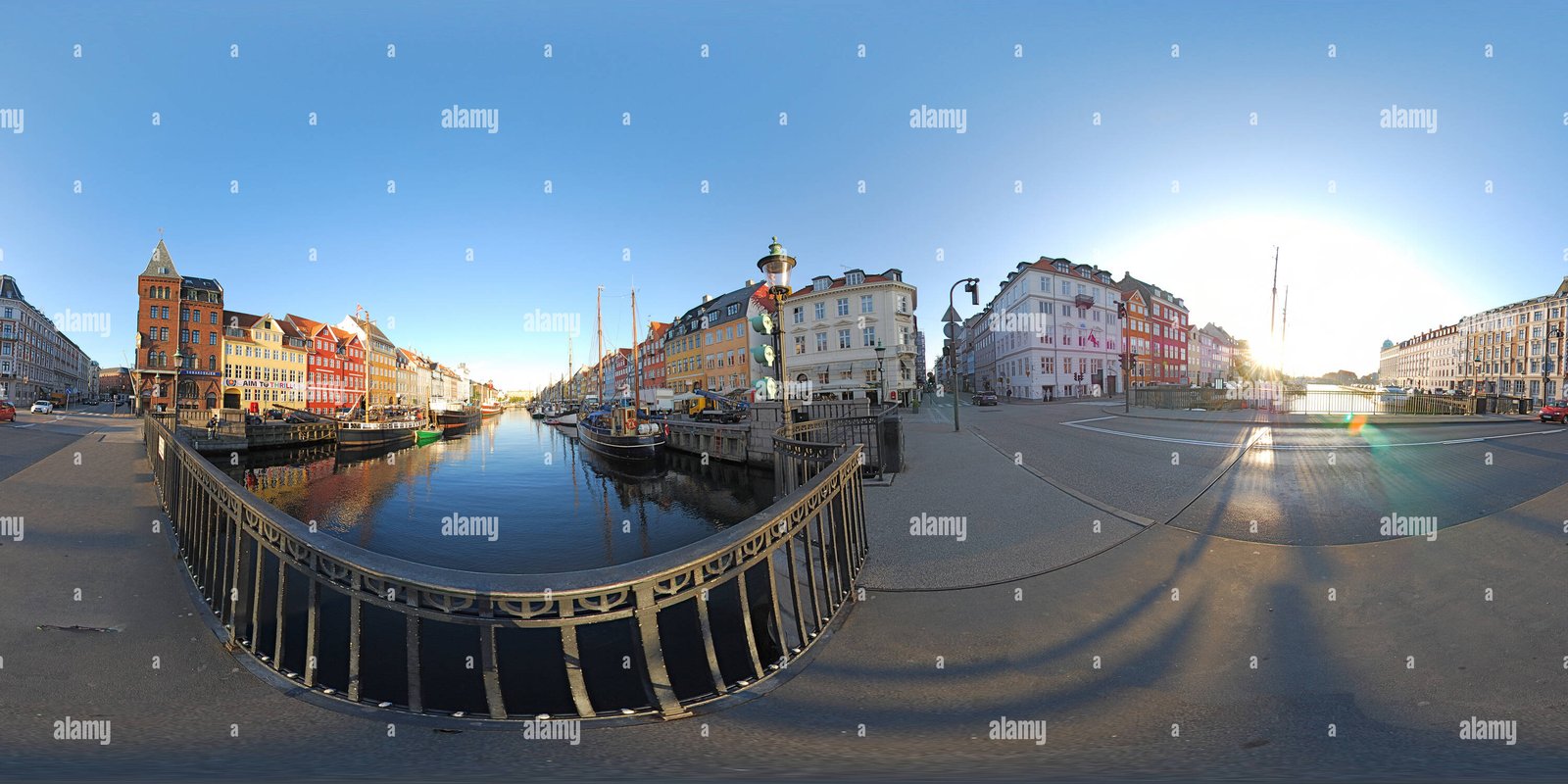
Nyhavn is one of Copenhagen’s most photographed places. It is worth seeing, but you do not need to spend hours there. Walk the canal, take a few photos, and then continue toward the harbor. The waterfront paths give you a wider view of the city and help you understand how compact central Copenhagen is.
For a quiet break, cross toward Christianshavn and walk beside the canals. You can return to the center by metro or on foot.
Choose One Good Dinner, Not Three Famous Stops
On the first evening, pick a restaurant near your hotel rather than crossing the city for a viral reservation. This keeps the day low stress. Copenhagen dining can be expensive, so a useful rule is to spend more on one meal and keep lunch simple with a bakery, market hall, or casual cafe.
Day 2: Nørrebro, Bakeries, and Local Copenhagen
Use the Metro, Then Walk
Nørrebro is a good area for seeing everyday Copenhagen beyond the postcard center. Take the metro to save time, then walk through the neighborhood. Jægersborggade and nearby streets have cafes, small shops, and a relaxed local feel.
Do not plan every food stop from social media. If a bakery has a long queue, walk two streets away. Copenhagen has many excellent bakeries, and the best travel decision is often the one that saves 40 minutes.
Visit Torvehallerne for an Easy Lunch

Torvehallerne is useful for travelers because it gives you many food choices in one place. It works especially well if people in your group want different things. You can try open sandwiches, seafood, coffee, pastries, or simple produce-driven dishes without booking a long meal.
Spend the Afternoon Around the Lakes
Copenhagen’s lakes are ideal when you want a break from formal sightseeing. Walk part of the path, stop for coffee, and watch how locals use the city. This kind of low-cost activity is valuable on an expensive trip because it adds time and atmosphere without adding another ticket.
Day 3: Culture Without Museum Fatigue
Choose One Major Museum
The mistake many visitors make is booking several museums back to back. Choose one major cultural stop and give it enough time. The National Gallery of Denmark is a strong option for art. Another choice is the Glyptotek, which combines art, archaeology, and an impressive indoor setting.
Check opening days before you go. Museums often change hours by season, and some close on one weekday.
Walk Through the Palace District
After the museum, head toward the Amalienborg area. You do not need to tour every royal building. The open square, nearby church, and harbor views already give you a good sense of the area.
If the weather is poor, replace a long waterfront walk with a cafe stop or another indoor attraction. A flexible itinerary is more useful than forcing every planned activity.
Day 4: Danish Riviera Day Trip
The coast north of Copenhagen is one of the best ways to add variety to a city trip. You get sea views, historic towns, and major cultural sites without renting a car.
Morning: Helsingør and Kronborg Castle
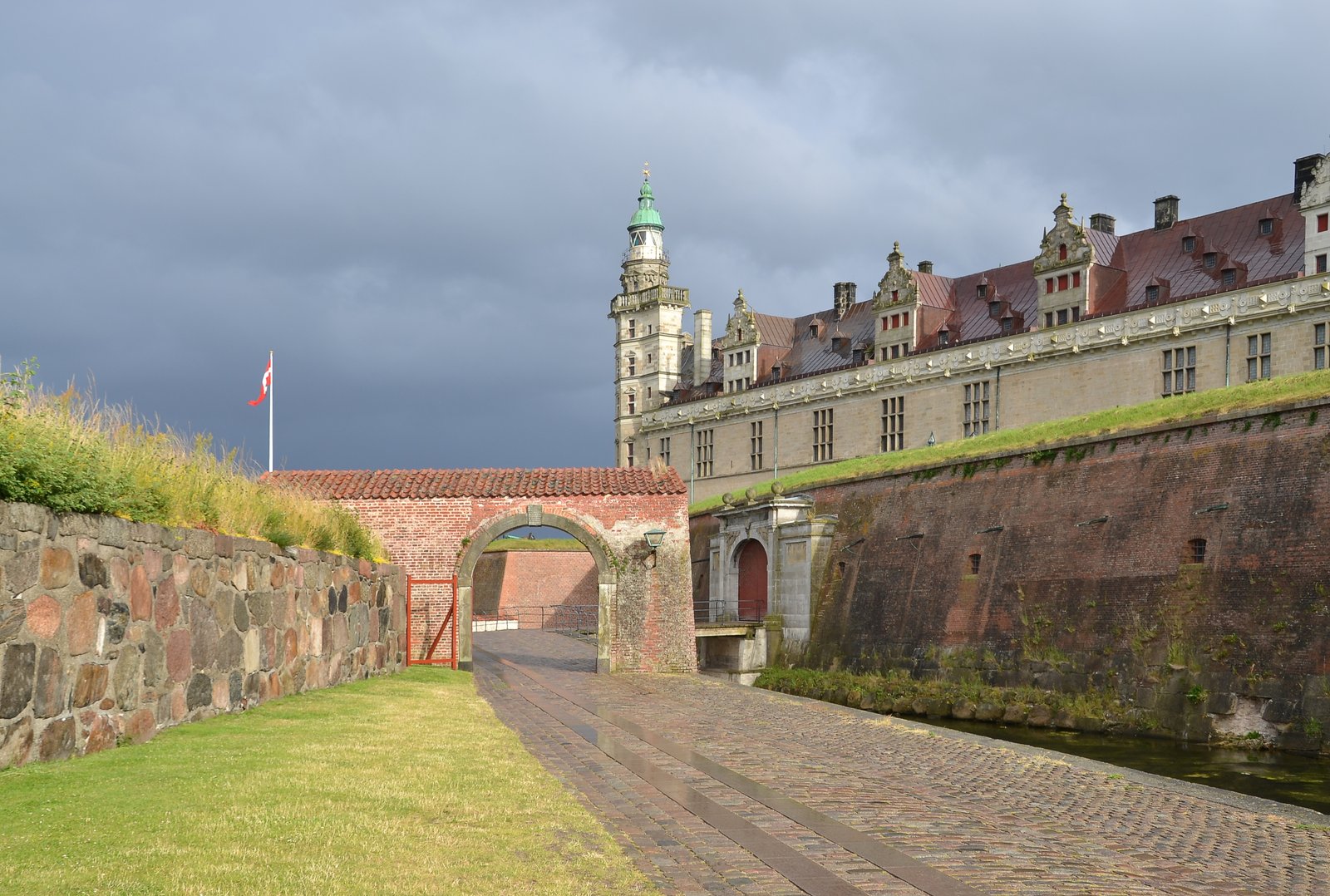
Take a train from Copenhagen to Helsingør. The journey is straightforward, and the town is easy to explore on foot. The main landmark is Kronborg Castle, known internationally for its connection to Shakespeare’s Hamlet.
Allow time for the castle, but also walk through Helsingør’s center. If the weather is good, the waterfront is worth adding before lunch.
Afternoon: Louisiana Museum of Modern Art

On the return route, stop in Humlebæk for the Louisiana Museum of Modern Art. The museum is famous not only for its exhibitions but also for its setting. The building, sculpture garden, and sea views make it feel very different from a standard city museum.
This is a good example of why the Riviera works as a day trip: the train connects distinct experiences without complicated transfers. Check the museum’s current hours before leaving Copenhagen, especially in fall.
Day 5: Vesterbro and a Flexible Final Day
Explore Vesterbro in the Morning
Vesterbro is close to the main station, so it works well on a final day. Walk around the Meatpacking District, browse cafes and shops, and keep the pace easy. If your flight leaves late, this area also lets you return to your luggage without crossing the whole city.
Add Tivoli Only if It Fits Your Dates
Tivoli Gardens operates on seasonal schedules. If it is open during your visit, it can be a fun final stop, especially in the evening. Do not assume it runs every day of the year. Check dates in advance.
Keep Two Hours Unplanned
This is one of the most useful travel habits. Leave the final afternoon partly open. You may want to revisit a bakery, buy gifts, walk somewhere you missed, or simply rest. An itinerary with no free space often feels efficient on paper and exhausting in real life.
Where to Stay in Copenhagen
Indre By for First-Time Visitors
Stay in the center if you value walking and want major sights close by. You may pay more, but you can save time and reduce transport use.
Vesterbro for Food and Transport
Vesterbro is convenient for Copenhagen Central Station and has plenty of dining options. It is useful if you plan to make train day trips.
Nørrebro for a More Local Feel
Nørrebro works well for travelers who care more about neighborhood atmosphere than being beside the main attractions. The metro makes the center easy to reach.
How to Get Around Without Overspending
Copenhagen is walkable, but walking everywhere can waste time. Use a mix of walking and public transport. The metro is especially useful when weather changes or when you need to cross the city quickly.
Check Public Transport Denmark for ticket and route information. If you plan many paid attractions and transit journeys, compare the cost of a city card with buying each item separately. Do the math for your own itinerary rather than assuming a pass always saves money.
Simple Cost-Saving Example
Imagine two travelers staying for five days. They choose a central hotel with breakfast, eat a casual lunch most days, pay for one good dinner, and use trains only when needed. That plan can be more economical than staying far outside the center and paying for repeated transport while losing an hour each day.
What to Book Before You Arrive
- Your hotel, especially for weekends and school-holiday periods.
- One or two high-priority restaurants if they require reservations.
- Timed museum or attraction tickets only when they clearly save time.
- Train planning for the Riviera day, while keeping enough flexibility for weather.
Avoid booking every hour. Fall weather is unpredictable, and a rigid schedule can become stressful.
Common Copenhagen Planning Mistakes
Trying to See Too Much in One Day
Copenhagen looks small on a map, so travelers often stack too many stops. The distance may be short, but meals, museum lines, shopping, and photo breaks add time.
Ignoring Wind and Rain
A waterproof jacket is more useful than a stylish heavy coat that becomes uncomfortable indoors. Layers give you more control.
Spending the Whole Trip in the Old Center
The center is important, but neighborhoods and the coast add depth. Even one half-day outside the main tourist streets changes the feel of the trip.
Assuming Every Famous Restaurant Is Necessary
Copenhagen’s food scene is broad. You can eat well without building the trip around difficult reservations. Markets, bakeries, neighborhood restaurants, and casual Nordic cooking can be just as memorable.
Who This Trip Is Best For
This five-day route works well for couples, solo travelers, friends, and first-time visitors who enjoy food, museums, architecture, and easy train travel. It also suits travelers who prefer moderate days rather than early starts and late finishes.
Families can use the same structure but may want fewer museums and more time at parks, Tivoli, or harbor areas. Travelers focused on nightlife can shift museum time later and keep evenings open.
Final Takeaway
Copenhagen in fall works best when you treat the city as more than a list of landmarks. Build each day around one main purpose, then add food, walking, and flexible time around it. Use the train network to reach the Danish Riviera, keep indoor alternatives ready for wet weather, and avoid filling every hour with reservations.
A practical five-day trip might include the historic center, Nørrebro, one major museum, Helsingør, Louisiana Museum of Modern Art, and a relaxed final day in Vesterbro. That is enough variety to make the trip feel complete without turning your holiday into a race.
Leave a Reply