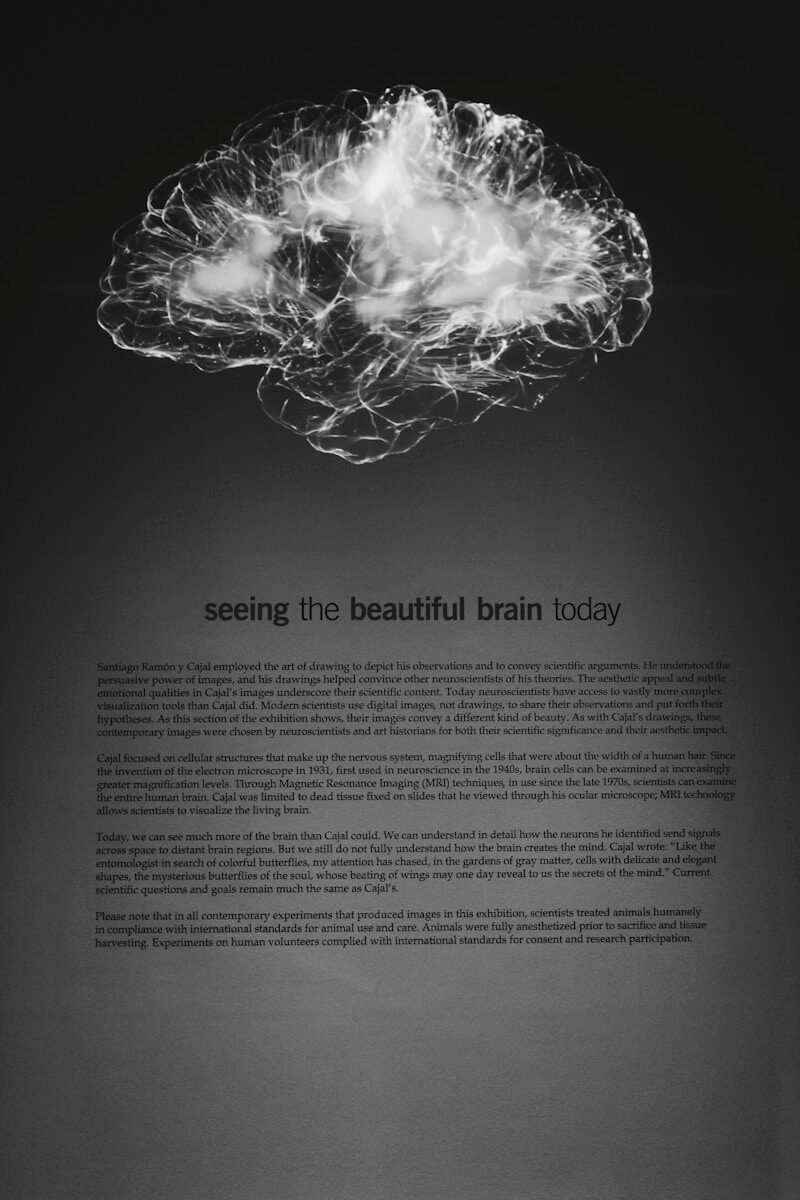

Journaling is a simple task that affects the brain’s process of organizing thoughts and emotions. Many psychology conversations from communities such as the American Psychological Association discuss writing as a systematic approach to dealing with internal experiences rather than keeping them in short-term memory. Unprocessed emotions will cause the mind to return to them repeatedly, leading to increased stress and mental exhaustion.
Writing is the process of translating internal responses into something that can be seen. As soon as thoughts are externalized, they become easier to comprehend and interpret.
Emotional Processing Through Writing
This systematic processing helps to turn general discomfort into specific experiences. The process of writing slows down the brain’s reaction time.
Writing also helps to avoid stacking emotions.
Establishing Psychological Distance
The act of seeing thoughts on paper establishes a distance between the self and the emotion. The experience becomes one that is viewed rather than one that is occurring within the self. This distinction reduces the sense of urgency and immediate tension.
Psychological distance enables evaluation rather than reaction. It becomes possible to see alternative explanations for emotions once reactions are visible on paper.
Lessening Mental Overload
The mind is constantly maintaining incomplete thoughts within working memory. Duties, conversations, and concerns vie for attention simultaneously. Journaling moves these tasks into an external system, lessening mental overload.
When thoughts are written down, the mind is no longer required to repeat information. Writing down thoughts alleviates the mind’s concern with forgetting. Consequently, mental repetition diminishes naturally.
Releasing thoughts that were being repeated often alleviates underlying tension. The mind ceases to scan for incomplete thoughts and brings attention back to the present.
Establishing Priorities
Putting thoughts on paper lists events and concerns in an orderly fashion. Order replaces confusion, which in turn reduces decision fatigue. Prioritization prevents trivial concerns from becoming urgent.
- Tasks are defined
- Concerns are circumscribed
- Attention is focused
This enables a more consistent emotional equilibrium throughout the day.
Identifying Patterns and Triggers
Finding Situational Triggers
The written accounts show what was happening before the emotional changes took place. Time, place, or social situations may be listed again and again alongside particular emotional reactions. Understanding eliminates confusion because the reactions seem less random.
This insight assists the brain in better anticipating emotional reactions. Anticipation decreases uncertainty, which automatically reduces stress.
Recording Emotional Intensity
The journaling process also illustrates the length of time for which the emotions last. Most emotional reactions will subside sooner than memory indicates. Viewing the length of time in writing alters the impression of future experiences.
With time, the realization of temporary emotional reactions leads to more composed interpretation. The journaling process provides a record that enables the individual to observe the reactions rather than immediately relating to them.
As the thoughts are listed repeatedly on paper, the brain begins to distinguish between temporary emotional reactions and stable beliefs.
Noticing Personal Reactions
The written analysis also decelerates the interpretation process. Rather than simply labeling a day as positive or negative, the writer lists specific events and reactions. This distinction enables the brain to distinguish between the particular event and the emotional reaction triggered by it.
The repeated journaling process illustrates how the reactions differ according to the situation. Similar events may evoke different emotions on different days, illustrating that both mood and environment affect interpretation.
The awareness of differences reduces dogmatic thinking about personal behavior. Precise observation eliminates the tendency to magnify isolated incidents. A challenging experience is viewed within the context of a larger pattern rather than a fixed characteristic.
Unlinking Identity and Emotion
Writing promotes the expression of feelings rather than becoming them. The statements change from “I am anxious” to “I felt anxious during this event.” This change in statement form lessens the emotional intensity because the emotion is viewed as a temporary experience.
With time, the mind recognizes that emotions are not constant. This recognition of the fluctuation of emotions promotes a more stable interpretation of experiences.
Writing helps in this process by providing a time gap between the experience and the reaction. The time taken to write alters the brain’s attention from acting to thinking.
Frequent writing also enhances the recognition of the patterns of emotions. When the reactions have been put down in writing, they do not seem as intense and are more manageable in similar situations in the future.
Suppressing Automatic Reactions
Writing is a process that requires the ordering of thoughts into sentences. This process slows down the automatic reactions and suppresses sudden behavioral reactions. The time taken to write often lessens the intensity because the physiological arousal decreases with time.
Individuals often realize that their emotions change while writing. The process of explanation calms the nervous system because the attention is focused on organizing words.
Rethinking Experiences
Writing an experience promotes the consideration of various interpretations. After writing, the details of the experience become clearer and less intense. The mind often recognizes the neutral explanations for the experience that were not considered at the time of the experience.
This process of rethinking does not eliminate the emotion but alters its magnitude. The reaction becomes proportional to the experience rather than being magnified by the uncertainty of the experience.
Memory Organization and Clarity
Distinguishing Facts from Interpretation
Journaling promotes the ability to distinguish what happened from what was inferred. Facts become more distinct when organized in a list, while interpretations can still be distinguished as thoughts rather than events. This helps with understanding experiences better.
Accurate recall eliminates confusion from familiar situations. The mind no longer has to rely on emotional recall but on observed documentation instead.
Forming a Cohesive Story
Incidents are no longer isolated but are instead part of a larger story. Over time, a cohesive story eliminates rumination. The mind no longer has to work to recreate past experiences because they are already organized and stored in a cohesive manner instead.
Forming Consistent Coping Mechanisms
Consistency eliminates uncertainty because the mind knows that a reflection opportunity is provided every day. Over time, the brain recognizes that writing is a form of closure.
When experiences are documented, the mind recognizes them as finished rather than in progress. This eliminates the need to reflect on the same thoughts multiple times a day.
A regular reflection cycle is also useful in distinguishing between past and present experiences. Incidents stay in the day they happened rather than being taken into other unrelated contexts.
Reinforcing Healthy Processing
Regular writing exercises the pathways involved in calm processing. The mind gradually favors organized processing over impulsive response. Familiar patterns involve less work, leading to more automatic emotional processing.
Regular activities also decrease avoidance. When expression becomes a habit, tough subjects are processed over time rather than avoided.
Long-Term Stability and Reflection
Long-term emotional stability comes from regular understanding of experiences over time. Journaling keeps a record of experiences that demonstrate change, improvement, and variation. Recognizing this process prevents the assumption that current emotions are permanent.
Analysis of older entries also identifies emotional patterns. Experiences that seemed unpredictable in the past start to demonstrate recognizable patterns, which helps alleviate concerns about future responses.
Recording Emotional Change Over Time
The written record illustrates how responses change over weeks or months. Patterns of recovery become apparent, illustrating that emotions naturally change. Recognition of change alleviates fears of intense but temporary emotional experiences.
Recognition of past resolutions also increases familiarity with the processes of coping. The mind recognizes past adaptation and responds to new experiences with less alarm.
Developing Perspective
Perspective is gained when current experiences are measured against past experiences. The mind better judges scale rather than responding to immediate intensity. The written record offers a point of reference for interpretation.
The National Institute of Mental Health, among other organizations, regularly points to observation and recording in emotional understanding. Regular reflection helps in balanced interpretation of daily events.
Conclusion
Organized entries assist the brain in understanding experiences in a calm manner and responding to them in a balanced way.