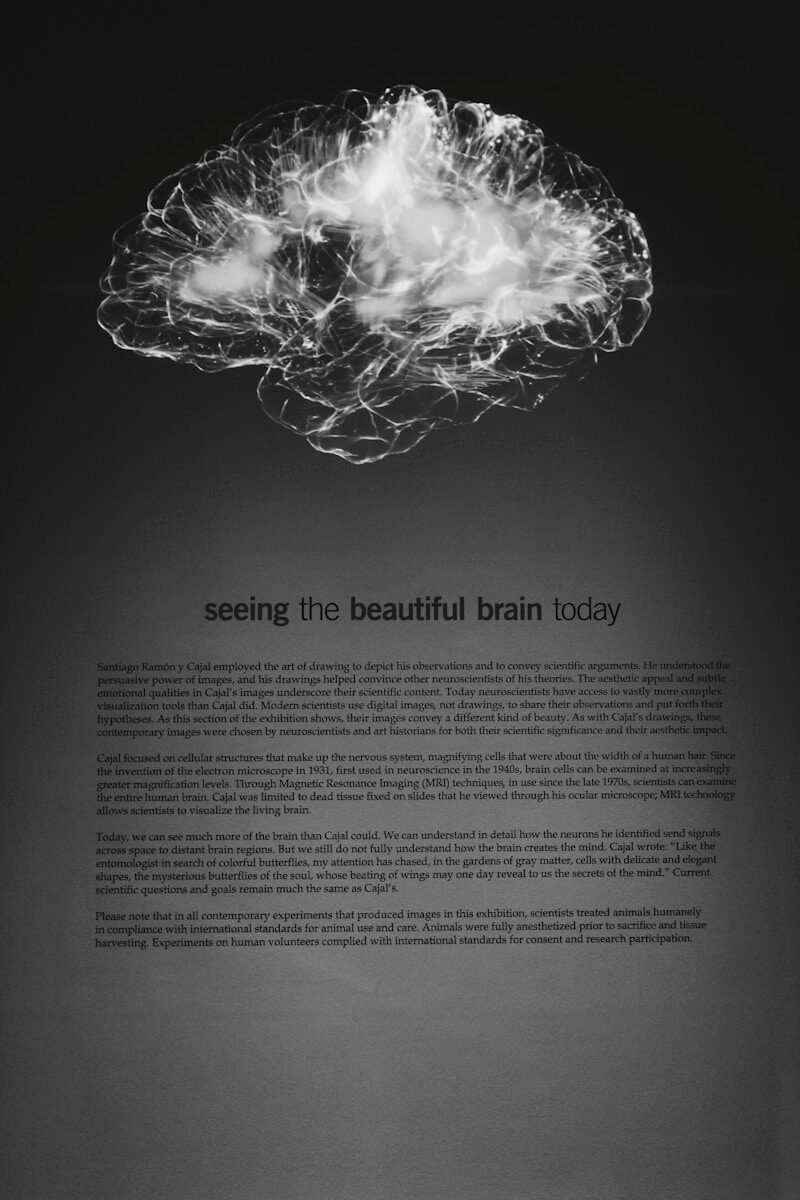
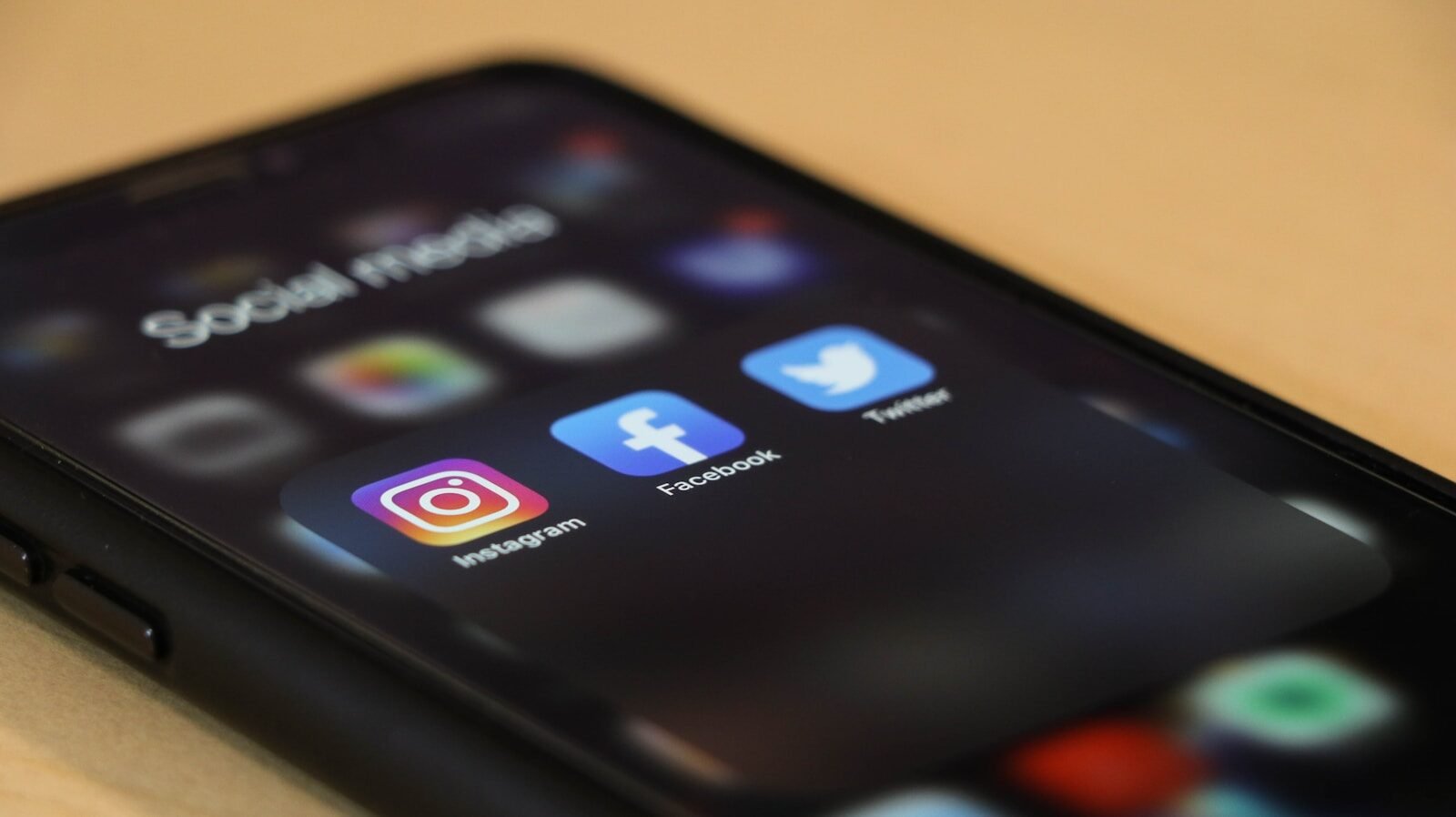
Because people tend to have repeated exposure to these systems, psychologists and neuroscientists are studying the effects of repeated exposures on mood, attentional processes, and perceptual processes. The American Psychological Association and World Health Organization also conduct research into behavioral patterns associated with digital environments as well as traditional stressors.
The relationship between social media use and mental health is not simply good or bad. The way that social media use affects an individual’s mental state will depend on how the person’s brain processes social signals, feedback, and attentional stimuli.
Social media platforms interact with human psychological systems that are naturally designed for communicating and learning. The subsequent sections discuss from a scientific perspective, the common experiences of being distracted by your smartphone; comparing yourself to others; and experiencing emotional upheavals from interactions occurring through social media.
Brain Reward System and Dopamine Cycles
Human motivation is based on prediction and reward. When a behavior results in a positive outcome, the brain identifies it as something to be repeated.
Social media sites provide frequent small rewards in the form of likes, comments, and new posts. Research in neuroscience, cited by Stanford University, explains how variable rewards enhance habit formation because the reward is unpredictable.
Variable Reinforcement Pattern
Unlike fixed rewards, unpredictable feedback promotes frequent checking. Each time the system is refreshed, there may or may not be new interactions. This keeps the user’s attention engaged.
The brain recognizes this as a learning opportunity, even when the reward is small. This pattern also occurs in other learning systems. When rewards are unpredictable, they promote greater engagement.
Habit Loop Formation
Social media notifications operate on this principle by distributing interactions irregularly. This causes short visits to take longer than expected. The mind keeps checking to see if new signals have emerged.
Over time, signals like vibration sounds or icons automatically trigger attention shifts. Reaction time becomes quicker than decision-making.
Attention and Cognitive Load
Attention requires continuous processing of one task at a time. Switching between subjects rapidly raises cognitive load because the mind constantly needs to reorient.
Sites that use short videos or messages promote rapid switching, which breaks focus. Studies cited by Harvard Health Publishing associate rapid switching with mental exhaustion even when activities are passive.
Rapid Context Switching
Every new message resets the context. The mind views it as a new situation to assess. This continuous resetting consumes mental resources, which are similar to those used in problem-solving exercises.
Over time, longer reading or thinking tasks feel more burdensome by comparison. Scrolling presents endless novelty. The mind analyzes faces, text, motion, and sound in seconds.
Working Memory Load
This variety holds interest but doesn’t allow in-depth analysis. Consequently, the mind becomes habituated to short cycles of engagement. Extended attention becomes surprisingly taxing.
Working memory is a temporary holding area for information during mental processing. When multiple inputs come in rapidly, older information is flushed out before processing.
Comparison and Self-Perception
People compare themselves in part by comparing others. The mind perceives these as typical experiences rather than selective showcases.
Selective Presentation Effect
This shifts the norms of what is perceived to be normal for lifestyle, productivity, or physical appearance. Content providers tend to post about meaningful events rather than mundane activities.
Viewers are exposed to a biased representation of reality. Over time, the biased representation becomes the expected norm. Personal experiences are then perceived as substandard by comparison.
Internal Evaluation Shift
Self-evaluation changes based on perceived group norms. Exposure to biased content shifts the norms gradually. This occurs automatically due to the reliance on observation in social learning.
The observer adjusts expectations without conscious comparison.
Sleep Disruption Mechanisms
Sleep is regulated by predictable biological cues. Light exposure and mental stimulation affect when the brain transitions into sleep mode.
Late-night browsing also keeps the mind’s processing systems engaged. Even passive viewing requires mental processing of images, language, and reactions.
Blue Light Signaling
This mental engagement prevents the natural slowing of cognitive processes typically associated with the transition to sleep. High-intensity displays delay this, pushing the body clock forward.
Emotional or novel information raises alertness. This extends alertness even in a quiet environment.
Social Connection vs Social Substitution
Social media allows people to connect despite geographical separation, but it also alters the manner of interaction. Researchers have used the terms complementary communication and substitution communication.
Complementary communication is used to enhance existing relationships, but substitution communication replaces actual physical interaction. Research by the University of Michigan suggests that the manner of emotional response differs depending on which type is more prevalent.
Perceived Presence
Short interactions can sustain familiarity, but they are devoid of tone, timing, and body language that accompany direct interaction. The brain automatically processes these in actual physical interaction.
Without them, the brain has to work harder to interpret them, making them more uncertain. Viewing text alone does not provide much emotional information.
Relationship Maintenance
The brain automatically fills in the blanks with assumptions, which can be very different. In actual physical conversation, facial expressions and pauses provide meaning.
Online communication does not provide these, which alters the manner of interpretation.
Algorithmic Content Exposure Effects
Social media platforms use recommendation algorithms to present content to users based on predicted interest. These algorithms are based on interaction patterns such as watch time, clicks, and reactions.
Google and Meta, technology companies, have explained that recommendation algorithms are tools that aim to increase relevance by giving priority to content similar to what was previously shown.
Reinforcement Through Repetition
From a psychological point of view, repeated exposure affects the perception of what is common or important. Because the feed is constantly adjusting, individuals do not often view a balanced sampling of information.
The issue arises from pattern recognition, not persuasion. As a natural function of human cognition, individuals estimate reality based on observable examples, and algorithmic filtering alters these examples.
Narrowed Exposure Range
When similar posts are presented repeatedly, familiarity breeds acceptance. The brain recognizes repeated ideas more quickly and accepts them as expected.
Personalized news feeds prevent accidental discovery of unrelated viewpoints. Variety in information presented decreases while perceived certainty increases.
Long-Term Habit Formation and Emotional Regulation
Repeated daily use over time causes social media interaction to become an automatic process. Descriptions of behavioral psychology, often cited by the American Psychological Association, describe habits as forming when behaviors are consistently followed by the same cues.
Opening an app when idle becomes a habitual response, rather than a consciously made choice. This habitual behavior affects emotional regulation.
Emotional Processing Patterns
Rather than naturally processing boredom, uncertainty, or waiting, the brain learns to substitute these experiences with constant stimulation. Over time, the tolerance for quiet moments decreases, as the habit provides constant stimulation.
The mind is highly trained to redirect attention but less so to maintain focus on one internal experience. This impacts the processing of emotional experiences over time.
Conclusion
Social media impacts mental health through interaction with natural psychological processes rather than a single source. Reward learning promotes repeated checking, rapid content switching affects attention, and selective exposure alters self-perception.
Sleep patterns, social interactions, and information flow also impact emotional experience. Algorithms and habit development influence expectations and responses over time. These processes collectively explain the experience of social media as engaging, exhausting, supportive, or overwhelming based on the interpretation of repeated cues by the brain in digital environments.