
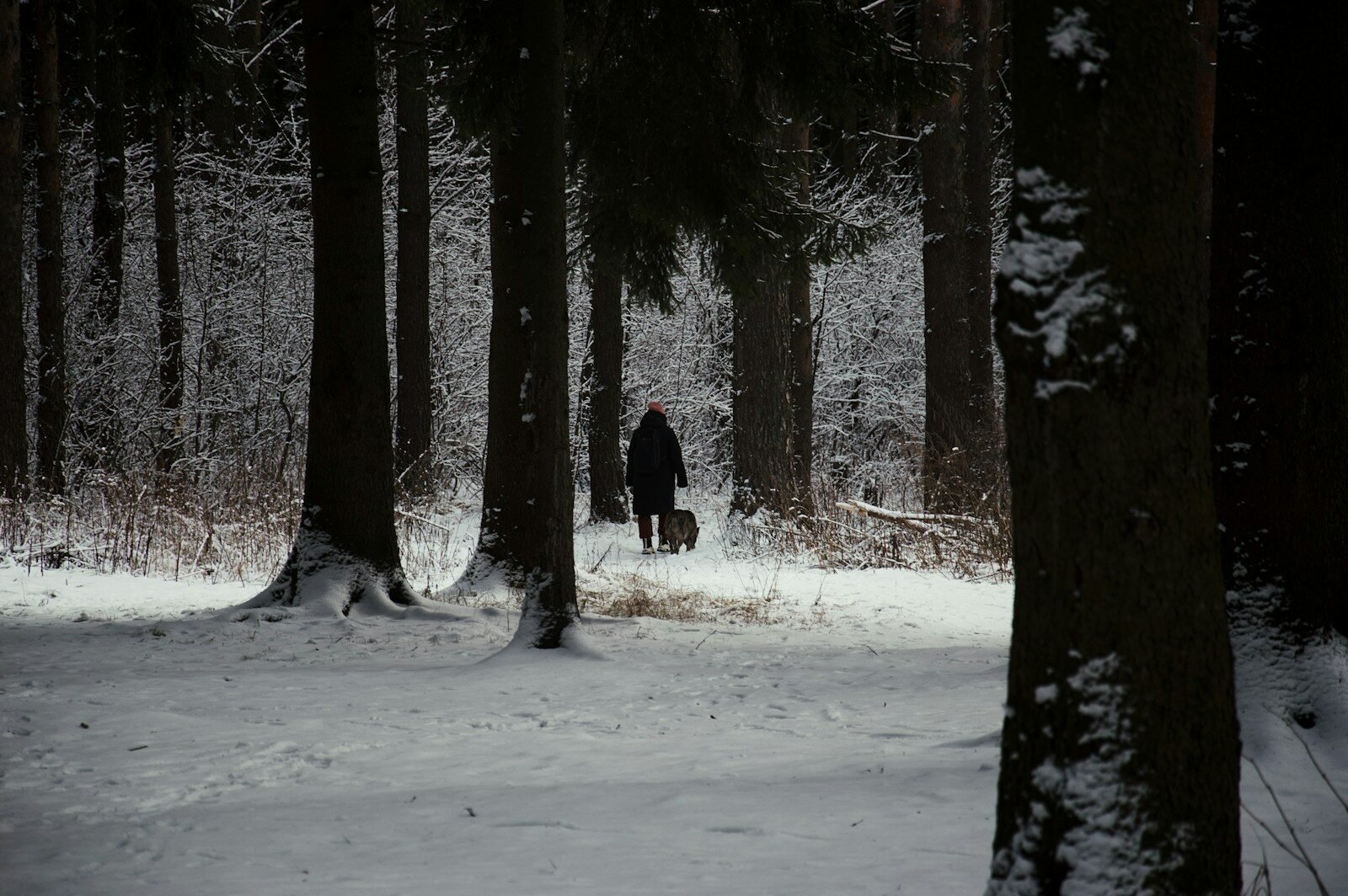
In silent walking, attention gradually moves from outer to inner experience. When they are brought under attention instead, they weaken and move faster.
This technique does not involve stopping thinking. Rather, attention recognizes the point at which a thought arises and recognizes it as a fleeting phenomenon. Over time, this observation of thoughts changes the dynamic between attention and mental events, creating a buffer between perception and response.
Noticing Thought Patterns
Some patterns tend to repeat themselves quite often, such as self-evaluation or outcome prediction. The mind gradually spends less time engaged in internal storytelling. The walks become quieter in the mind because attention stays with the immediate experience of walking rather than with internal scenarios.
The experience of walking offers a solid anchor in time. This prevents the mind from engaging in extended chains of thinking. Consistent redirection helps to build consistency.
Sensory Anchoring
The senses offer a steady stream of information that helps to keep attention anchored in walking. Rather than focusing on the internal experience, attention turns to sound, temperature, and visual data. This helps to expand attention and release internal tension generated by constant thinking.
Environmental details vary in a natural way as one moves. Wind speed, ground texture, and distant noises provide natural focal points without requiring effort. These details help to keep attention balanced between inner and outer awareness.
Listening Without Interpretation
Sounds are noticed as raw vibrations rather than as named events. Footsteps, distant traffic, or birdsong become part of the experience without immediate interpretation. This helps to prevent the mind from telling stories about what is heard.
Noticing sound as it exists without interpretation helps to stabilize attention.
Visual Observation
Observation of shapes and colors without naming objects changes the way one sees. Instead of naming everything, attention focuses on movement and color variation. This makes the experience simpler and less prone to mental commentary.
Gradually, observation becomes a continuous process rather than a selective one. The environment becomes clearer because it is not filtered through constant interpretation.
Working with Distraction
Instead of fighting distraction, the process involves noticing it directly. Awareness observes the moment attention wanders away from the walking rhythm and notes the change without interpretation.
Dealing with Physical Restlessness
The body will naturally adjust once it is observed. Noticing tension in the shoulders or hands results in relaxation without forcing the body into stillness.
Managing Mental Interruptions
Dominant thoughts will temporarily command attention. Once observed, they are acknowledged as background noise rather than something to be solved. This helps avoid prolonged interaction with internal dialogue.
Each mental interruption is incorporated into the practice. Returning to walking repeatedly reinforces the development of stability even in busy environments.
Building Consistency
Frequent and brief periods of practice make it easier to remember than practicing for long periods sporadically. Daily environments also offer diverse sensory experiences. Familiar routes enable attention to transition from navigating to observing, while new routes automatically increase awareness.
With time, the line between practice and daily activity becomes less distinct since the same state of awareness is experienced in different contexts.
Walking in Busy Environments
Busy environments offer unpredictable noise and motion. Rather than avoiding them, attention is focused on the changing rhythm and motion while sustaining consistent breathing and walking awareness. Activity in the external environment becomes part of the experience rather than an interruption.
This strategy avoids prolonged mental analysis of the environment. Walking continues in a smooth, consistent motion even in a dynamic environment, increasing stability in attention.
Using Short Intervals
Short walks during transitions between activities help ensure continuity of awareness. Even a minute of mindful walking helps to reset scattered awareness following intense activity. The repetition helps to familiarize with the state of observation.
It is consistency that matters more than duration.
Effects on Mental Processing
This leads to a smooth mental flow that extends well beyond the walking exercise. Change occurs gradually, rather than suddenly. The practice affects the perception of regular events, making everyday experiences feel less hasty and more defined.
Awareness starts to pick out patterns before they become overwhelming.
Stability of Attention
Regular observation helps to improve focus. The mind quickly returns to the present sensation following distraction. With time, attention stays continuous for longer periods without straining.
This stability carries over into other activities, such as reading or talking. Awareness switches less often, allowing for greater immersion in activities.
Emotional Balance
Emotions are directly observed without immediate reaction. Rather than constructing narratives around emotions, they are observed as shifting sensations. This helps to cut down on mental repetition of events.
This leads to a balanced reaction to events. Reactions become tempered since observation takes place before reaction.
Conclusion
The silent walking technique focuses on being aware of the process of walking. The technique involves observing steps, feelings, and thoughts without reacting to them. The technique does not eliminate thinking but alters the way one relates to it. It enables one to let thoughts and feelings go by.
The integration of the technique into daily activities improves consistency because the technique does not require any special conditions. In the long run, the technique becomes effective because of repeated observation, which enhances consistent attention and perception of experiences.
The technique becomes simple because it only involves movement and awareness. In the long run, walking becomes more than just a means of transport because it becomes a means of observing mental activities.